Welcome to visit our factory
Email : info@huasuicrane.com


Many companies focus tightly on the bottom line of equipment quotes when signing procurement contracts. However, they ignore the core metric deciding long-term profits: the gantry crane life cycle cost (LCC). As crane industry experts, we see many seemingly “cheap” machines. After two or three years, high electricity bills and rail wear occur. Frequent downtime and part replacements create massive hidden costs. These late expenses far exceed the saved initial budget.
A gantry crane is never a disposable item. It is a heavy production engine serving your workshop or yard for 15 to 30 years. When reviewing this 30-year ledger, hidden traps appear. Every unplanned overhaul and extra kilowatt-hour costs money. Even a half-day shutdown causes costly delivery delays. This article helps you escape the “low price only” trap. We break down cost structures using a scientific calculation model. This helps you choose truly cost-effective equipment.
[Expert Advice] Are you deciding on your next crane?
Do not wait until operating costs spiral out of control. The small initial savings disappear into doubled maintenance bills. HSCRANE now offers a free Gantry Crane Life Cycle Cost (LCC) Evaluation Program. We provide equipment and analyze your specific working conditions. We accurately calculate your total expenses for the next 20 years. This avoids financial black holes from the very start.
[Click here to contact us now for your exclusive LCC report]
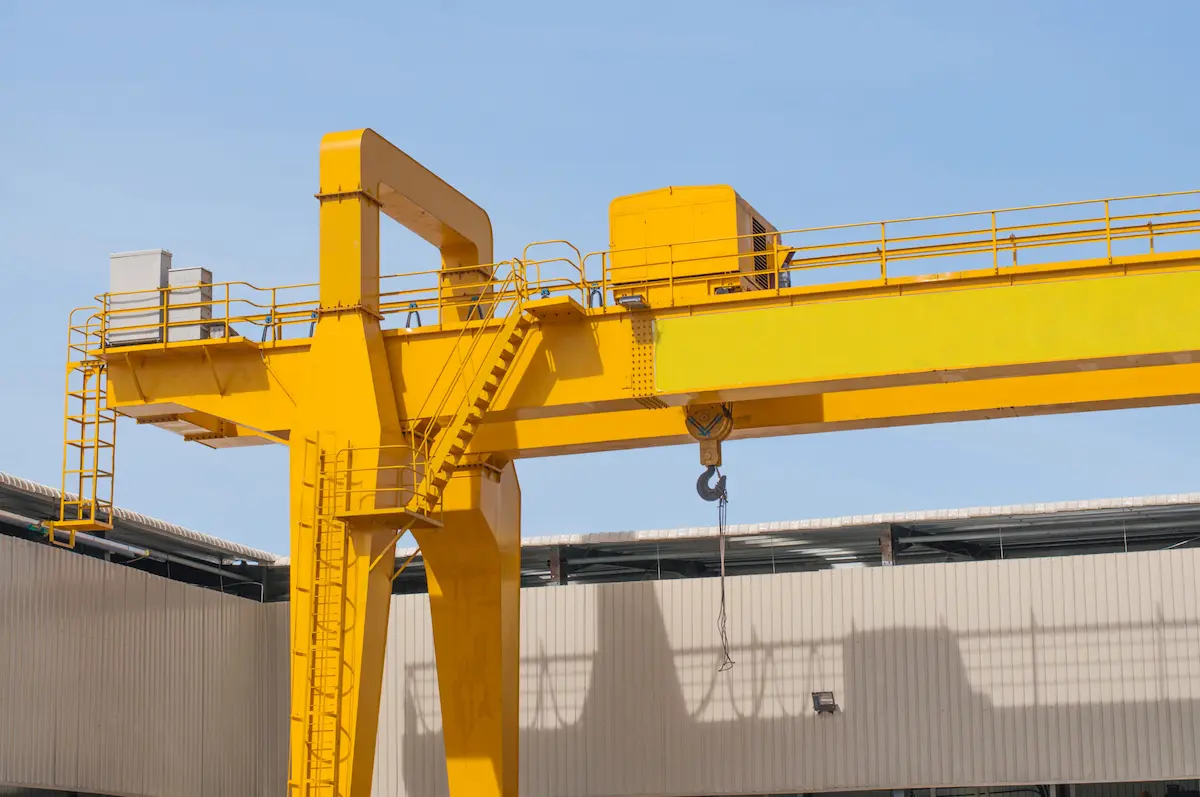
In traditional procurement, people usually focus on the equipment quotation. However, buying a gantry crane is just the beginning. Gantry crane life cycle cost (LCC) means the total cost of ownership. It includes all direct and indirect expenses from purchase to final disposal.
In the industry, buying a crane is like buying a car. The purchase price is just the initial entry barrier. Decades of fuel, maintenance, insurance, and repairs are the real costs.
To show the differences clearly, look at the table below:
|
Comparison Dimension |
Traditional Purchase Price |
Gantry Crane Life Cycle Cost (LCC) |
|
Focus |
Focuses only on the immediate purchase cost. |
Focuses on total expenses across purchase, use, repair, modification, and disposal. |
|
Formula |
Factory price + freight |
Purchase + installation + energy + maintenance + downtime loss + modification – residual value |
|
Blind Spots |
Easily attracted by low prices, ignoring endless future spending. |
Initial investment may be higher, but it targets the lowest 20-year total. |
|
Impact on Profit |
Reduces upfront asset investment but may consume operating profits later. |
Locks in operating costs for 20 years, increasing financial certainty. |
Modern industrial manufacturing profits come from efficient management. Previously, wealthy companies bought the cheapest option. Consequently, equipment suffered frequent rail wear and motor burnouts. A single day of downtime exceeded the initial price savings.
Now, buyers are wiser. Decisions are no longer made blindly by procurement departments based on total price. Finance, production, and equipment teams work together. They use LCC models to find the most cost-effective option. It might not be the cheapest to buy, but it saves the most money.
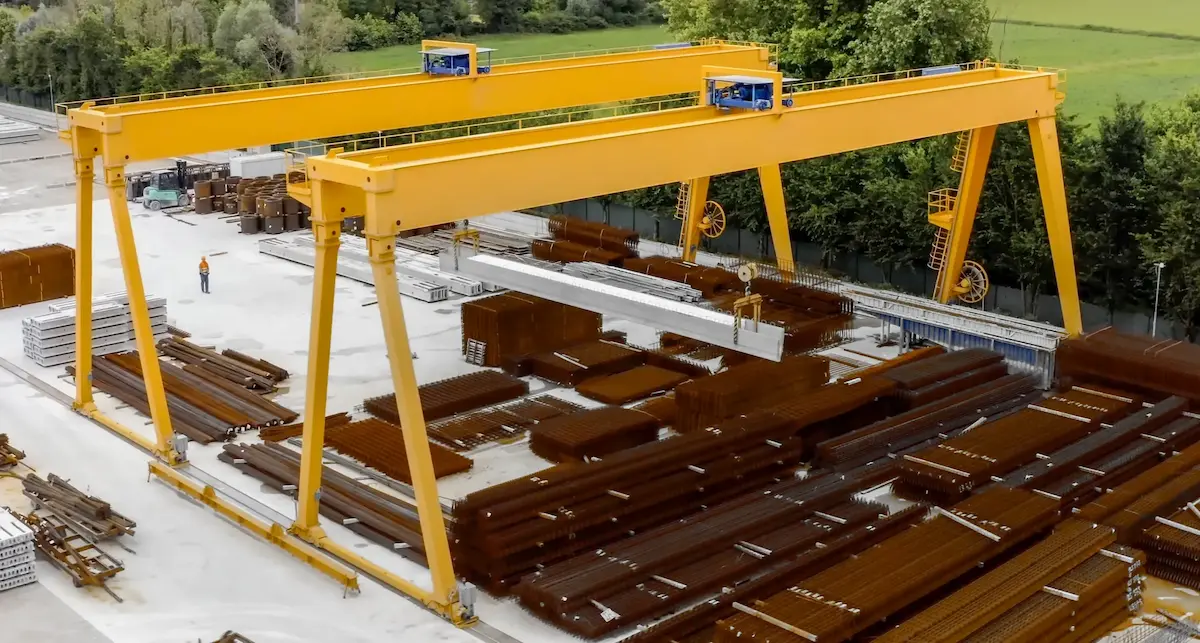
A gantry crane is heavy infrastructure, not a fast-moving consumer good. Without LCC analysis, financial budgets will likely spiral out of control. This happens due to the following four reasons:
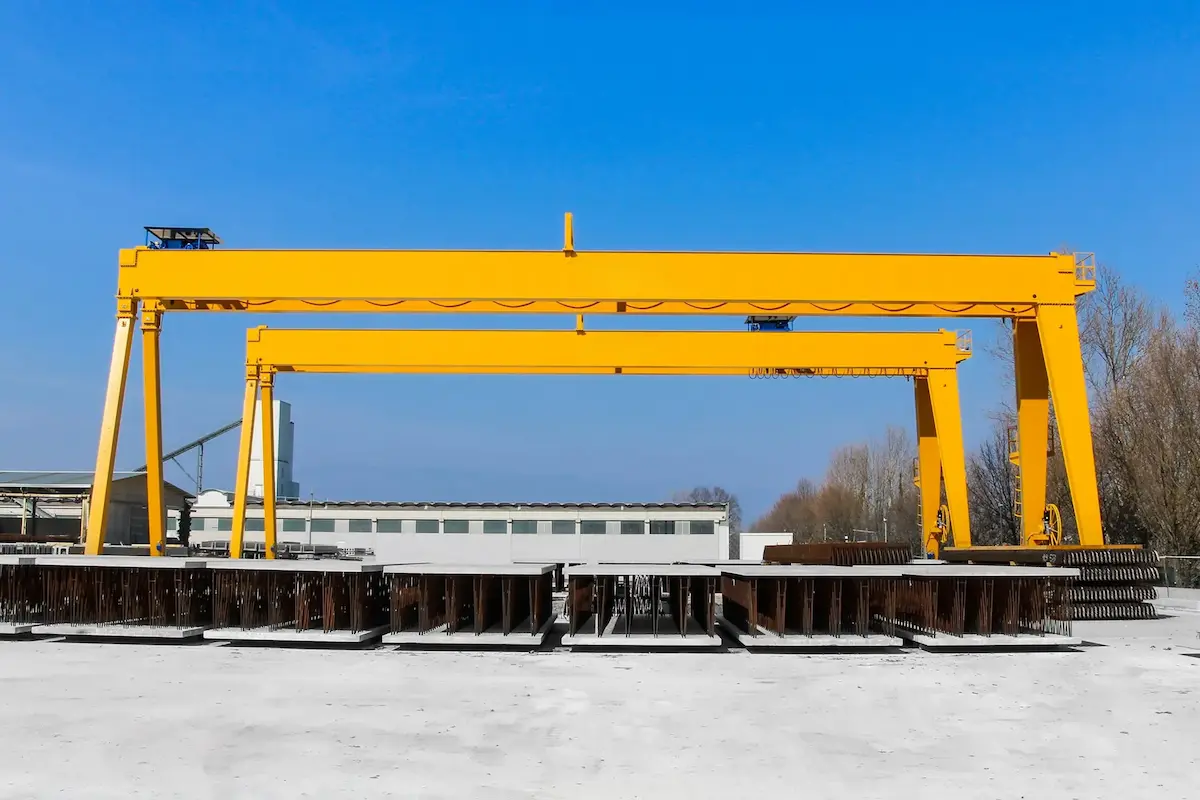
To calculate the gantry crane life cycle cost properly, no spending step can be missed. A standard LCC model consists of seven core sections:
|
Cost Item |
Specific Content Included |
Why Is It Key to Controlling LCC? |
|
Initial Purchase Cost |
Purchase costs for steel structures, trolley mechanisms, control systems, and safety devices. |
It is a visible expense. However, it usually accounts for only one-third of total costs. |
|
Installation and Commissioning Cost |
Costs include track laying, foundation reinforcement, lifting, power testing, and government inspections. |
Poor installation causes wheel wear later. This makes maintenance costs soar. |
|
Energy Consumption Cost |
Daily high-frequency operations consume electricity. This includes power for hoisting, bridge, and trolley motors. |
Traditional cranes use massive energy. Inverters and lightweight equipment save power directly. |
|
Maintenance and Repair Cost |
Costs cover routine inspections and oil changes. It includes parts and labor for wear items. |
Good preventive maintenance cuts major overhauls. It reduces sudden failure rates by 80%. |
|
Downtime Loss Cost |
Breakdowns cause production halts and idle workers. They lead to indirect losses like delivery breaches. |
This is the most destructive hidden killer in LCC. Procurement often ignores it. |
|
Upgrade and Modification Cost |
Future process changes may require smart upgrades. These include remote controls or anti-sway features. |
Modular designs with good scalability save money. They eliminate expensive major modifications later. |
|
Disposal and Dismantling Cost |
Costs cover safe dismantling and waste removal. This amount minus the scrap metal residual value. |
High-quality steel and structures retain higher residual values during disposal. |
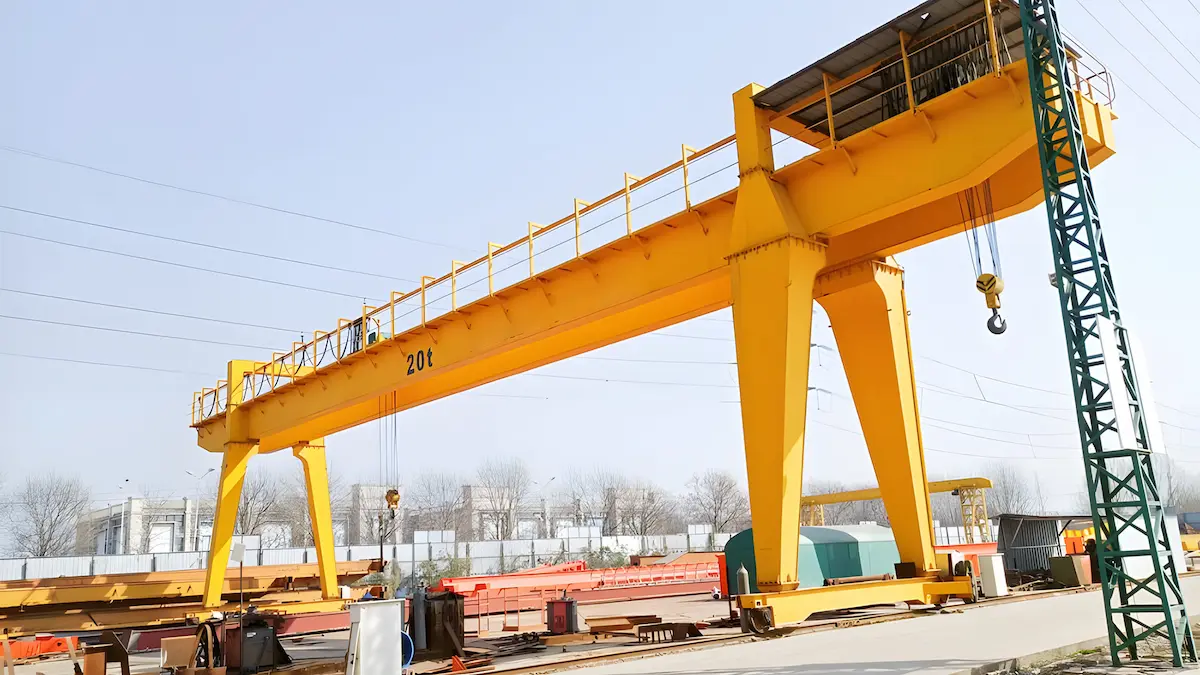
Dry theories cannot persuade bosses or finance departments during procurement meetings. You need a solid calculation logic. Truly knowledgeable buyers create an LCC calculation sheet before purchasing.
The gantry crane life cycle cost is not complicated. The key is to avoid missing any items. Its core calculation formula is as follows:
LCC = Initial Purchase Cost + Operating Cost + Maintenance Cost + Downtime Loss Cost + Upgrade Cost + Disposal Cost – Residual Value
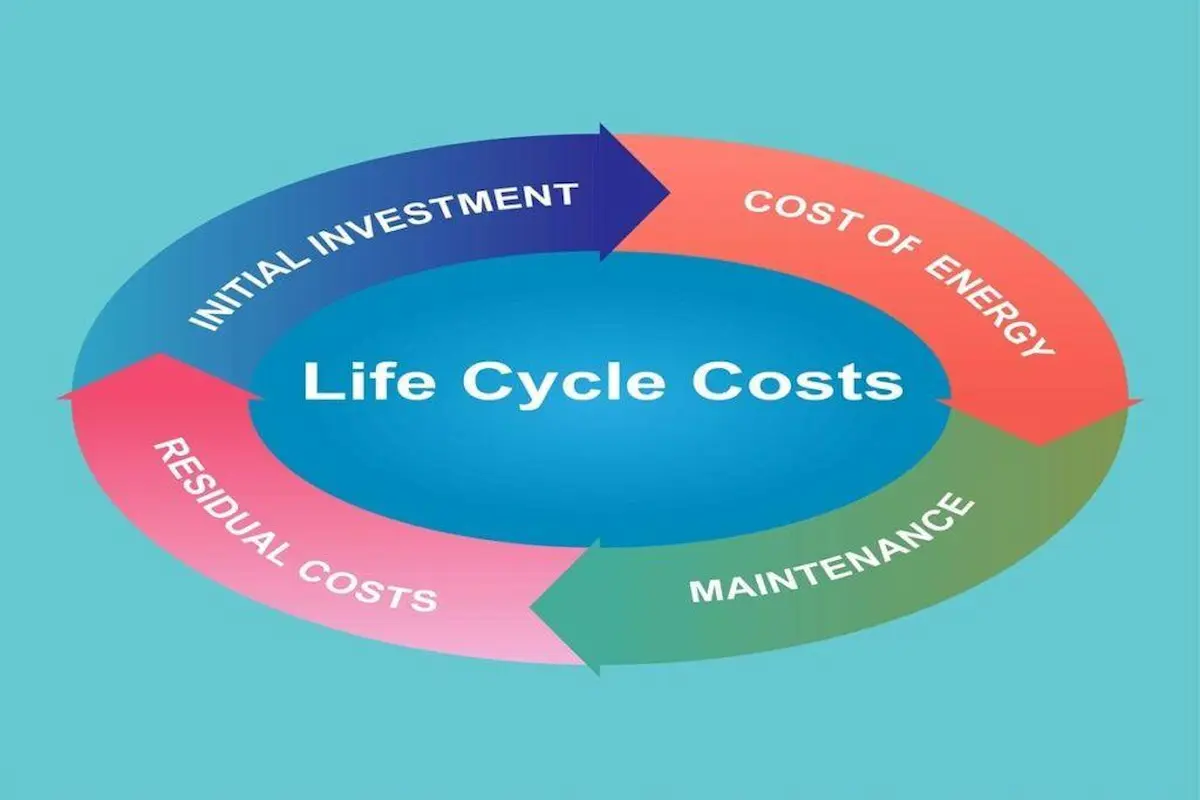
To give you a direct impression, we retrieved real expense data. This is from a 10-ton double girder gantry crane in a metal factory. Its working class is A5 with a 15-year service life. We obtained the following cost composition ratios:
|
Cost Item |
Percentage in LCC |
Expenditure Characteristics |
|
Initial Purchase Cost |
35% |
A one-time expense, highly sensitive on the books. |
|
Energy Consumption Cost |
20% |
A boiling frog effect, occurring every single day. |
|
Maintenance and Repair Cost |
18% |
Wire rope changes, lubrication, and aging electrical component replacements. |
|
Downtime Loss Cost |
15% |
A hidden killer. Crane downtime causes line stoppages and penalty fees. |
|
Upgrade and Modification Cost |
7% |
Later installation of remote controls or anti-collision systems. |
|
Disposal and Others |
5% |
Dismantling and removal fees, minus scrap steel residual value. |
Conclusion: During a crane’s life, the purchase price is only about one-third of total costs. This means you might choose inferior equipment to save a 10% budget. Later, you may use 65% of operating costs to fill this financial hole.
[Expert Advice]
Comparing only equipment quotes may cost companies hundreds of thousands later. HSCRANE provides free LCC reports based on your actual workshop conditions. We help you calculate this upfront to choose a truly cost-effective crane.
[Click to contact the HSCRANE professional technical team]
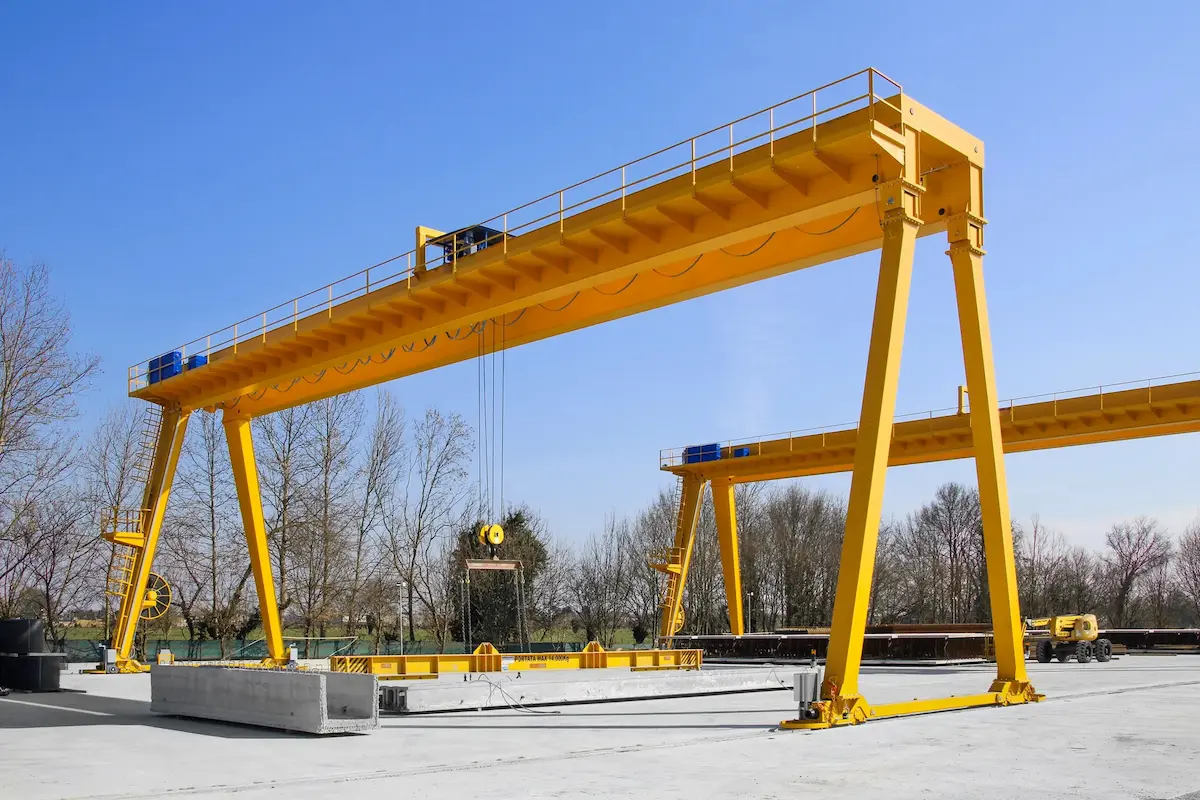
A crane is not a blind box. Its lifespan and expenses are highly traceable. To reduce LCC from the source, focus on these five core factors:
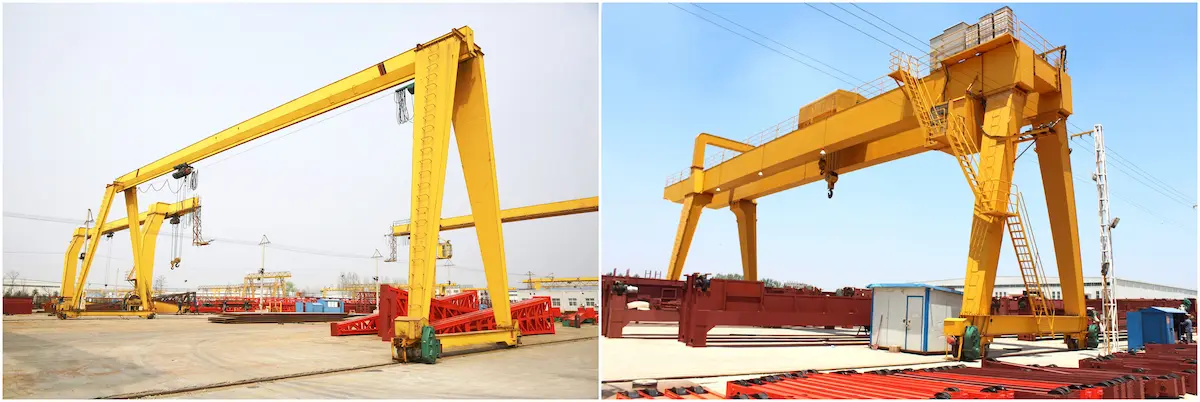
The structure determines the equipment’s foundation.
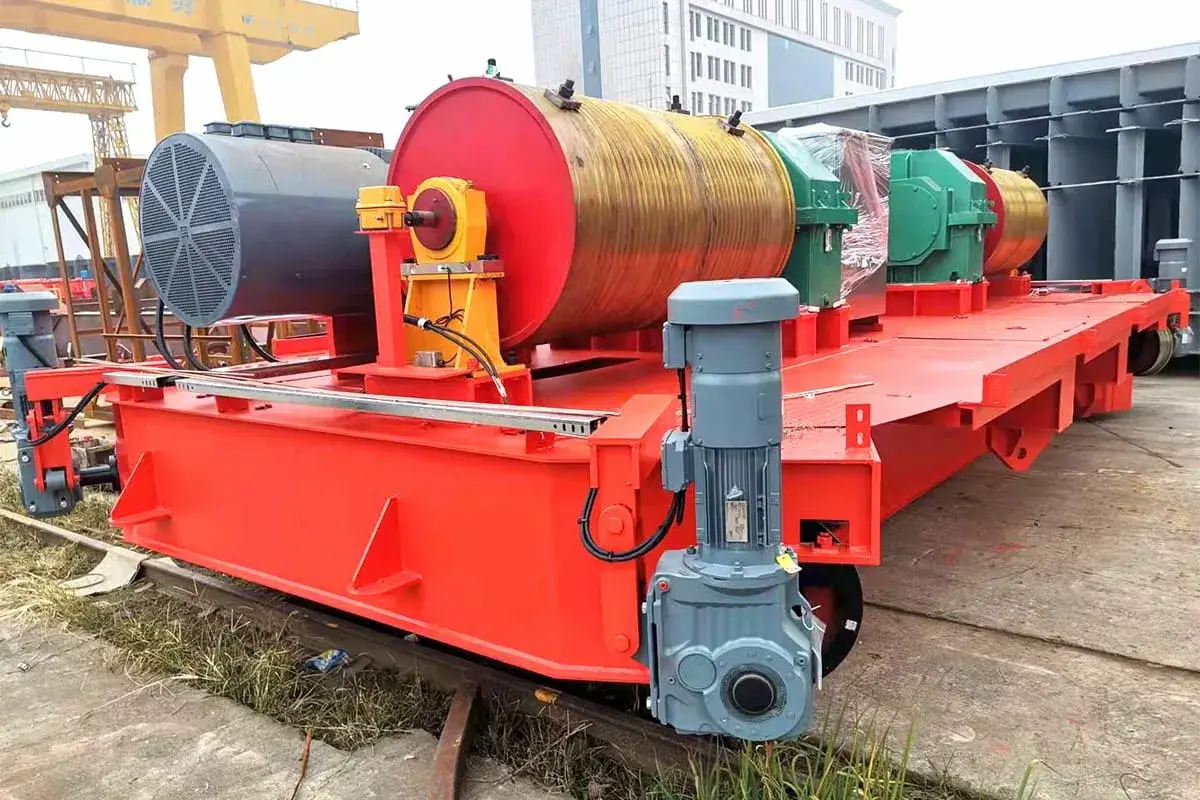
This is the crane’s heart. It directly decides 20% of energy costs.
Buying a crane taboos overloading small equipment. If the class is too low, it overloads daily. The equipment will break down constantly. If chosen too high, excess performance wastes funds. Only exact matching optimizes the LCC.
|
Working Class |
Applicable Scenarios |
Fatal LCC Impact if Chosen Wrong |
|
A3-A4 |
Light duty: machining assembly workshops, pump rooms for occasional lifting. |
If used frequently, motors overheat and burn out often. Steel structures easily suffer fatigue cracking. Maintenance and downtime costs soar. |
|
A5-A6 |
Medium/Heavy duty: regular manufacturing, precast plants, busy freight yards. |
The most mainstream choice. If replacing with A3, initial savings vanish. Overhaul costs in year four easily exceed savings. |
|
A7-A8 |
Extra Heavy duty: steel mills, incinerators, 24-hour continuous ports. |
Heavy investment is required. If downgraded, equipment may completely fail within six months. This causes devastating downtime losses. |
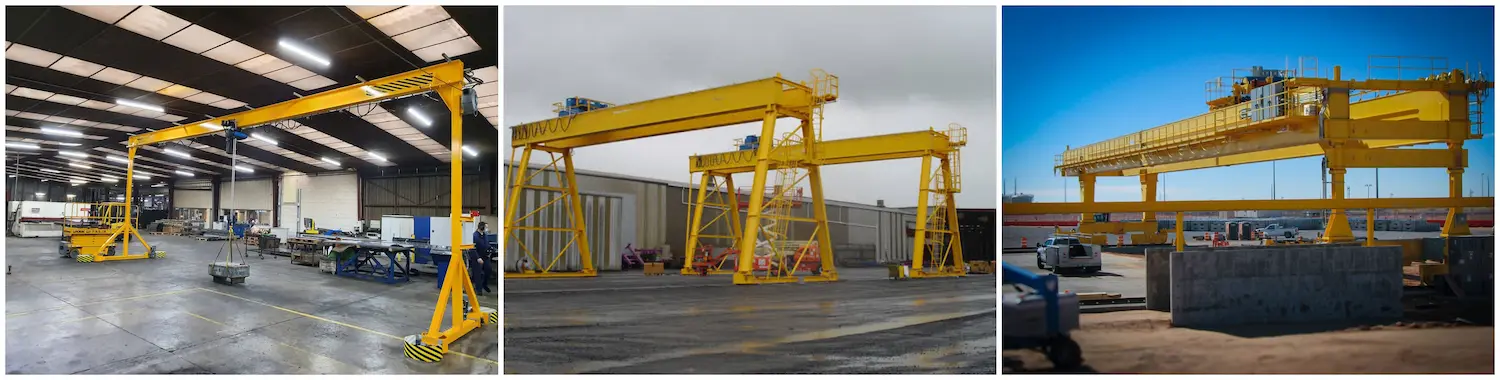
Harsh environments accelerate crane aging. If environmental factors are ignored, maintenance costs will multiply:
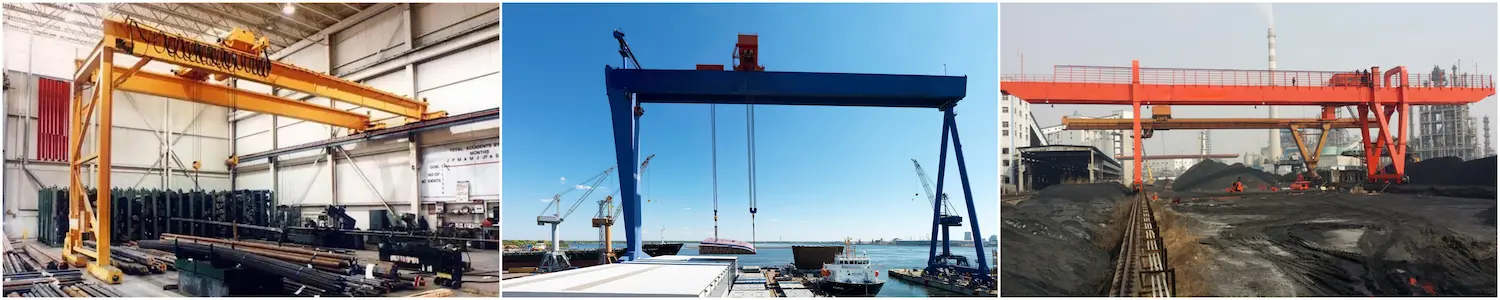
Downtime losses account for 15% of the LCC. Their scale depends on the manufacturer’s after-sales response speed.
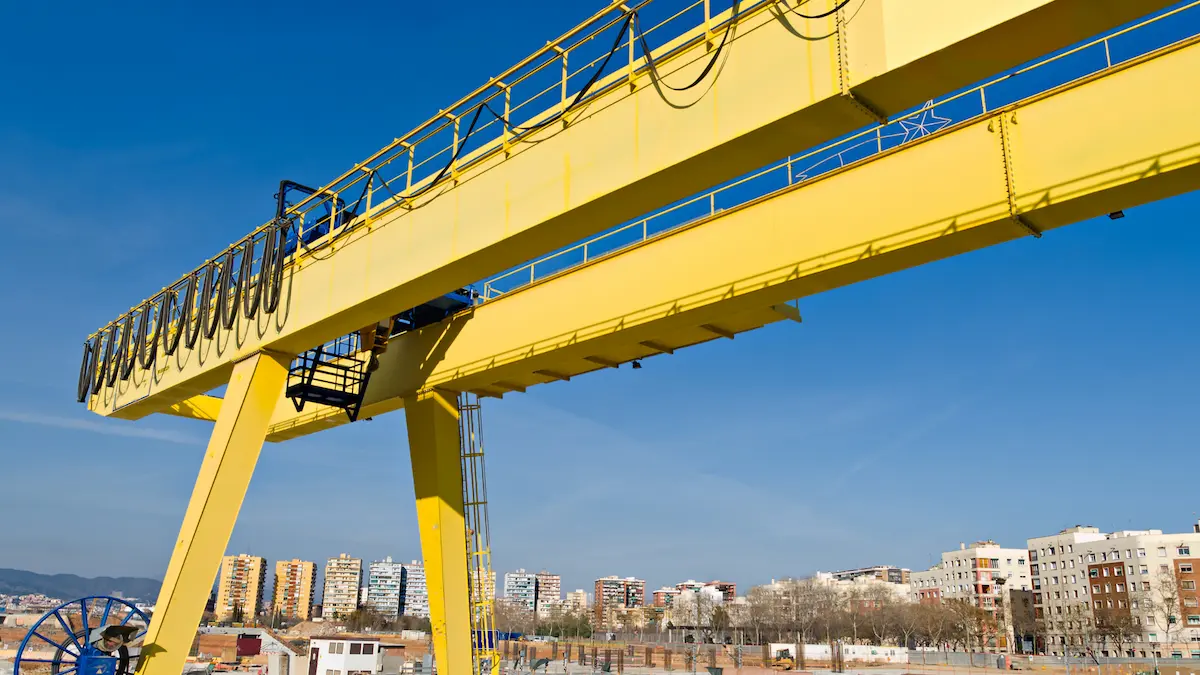
You do not want workshop equipment becoming a money pit. Companies must hold these defense lines during procurement and operation:
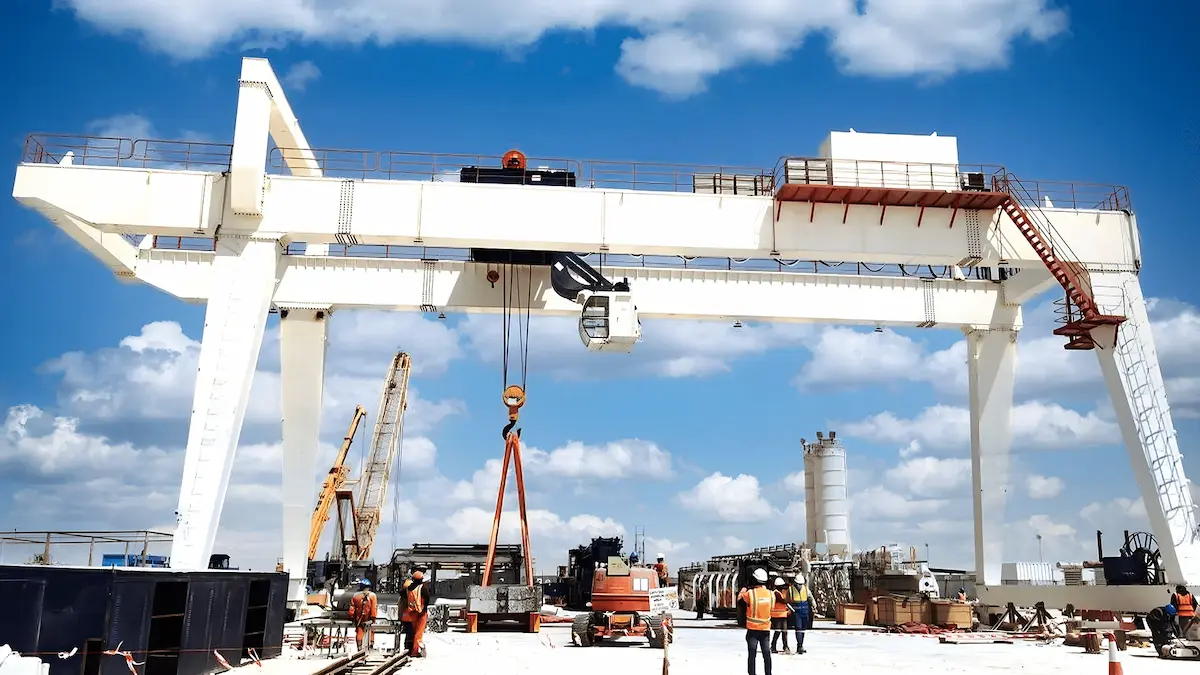
HSCRANE never joins low-price wars that sacrifice quality. We use strict international standards to lock your future operating costs.
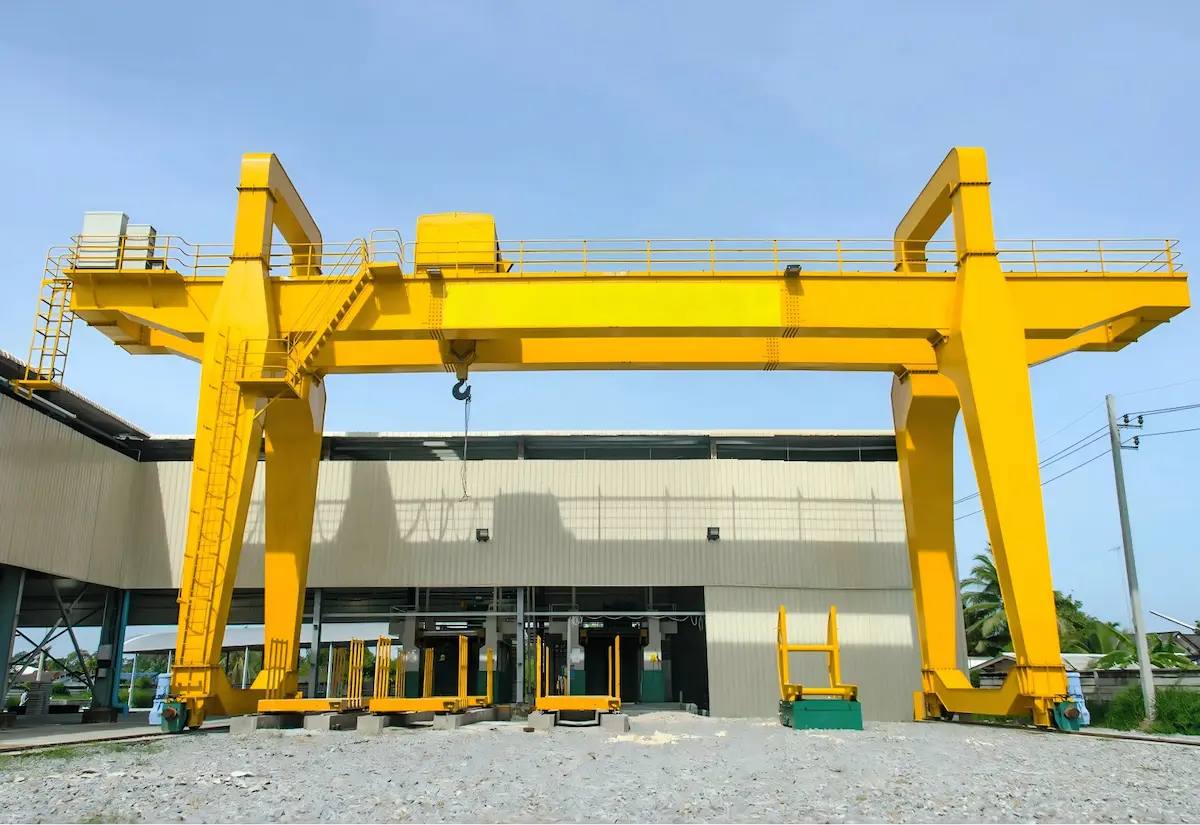
To show how the LCC concept works directly, let’s look at a real project in Southeast Asia.
V-Steel, a leading Vietnamese heavy steel group, built a new bridge component base near Ho Chi Minh City. They planned to buy two 32-ton double girder gantry cranes for their open-air assembly yard. The local area has year-round high temperatures and humidity. The equipment requires long-term high-intensity steel plate turning and assembly. The client worried about high initial investments. They also hoped to avoid late maintenance costs and downtime losses.
Addressing client needs, HSCRANE conducted a gantry crane life cycle cost (LCC) analysis. We compared total ownership costs of low-price and high-quality plans for the next 15 years. We configured full inverter energy-saving systems and highly reliable electrical components. We also provided customized preventive maintenance plans for the project.
Over three years of operation, the equipment withstood Vietnamese rainy seasons and heavy operations. It achieved significant economic benefits:
This project proves a key point for long-term high-load operations. Choosing high-quality gantry cranes and conducting LCC analysis brings more economic value. It is far better than simply pursuing low purchase prices.
Purchasing a gantry crane is never just about the contract’s book value. It is about stable output and cost control over decades. That seemingly cost-effective low quote is often a disguise. It hides high future maintenance, electricity, and downtime costs. Truly mature procurement decisions must escape the price-only trap. Introducing LCC analysis prevents financial overruns. It is also a touchstone for lean enterprise management. Choosing the right equipment locks in profit margins for twenty years.
Are you ready to budget carefully for your next crane project?
Reject blind purchasing by calculating the first bill clearly. Contact the HSCRANE engineering expert team right now. We provide highly competitive hardcore equipment. We combine your layout, frequency, and environment. Then, we issue a free exclusive gantry crane life cycle cost forecast report.
[Contact us now to get free LCC calculations and customized solutions]
Further Reading: What are the differences between single and double girder gantry cranes?
The gantry crane structure choice directly affects the LCC. What are the key differences in investment, maintenance, and operating costs?
Click to read: “Single Girder vs Double Girder Gantry Cranes: Key Differences and Application Scenarios“
Q: LCC analysis sounds complex, does it suit all gantry crane purchases?
A: Actually, LCC analysis works best for high-frequency or large-tonnage equipment. The value preservation and enhancement effects are more obvious here. Even for small equipment, special scenarios require it. Outdoor, high-temperature, or dusty environments need early LCC calculations. This helps you avoid sky-high maintenance costs later.
Q: Since LCC is important, must I buy the most expensive crane?
A: Absolutely not. LCC logic seeks the lowest 20-year total cost. It does not mean blindly stacking high-end configurations. HSCRANE precisely matches your real working class and conditions. We reject budget waste from excess performance. We also prevent high-frequency failures from overloading small equipment. The most suitable choice saves the most money.
Q: Does LCC calculation need highly detailed confidential financial data?
A: No, you do not need to provide any core financial privacy. For an accurate LCC report, tell our engineers three basic facts:
Q: How long does getting a customized LCC evaluation report take?
A: Very fast. After collecting your basic needs, our team takes 1-2 days. We provide a complete report with detailed data and intuitive charts. We will never delay your internal procurement approval process.
This document is for reference only. Specific operations must strictly comply with local laws and regulations and equipment manuals.