Welcome to visit our factory
Email : info@huasuicrane.com

High humidity, acid-base mist, and pulp dust are common enemies of metal equipment. This happens in the production workshop of a paper mill year-round. We have seen too many cases. People use general crane configurations to save trouble. Within two years, reducer shells rust, and electrical cabinets alarm frequently. Maintenance costs become an unavoidable burden. Buying a suitable paper mill overhead crane isn’t just about reading data sheets. It requires checking its pressure resistance in harsh conditions.
This selection guide avoids listing obscure official definitions. We focus on real conditions in the paper industry. We help you avoid selection pitfalls. For example, why upgrade corrosion protection to C4 or C5 in some areas? Why do ordinary wire ropes fail here? And which key configurations truly reduce your later maintenance anxiety? HSCRANE has practical experience in many paper projects. We compiled advice on selection, design, anti-corrosion, and maintenance. We hope to save you money and ensure stable, lasting use.
Are you struggling to choose lifting equipment for your paper mill?
HSCRANE refuses one-size-fits-all standard products. We know the harsh demands of every inch in a paper mill. We offer deep anti-corrosion customization for hot, wet environments. We also provide frequency drive systems for high-intensity cycles. We can match solutions to your actual plant conditions.
[Click here: Contact the HSCRANE technical team]
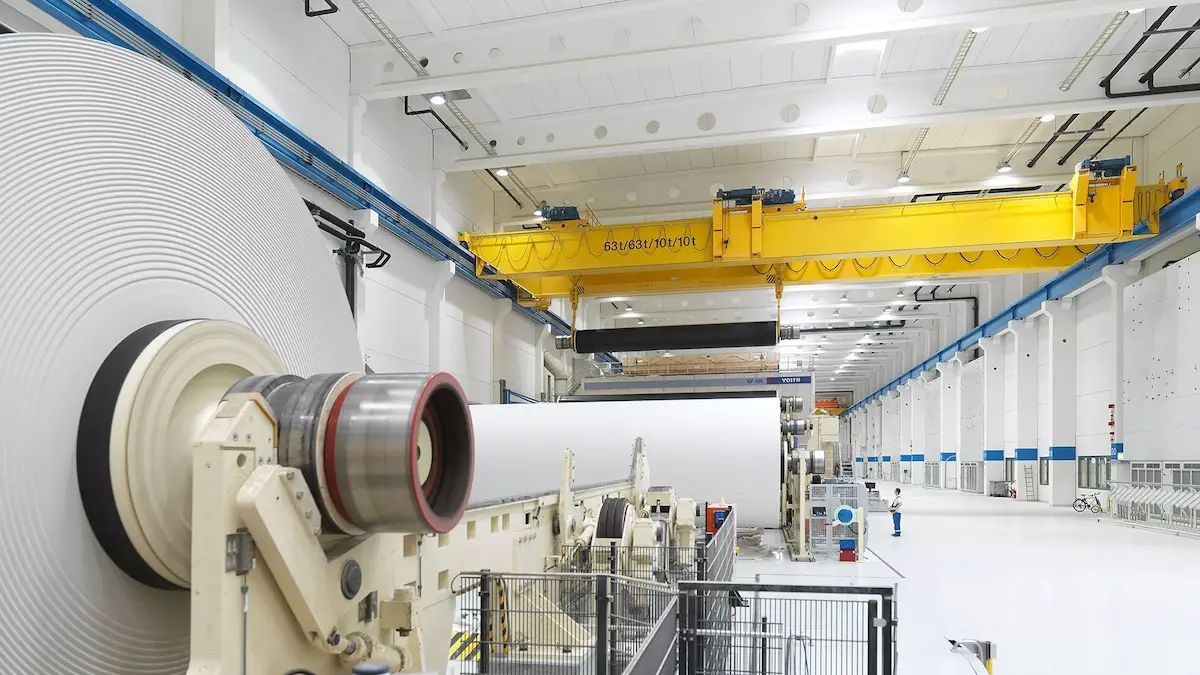
Many clients buy cranes using standards for regular machining plants initially. They often regret it one year after starting production. Frankly, the paper mill environment is a survival challenge for metal equipment. Applying normal standards to paper industry lifting equipment simply fails.
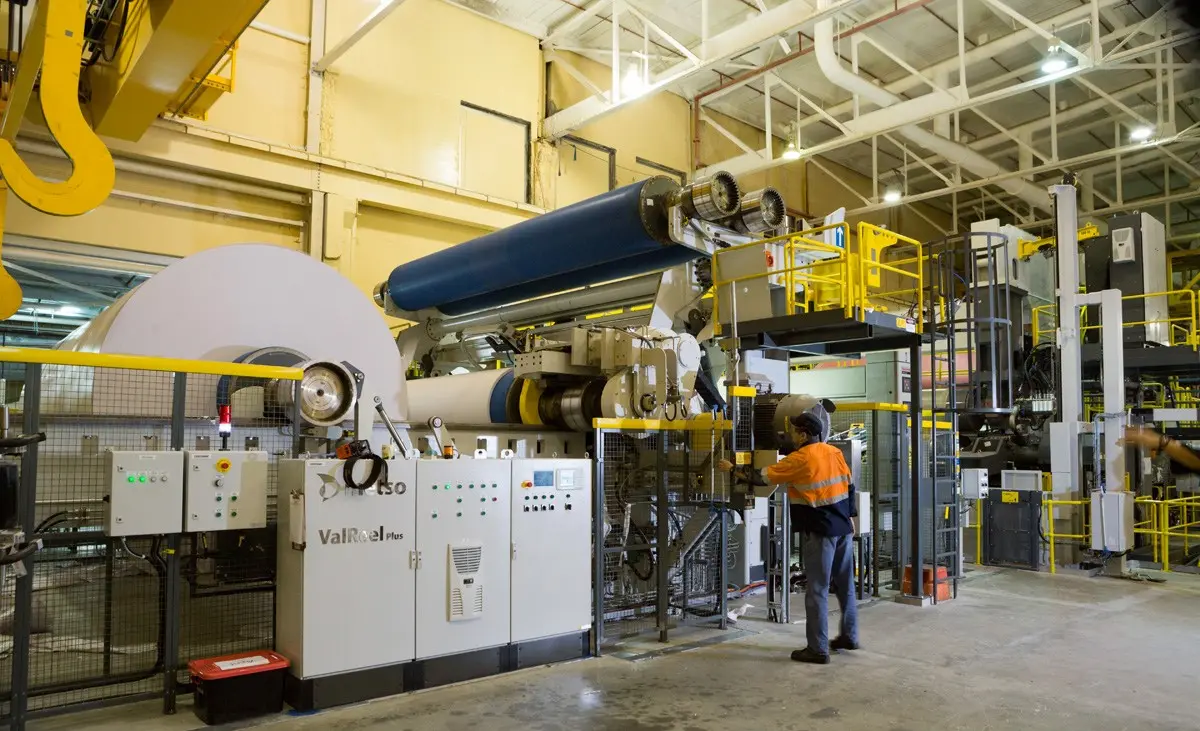
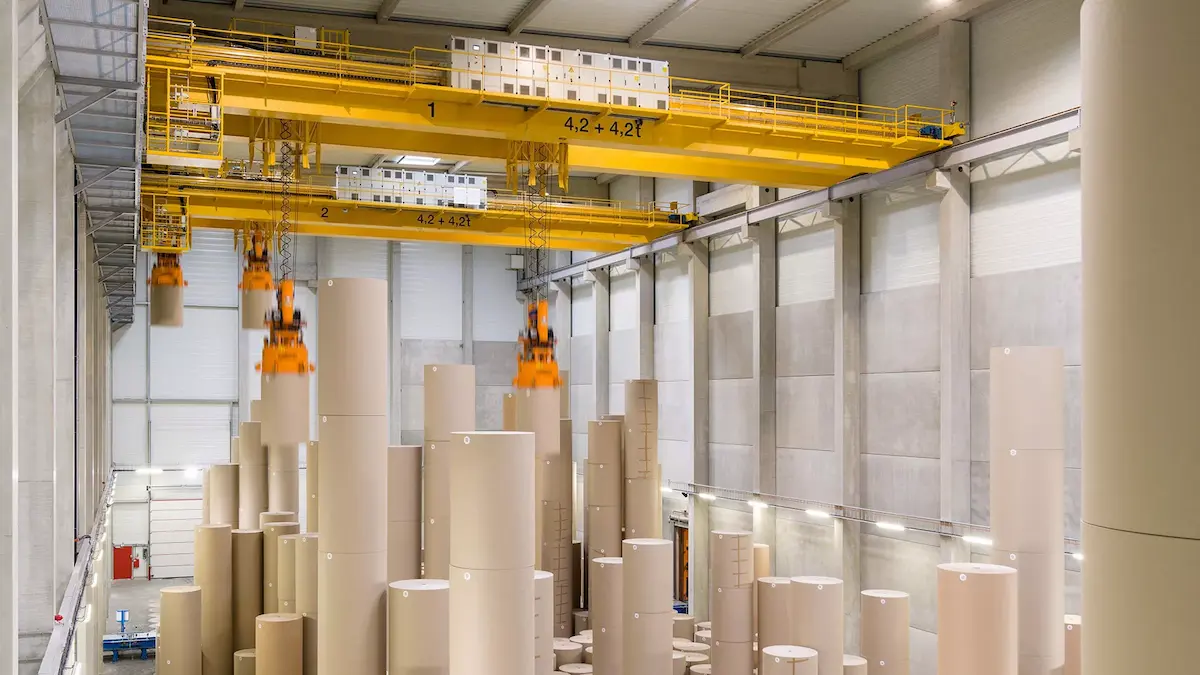
A paper mill overhead crane plays different roles in production. The most common field conditions fall into these categories:
|
Production Stage |
Typical Lifting Objects |
Condition Pain Points and Crane Requirements |
|
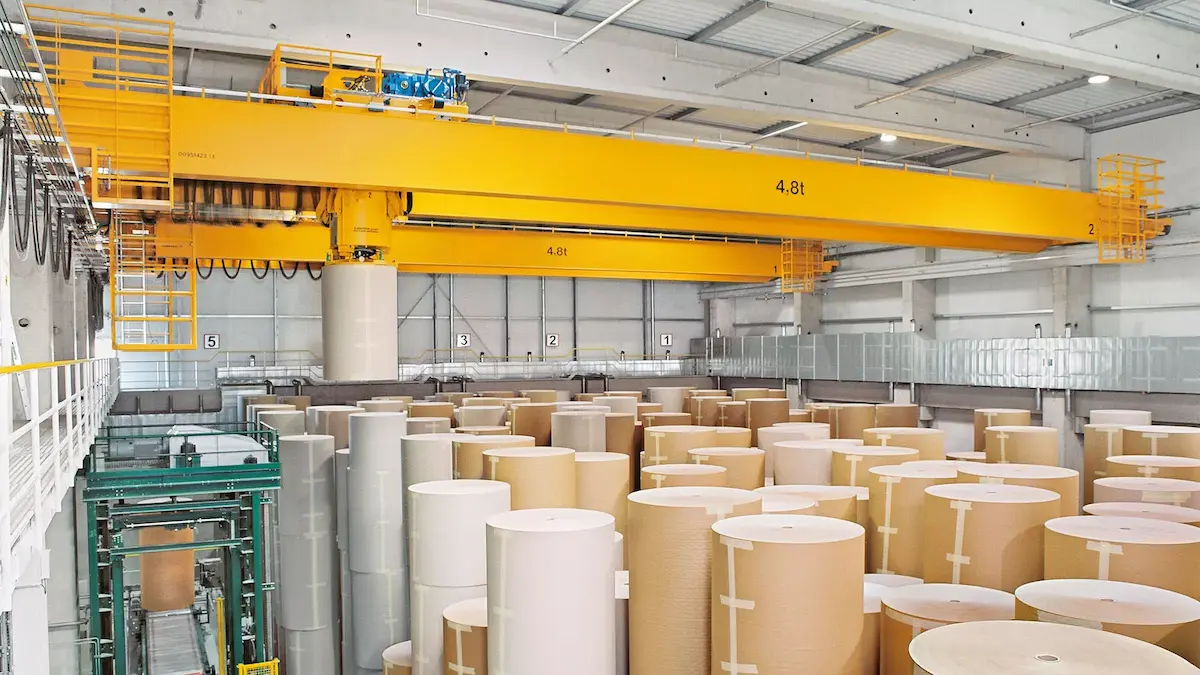
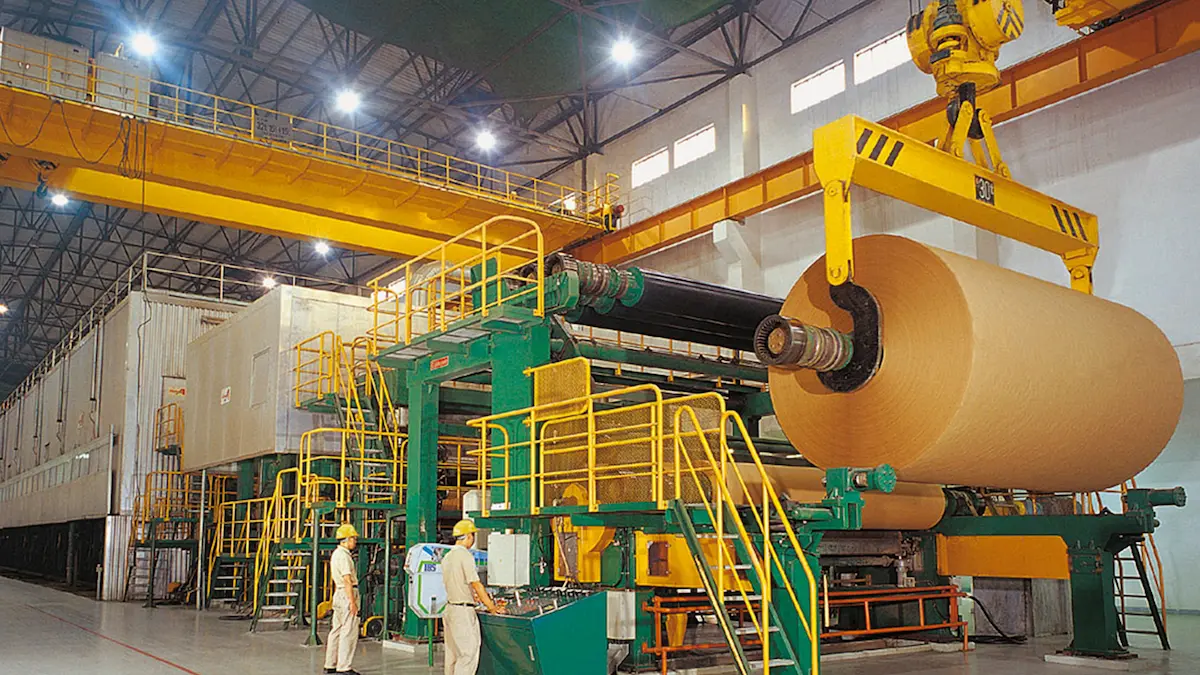
Paper roll handling (Paper machine workshop) |
Huge jumbo rolls and finished paper rolls |
Extremely high requirements. It needs highly precise, smooth lifting and running. Any shaking may damage rolls or break the paper. Special lifting spreaders are usually required. |
|
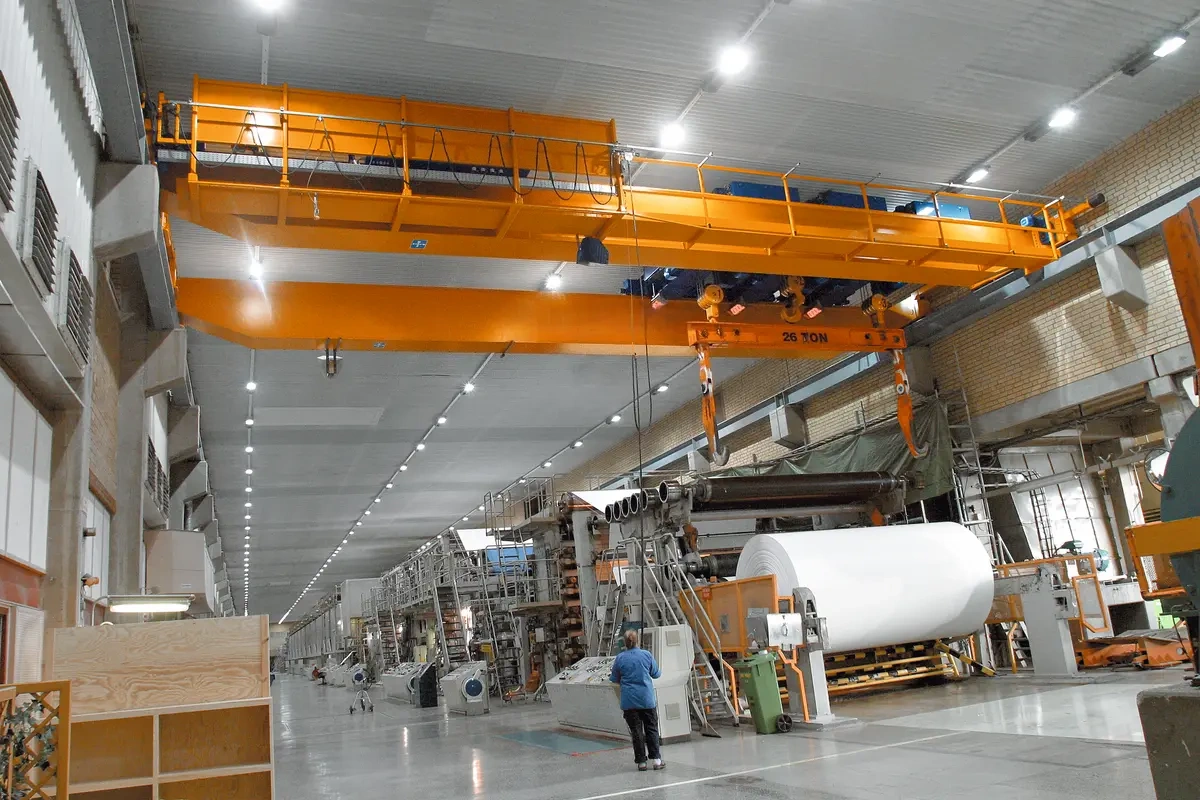
Equipment installation and maintenance |
Press rolls, drying cylinders, and other heavy parts |
High precision is required. Space is limited, and alignment needs millimeter precision. Micro-speed control helps maintenance staff replace parts easily. |
|
Raw material lifting (Pulping area) |
Waste paper bales, wood chips, and chemicals |
The worst environment. It has strong corrosion and heavy dust, needing frequent lifting. It severely tests the overhead crane for anti-corrosion and sealing. |
|
Finished product storage and transport |
Packaged paper rolls and paperboards |
Frequent operations. It focuses on handling efficiency and space utilization. Large spans and faster working speeds are typically needed. |

Wrong parameters mean wasting money. They also mean endless maintenance torture later. A paper mill overhead crane is special. We suggest examining these five core elements (see table):
|
Selection Core Elements |
Common Mistakes |
HSCRANE Selection Advice |
|
How to determine lifting capacity? |
Many only calculate net cargo weight. They forget the spreader weight. |
Leave enough safety margin. Actual capacity = max cargo weight + spreader weight. Slightly increase capacity for the dry end to handle shocks. |
|
Span and lifting height? |
People ignore roof structure limits. They ignore spreader vertical height. |
Measure ultimate headroom on site. Deduct spreader size from lifting height. Ensure it safely crosses lower equipment. |
|
How to determine duty group? (A5/A6/A7) |
Choosing A3/A4 cheaply causes frequent motor burnouts. Wire rope wears extremely fast. |
Never downgrade usage. Paper roll cranes must reach A6 or A7. A5 is enough for maintenance cranes. |
|
Single or double girder? |
Some force single girders regardless of span and tonnage. |
We recommend double girder overhead cranes for heavy loads. Use them if span exceeds 20m or capacity exceeds 10t. They offer better structure and smoother running. |
|
Is inverter control needed? |
Some think traditional contactors work fine to save money. |
Inverters are mandatory for paper mills. Crane shocks easily break paper rolls. Full inverters achieve zero-speed hovering and protect parts. |
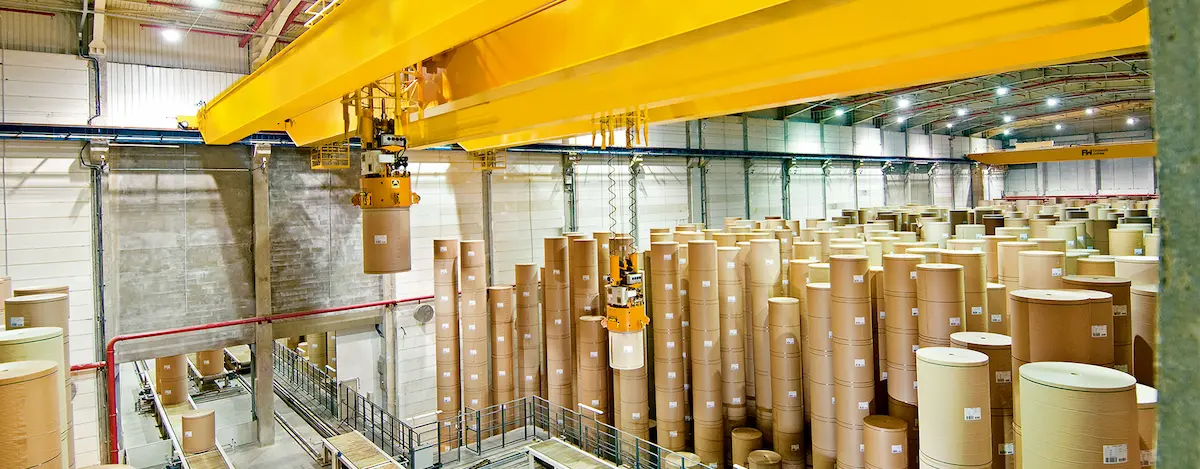
In a paper mill, ordinary anti-rust paint is like a paper shield. It peels off within six months. Once metal is exposed, acid-base vapor quickly erodes the steel structure. It is ugly and brings fatal safety hazards. An effective solution for a paper mill overhead crane must be fully armed.
We never recommend a simple single-layer primer and topcoat. A paper mill overhead crane needs more. For highly corrosive environments, HSCRANE uses a standard three-layer heavy anti-corrosion coating system. It strictly follows international standards:
Corrosion levels vary greatly in different workshop areas. Spending money wisely is the smartest selection method. Please refer to our suggested regional anti-corrosion grade table:
|
Paper Mill Applicable Area |
Corrosive Environment Grade |
Typical Environmental Features |
Coating Thickness Suggestion |
|
Finished product warehouse, base paper warehouse |
C3 (Medium corrosion) |
Indoor environment with some humidity. There is no obvious chemical pollution. |
Total paint film thickness ≥160μm |
|
Paper machine workshop (Dry end / Wet end) |
C4 (High corrosion) |
High humidity and heavy water vapor condensation. Occasional chemical volatiles exist. |
Total paint film thickness ≥240μm |
|
Pulping area, chemical storage area |
C5 (Extremely high corrosion) |
Continuous high humidity and dense acid-base mist. Extremely harsh conditions. |
Total paint film thickness ≥320μm (Special custom coatings may be needed) |
Mechanical structure rusting is chronic. But water entering the electrical system is instantly fatal.
Never let a rusty screw ruin the whole equipment! For these details, we usually adopt:
Looking for anti-corrosion solutions that truly understand papermaking?
Different papermaking processes bring different corrosion sources. Examples include kraft paper, tissue paper, and specialty paper. Contact HSCRANE now. Our engineers will use your lab reports or site photos. We will match the most economical and durable anti-corrosion design for you.
[Click here to contact HSCRANE for the best solution]
A good paper mill overhead crane needs a strong frame. Its internal parts must also be durable. Saving budget on core configurations is a mistake. It leads to high repair costs and downtime later. Here is our long-life configuration list for the paper industry:
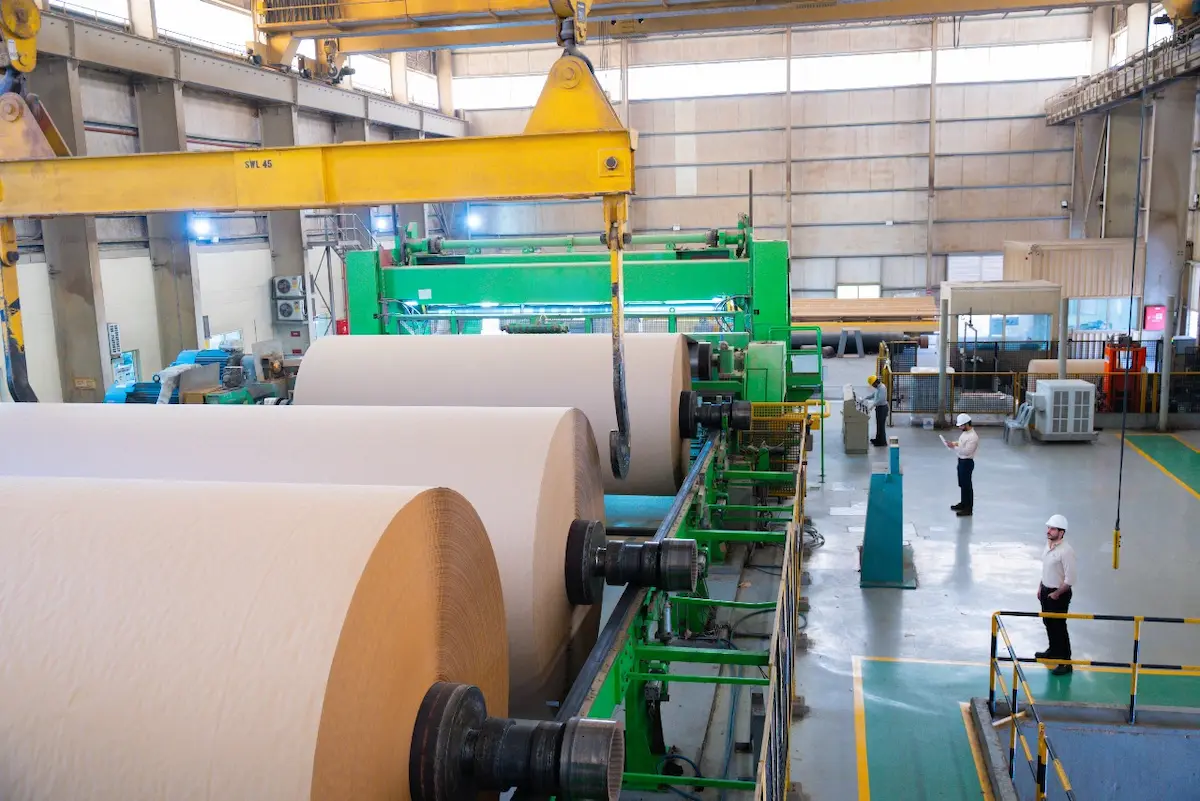
HSCRANE succeeds in the paper industry through quality, not low prices. We strictly follow international standards. Every paper mill overhead crane we build meets strict engineering specifications:
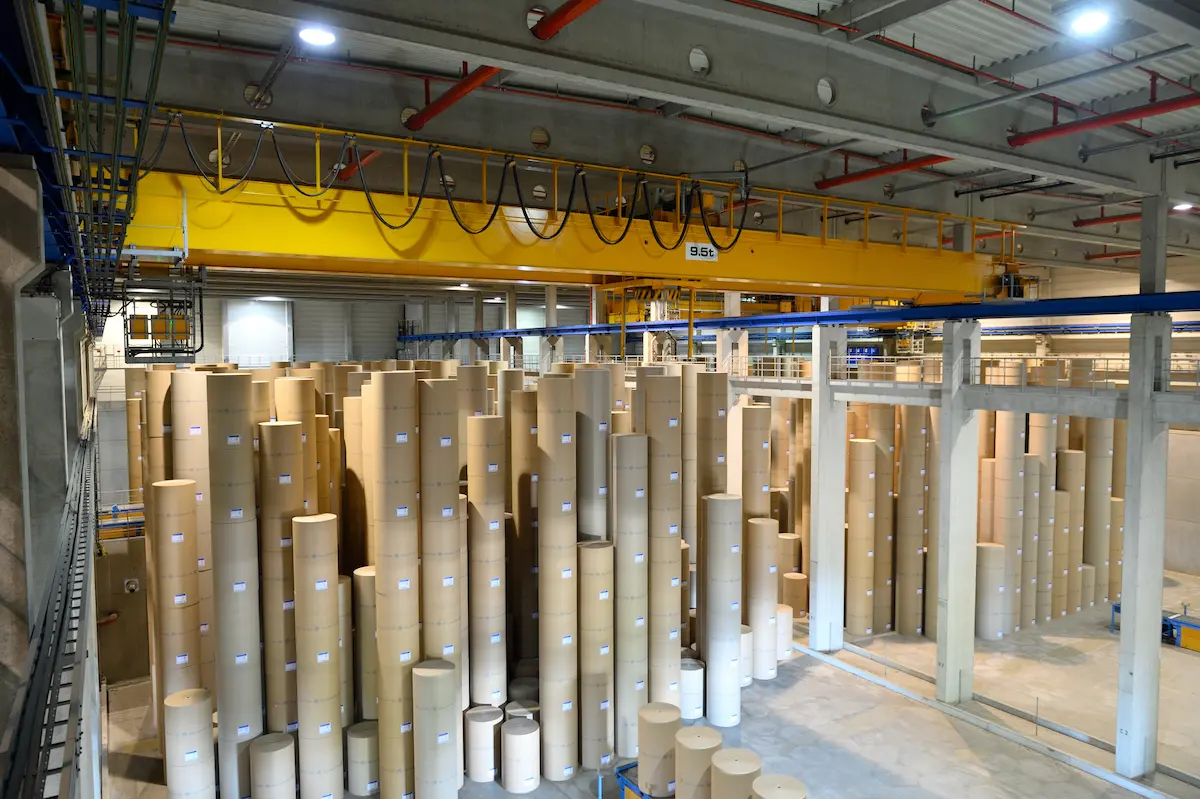
In the paper industry, the project site is the only test for equipment. Here is our recent landmark overseas project:
Client Information:
Background and Pain Points: The coastal plant faces 80% humidity and chemical corrosion. It also faces marine salt spray. Older general cranes peeled and shorted in their second year. The client required the A7 duty class for 24/7 operation. They also needed millimeter-level positioning.
HSCRANE Solution: We rejected regular configurations for these harsh conditions. We delivered this fully armed solution:
Project Results: These cranes have run since 2023. They delivered highly satisfying results:
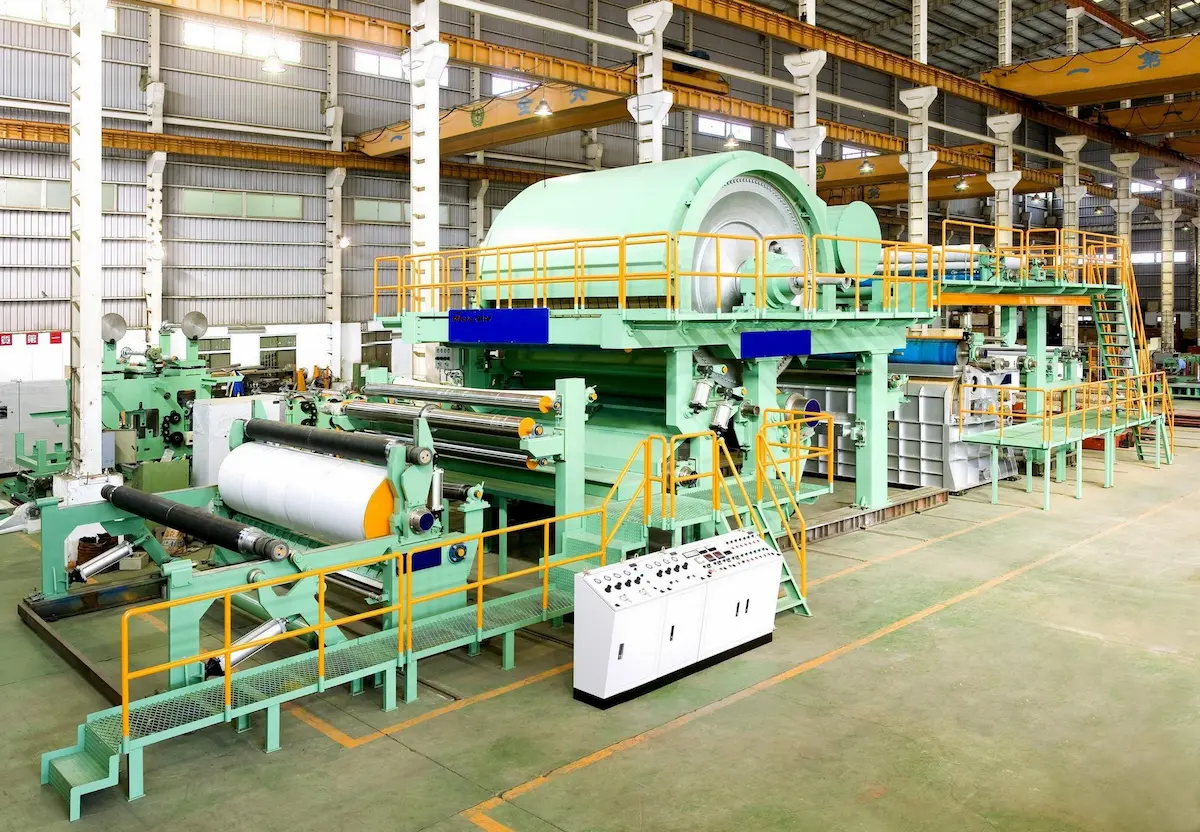
In a paper mill, don’t fix cranes only when broken. You must prevent problems beforehand. High heat, humidity, and corrosive gases silently age equipment. This happens in the workshop. We want to avoid sudden paper mill overhead crane failures during key production periods. Based on our after-sales experience, we created this practical maintenance list:
|
Maintenance Item |
Frequency |
Core Maintenance Focus |
|
Daily inspection |
Before shift |
Listen and watch: Listen for abnormal noises from reducers and motors upon starting. Test all limit switches for sensitivity. Don’t ignore the wire rope: Wear gloves and touch it to check for broken wires. Acidic moisture easily rots ropes inside. |
|
Anti-corrosion check |
Monthly |
Focus on dead corners: Inspect main girder welds, trolley rail joints, and water accumulation areas. If paint blisters or peels, remove rust and repaint within 48 hours. Small rust spots become structural hazards in a month. |
|
Electrical system maintenance |
Quarterly |
Moisture and dust prevention: Open the control cabinet. Check sealing strips and dehumidifying heaters. Use dry compressed air to blow pulp dust off inverters and contactors. Dust easily causes short circuits after absorbing moisture. |
|
Lubrication maintenance |
Regularly |
Reject poor grease: Paper mills have high temperatures. You must use high-temperature, water-resistant lithium grease. Apply anti-corrosion grease to wire ropes regularly. Check wheel and drum bearing seals. Add oil promptly if missing. |
|
Annual safety test |
Professional intervention |
Hardcore index testing: Invite professionals to measure main girder deflection. Check brake pad wear margins. Calibrate cart running tracks for rail gnawing. Tighten high-strength bolts on all stressed parts. |
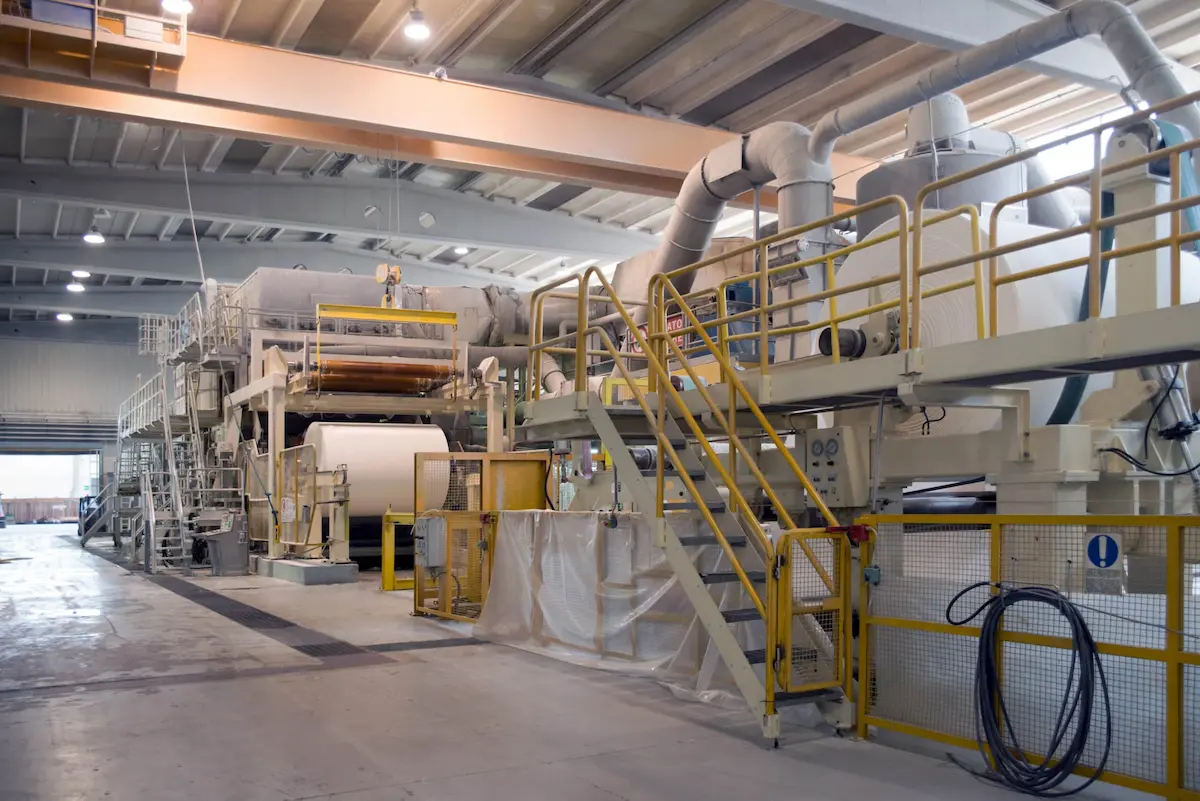
Buying a crane isn’t buying fast-moving consumer goods. This is especially true for a paper mill overhead crane. If chosen wrong, downtime and repair costs may exceed the equipment price. Facing uneven manufacturers, we suggest checking these five hard indicators:
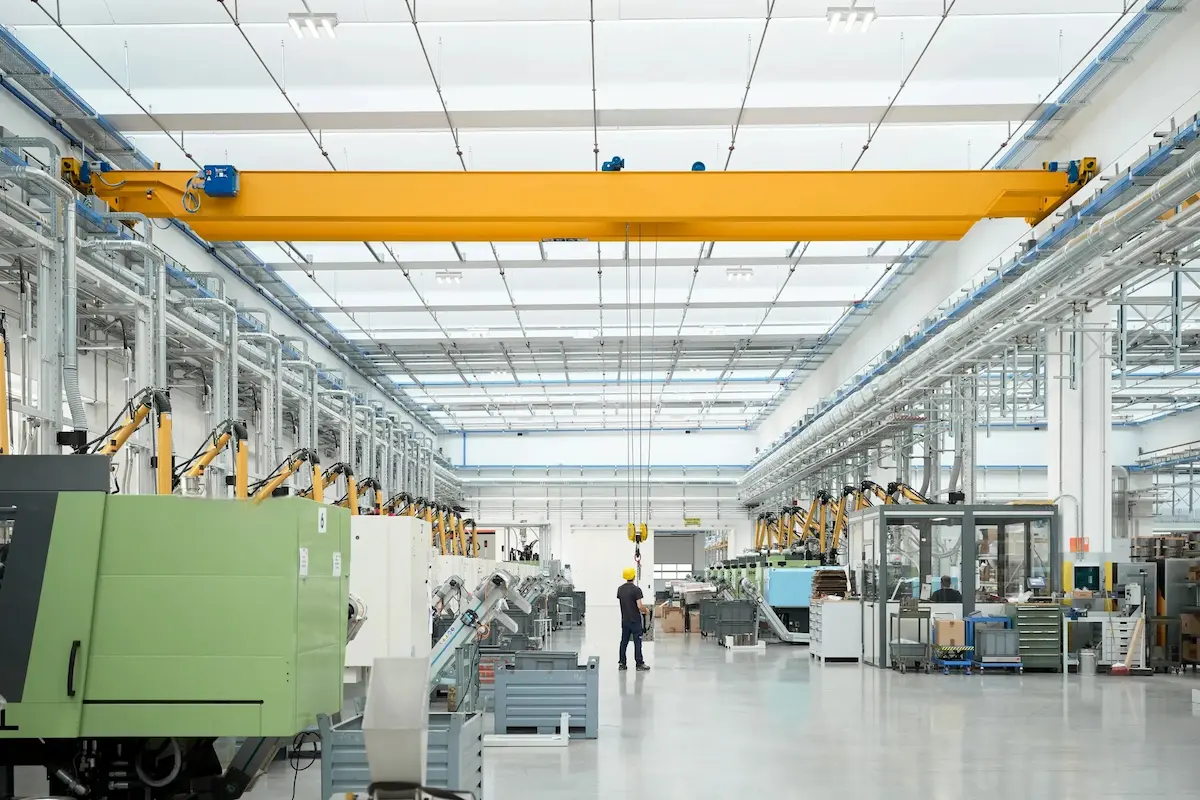
Paper mill investments often cost hundreds of millions. High-speed paper machine operations tolerate no mistakes. The overhead crane is the core porter connecting process links. Its selection is not just piecing parameters together. It requires considering anti-corrosion, stability, and operation precision. Extra thought on configurations and anti-corrosion details pays off later. It turns into real production capacity over the long cycle. It also saves huge maintenance costs. Choosing the right equipment protects your core productivity.
Looking for an overhead crane supplier for the paper industry?
HSCRANE provides deeply customized lifting equipment for many global industries. We know how to help paper clients avoid selection mistakes. We help improve efficiency and reduce maintenance costs. We ensure long-term stable equipment operation in complex conditions. Are you ready to upgrade your workshop handling solution?
[Contact us now]! Get free technical consultation from senior engineers. We offer tailored designs and detailed project quotes!
“If chosen right, can the building match?”
Many clients only focus on the crane itself. They ignore the load limits of building beams and columns. Before ordering, does your building have the strength to support heavy cranes? We prepared a guide: Is Your Building Ready for an Overhead Crane? A Complete Structural Evaluation Guide. It covers everything from column spacing to runway beam loads. It teaches you how to predict installation risks. This avoids secondary construction waste caused by structural limits.
[Click to read: Is Your Building Ready for an Overhead Crane? A Complete Structural Evaluation Guide]
We compiled common questions from paper industry clients to help you decide quickly:
Q: Is C3 anti-corrosion enough for a paper mill overhead crane?
A: It depends on the installation area. C3 is suitable for dry warehouses away from production. For wet end, pulping, and other humid or corrosive areas, C4 or C5 protection is strongly recommended to prevent early corrosion and reduce maintenance.
Q: Why do you recommend full inverters for paper machine workshops?
A: Paper rolls are heavy and easily damaged. Traditional controls create sudden starts and stops that can damage roll edges and increase wear on crane components. Full inverters provide smooth, precise speed control for safer, more stable handling.
Q: Can a standard overhead crane be upgraded for paper mill use?
A: Generally, no. Standard cranes are not designed for the high-duty cycles, structural demands, and harsh environments of paper mills. Even with anti-corrosion upgrades, frequent failures and downtime are likely. A purpose-built paper mill crane is the more reliable long-term solution.
Q: Does HSCRANE support overseas paper mill projects?
A: Yes. HSCRANE designs cranes to meet FEM, DIN, and ISO standards, supports local voltage and frequency requirements, provides marine-grade export packaging, and offers overseas installation, commissioning, and operator training for Southeast Asia and other international markets.
This document is for reference only. Specific operations must strictly comply with local laws and regulations and equipment manuals.