Welcome to visit our factory
Email : info@huasuicrane.com


This article focuses on safety regulations and compliance management for crane operations during petrochemical equipment assembly. It systematically analyzes major safety challenges under high risk working conditions in the petrochemical industry. The article highlights key requirements for crane selection, operating procedures, safety protection devices, and workflow management. It explains the role of compliance management in ensuring construction safety, risk control, and project schedule reliability. Combined with petrochemical project characteristics, it presents practical insights. The article also introduces HSCRANE advantages in safety design, environmental adaptability, and customized solutions. It provides a reliable crane application reference for petrochemical equipment assembly.
In petrochemical projects, equipment assembly is highly sensitive to safety risks. Any crane operation error may cause serious consequences. Cranes are critical equipment widely used for lifting large and heavy components. Their safe operation directly affects construction quality and site safety. Implementing safety regulations and compliance management for crane operations effectively reduces accident risks. It protects personnel safety. It ensures smooth project execution. It also demonstrates corporate responsibility for safety management
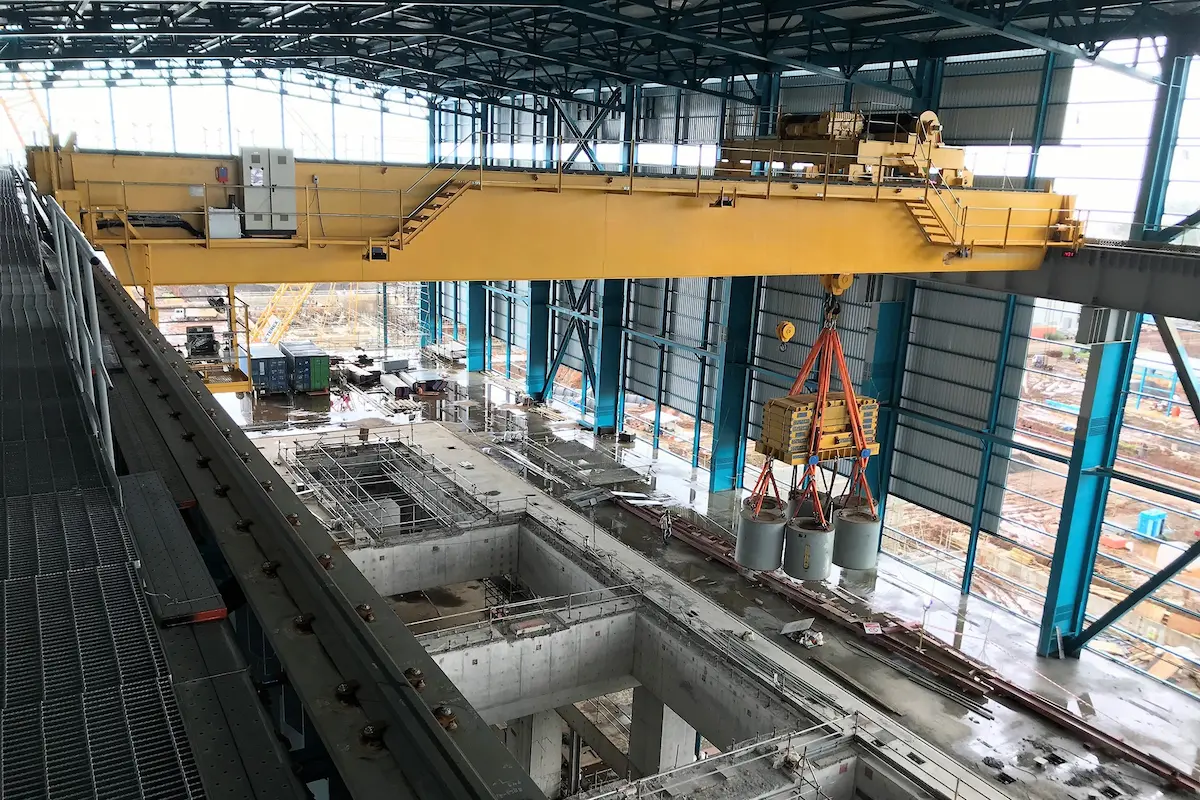
Equipment assembly in petrochemical projects differs significantly from general industrial lifting. Differences exist in equipment types, lifting characteristics, and operating environments. These differences require stricter and more professional standards for crane selection, operation planning, and safety control.
Petrochemical plants involve various large scale equipment designs. Common equipment includes reactors, columns, heat exchangers, separators, and pressure vessels. Such equipment generally has the following characteristics:
During assembly, cranes perform lifting and precise positioning in confined spaces. This demands higher control accuracy and operational stability.
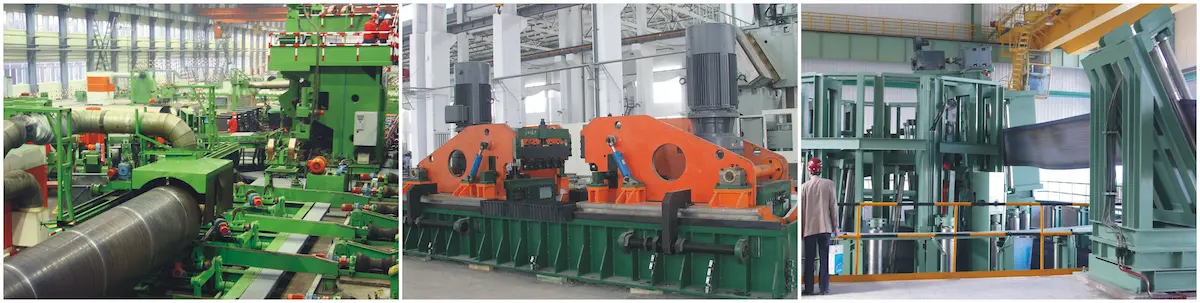
Petrochemical equipment often features high capacity, oversized dimensions, and offset centers of gravity. These conditions directly challenge crane operations:
Therefore, cranes must provide strong overall stability, accurate load control, and reliable anti sway and synchronous control. Safety must remain controllable during lifting, traveling, and positioning.

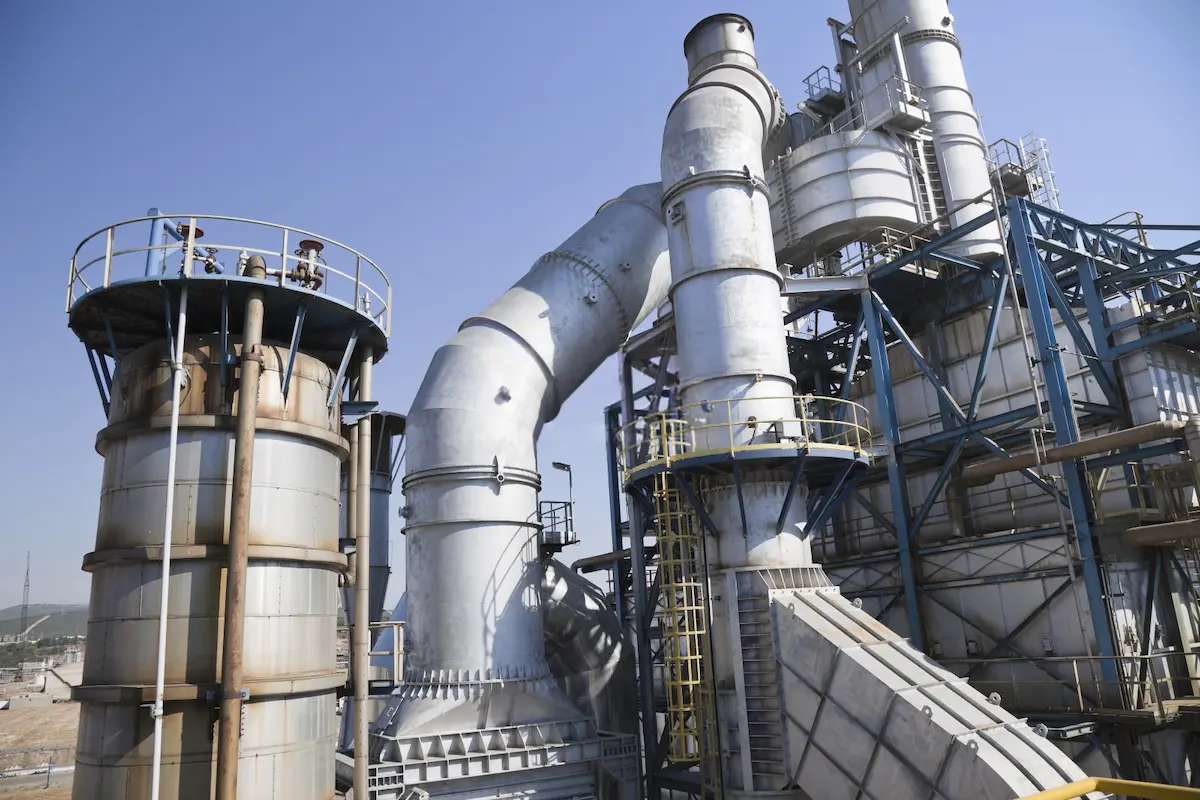
Petrochemical plants usually operate in high risk environments. These conditions mainly include:
Under such conditions, cranes require explosion proof, corrosion resistant, and heat resistant designs. Long term safety and reliability must be ensured.
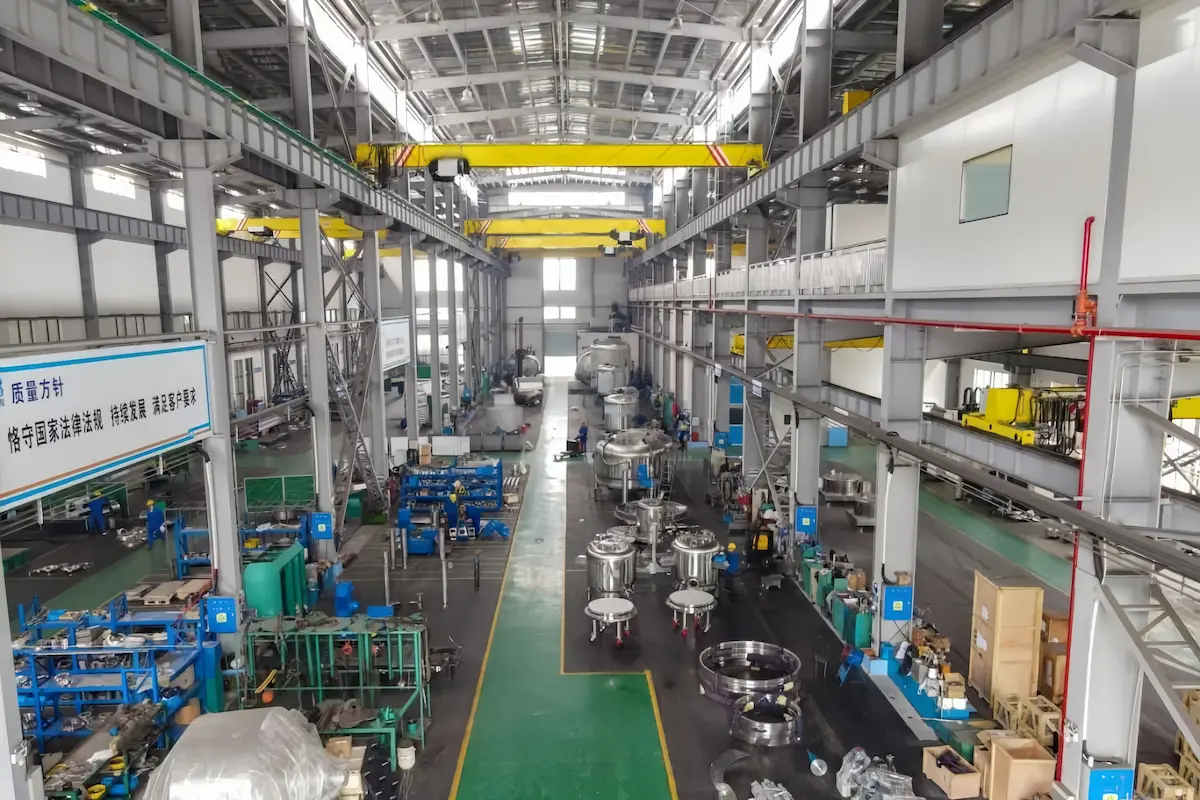
|
Key Stage |
Regulatory Requirement Description |
|
Crane selection and rated load matching |
Select cranes based on equipment weight, dimensions, center of gravity, and working radius. Actual loads must remain below rated capacity with sufficient safety margins. Overloading is strictly prohibited. |
|
Lifting plan approval and risk assessment |
Prepare a dedicated lifting plan before operation. Define crane configuration, lifting points, procedures, and emergency measures. Implementation requires technical, safety, and project management approval. |
|
Safety devices and monitoring system configuration |
Cranes should include overload protection, limit switches, anti collision, and anti sway systems. Real time load and operation monitoring should be applied as required. |
|
Personnel qualification and operation standards |
Crane operators, signalers, and riggers must be certified. Operating procedures and signal systems must be strictly followed. Clear communication is mandatory. Illegal commands and violations are prohibited. |
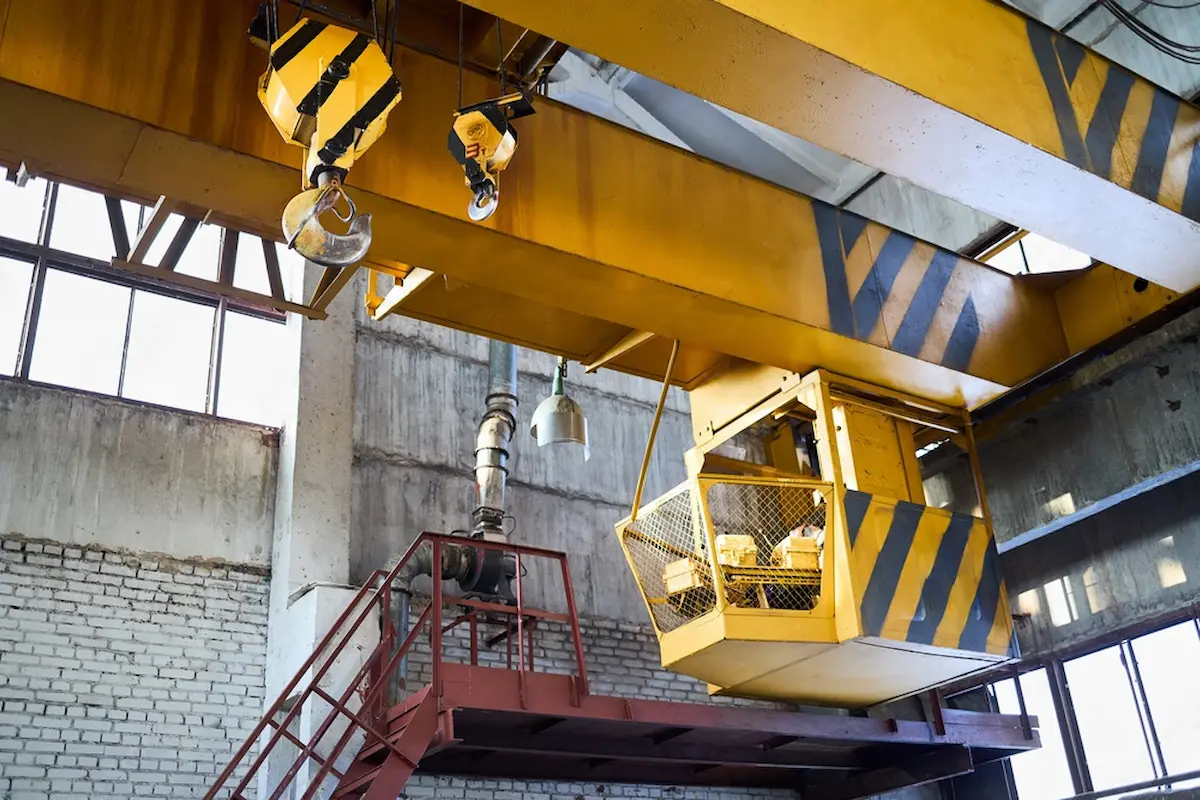
In petrochemical projects, crane operations are high risk activities and key focuses of safety supervision and compliance review. Establishing systematic, standardized, and executable compliance management mechanisms is essential. It ensures lifting safety and reduces overall project risk.
Crane operations in petrochemical projects must comply with industry standards, national regulations, and international norms. Common requirements include:
During project execution, applicable standards should be clearly defined based on project nature and location. This avoids compliance risks caused by unclear standard application.
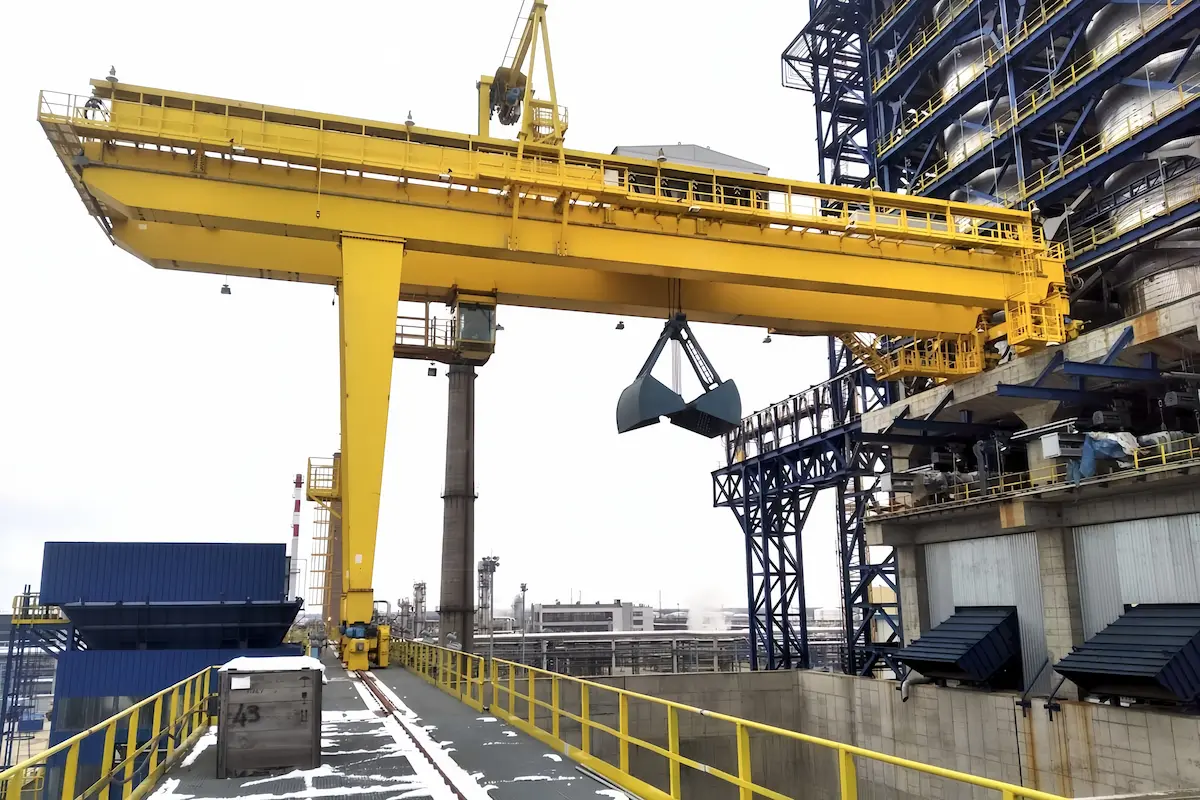
To ensure cranes remain in safe and controllable condition, compliance management must cover the full equipment lifecycle:
Standardized inspection and monitoring help identify hazards early and prevent unsafe operation.
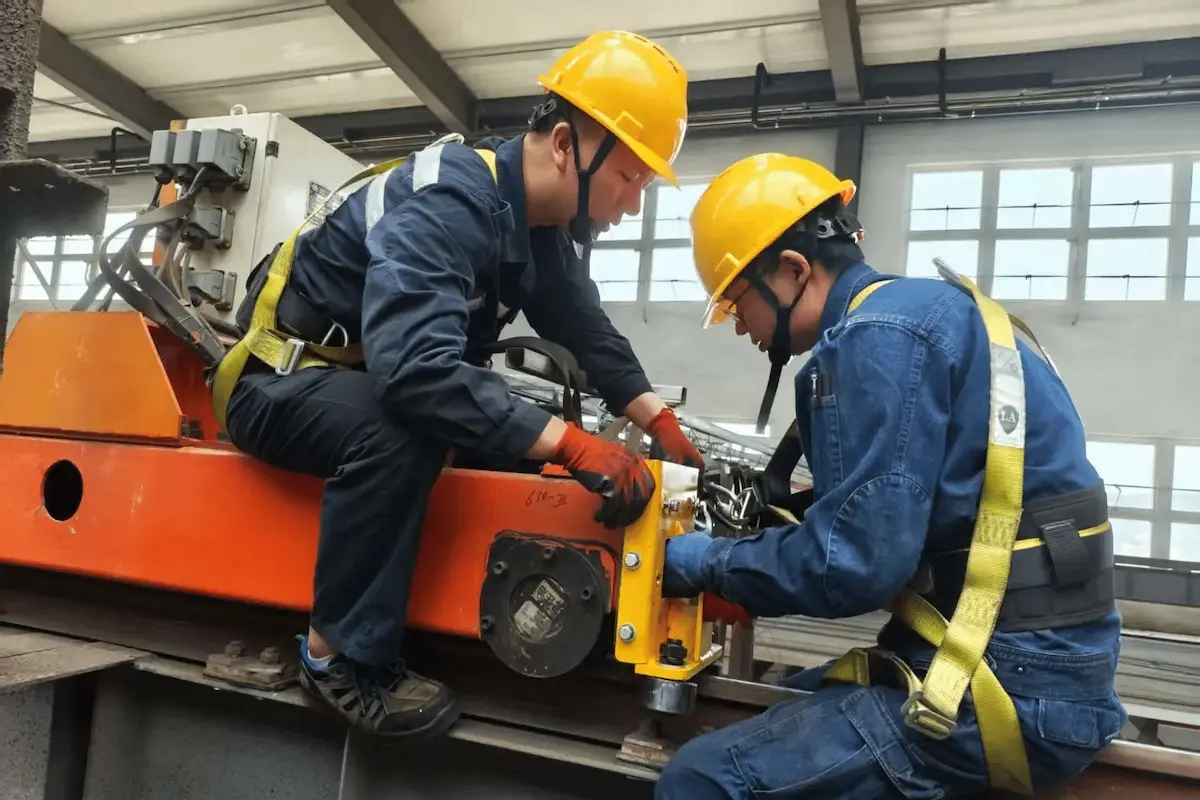
Compliance management for petrochemical crane operations should cover the entire operation process. Closed loop control should be established:
Process oriented management ensures every lifting operation is traceable, reviewable, and improvable.
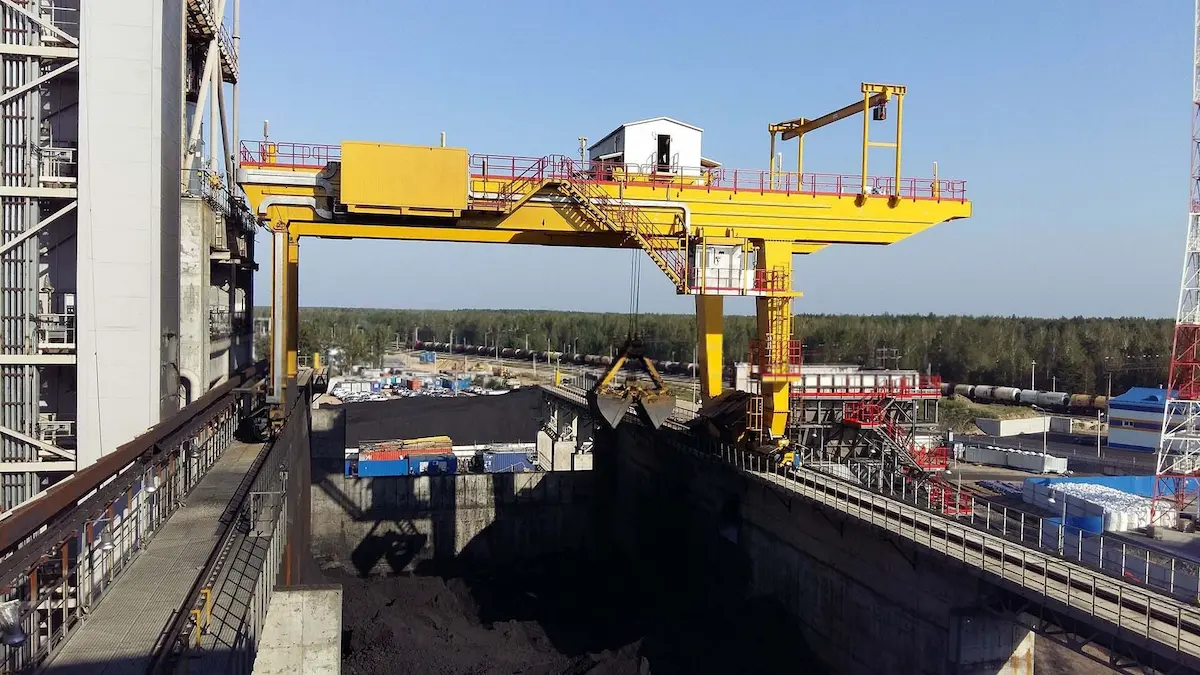
Given the high risk nature of petrochemical projects, comprehensive prevention and emergency systems are required:
Effective emergency management supports compliance and protects personnel and project stability.
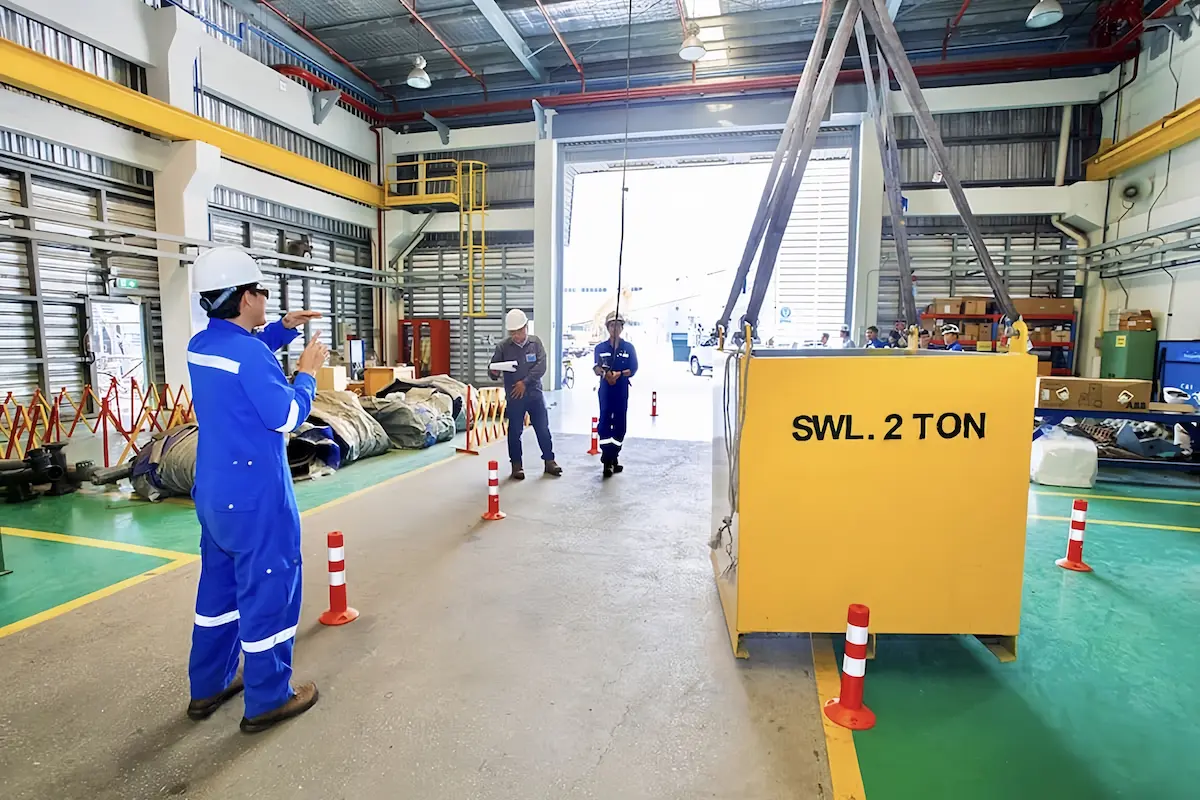
Petrochemical projects involve complex conditions and diverse environments. Different crane types offer specific advantages during equipment assembly. Proper crane selection based on space, equipment, and construction stage is critical.
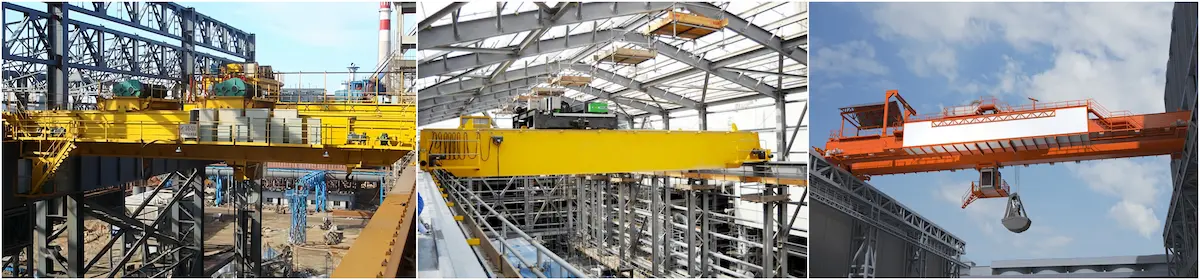
Overhead crane systems are mainly used inside petrochemical workshops or enclosed buildings. They support installation and relocation of reactors, heat exchangers, and modular equipment. Fixed travel paths and high positioning accuracy enable stable lifting in confined spaces. They are suitable for long term and repetitive assembly operations.
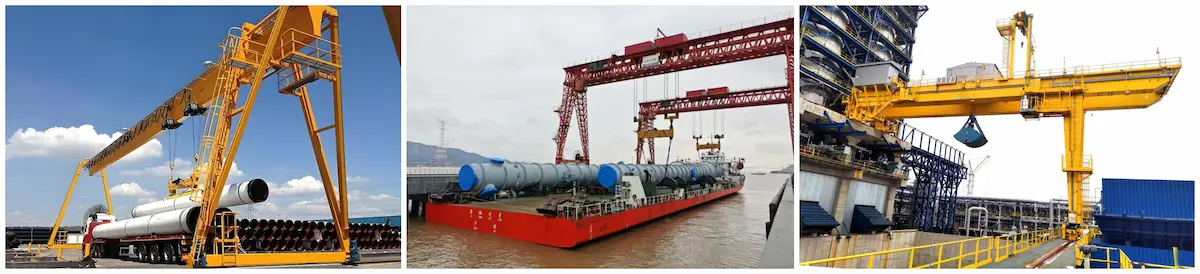
Gantry crane systems are commonly used in plant areas, yards, and outdoor environments. They suit assembly and transfer of columns and pressure vessels. Large spans and wide coverage reduce ground dependency. They maintain high efficiency in dense pipe rack and dispersed equipment areas.
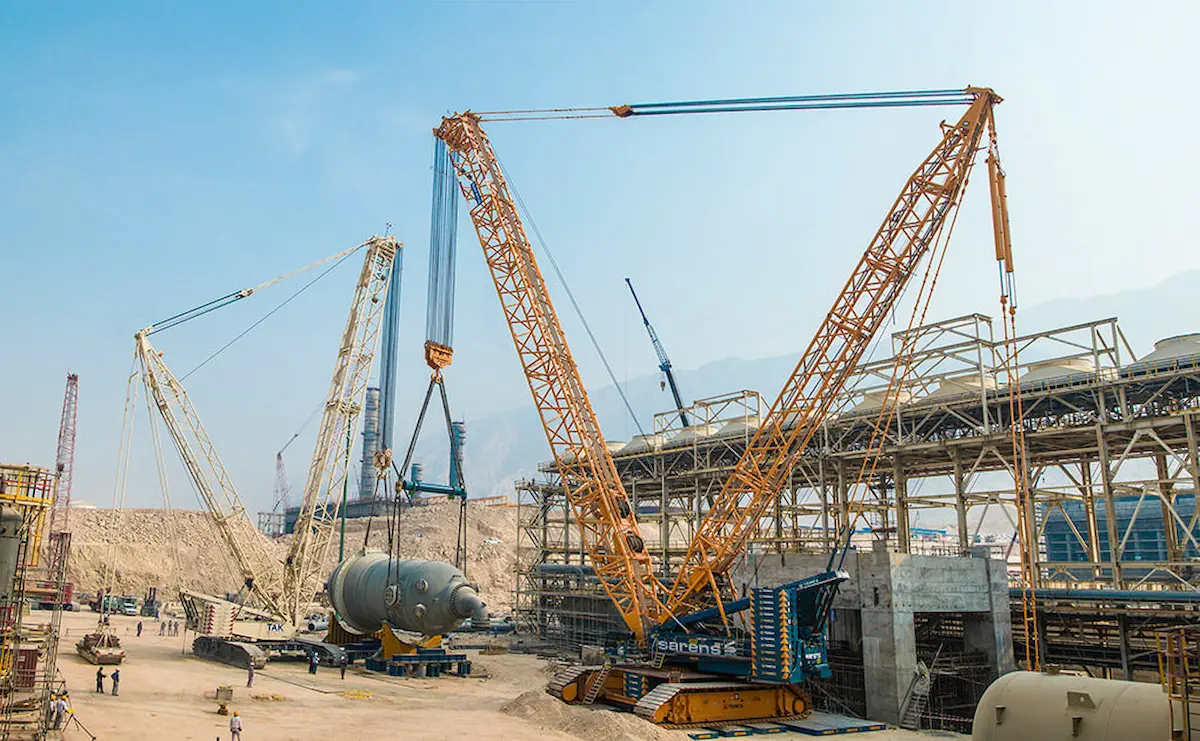
Mobile crane solutions include truck cranes and crawler cranes. They are widely used for installation, maintenance, and temporary lifting. High mobility and flexible deployment enable rapid response to changing work locations. They are suitable for space limited and frequently changing construction stages.
Under special conditions such as ultra heavy loads, extreme lifting heights, explosion protection, or strong corrosion, standard cranes may be insufficient. Customized crane solutions are designed for specific equipment and environments. They provide targeted improvements in safety, adaptability, and operational reliability.
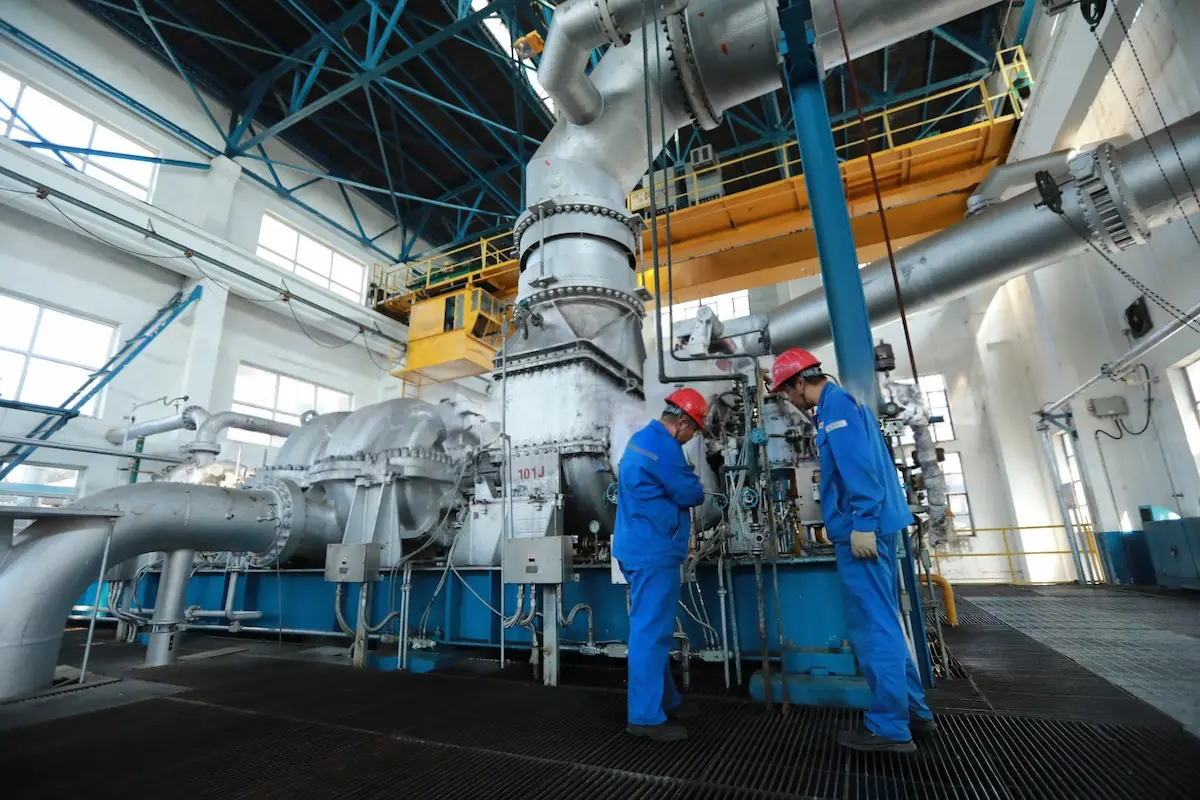
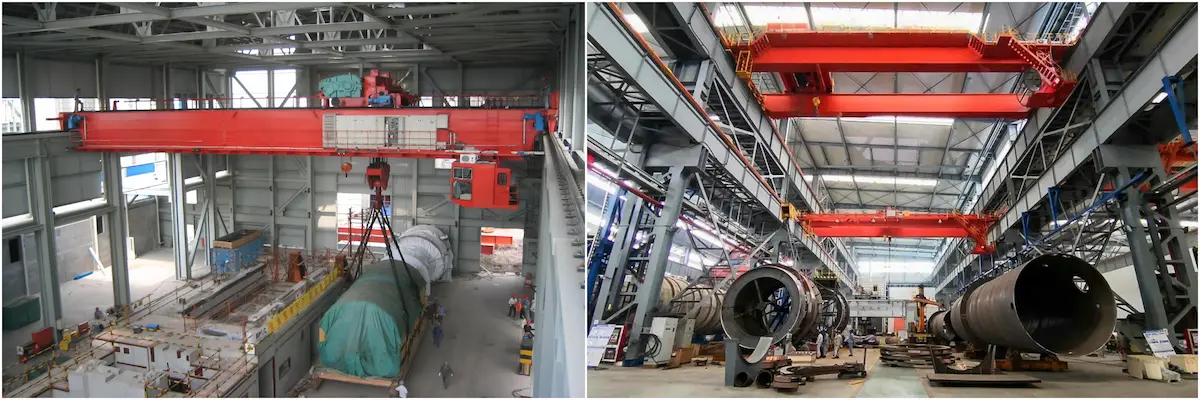
During petrochemical equipment assembly, crane operations remain high risk and high attention activities. Safety and compliance are prerequisites for project success and long term operation. Only through strict standard compliance and scientific lifting organization can risks be effectively controlled.
Proper crane selection and high quality equipment configuration directly impact construction efficiency and quality. Reliable solutions improve assembly accuracy and support on time project delivery.
HSCRANE focuses on safety and compliance to provide professional lifting solutions for the petrochemical industry. Contact HSCRANE to obtain the optimal crane solution for your project.
Safe crane operation in petrochemical projects depends on understanding relevant standards and regulations. Want to learn more about international and industry crane standards for design and operation?
Click to read Comparison of CMAA, FEM, and China Crane Standards: Design Differences and Advantages to support professional project decisions.
Q1: Which factors are most critical for crane selection in petrochemical projects?
A1: Focus on equipment weight, dimensions, center of gravity, working radius, and environment. Always reserve sufficient safety margins.
Q2: Why are explosion protection requirements high in petrochemical plant areas?
A2: Flammable media increase ignition risk. Explosion proof cranes reduce fire and explosion hazards and ensure compliance.
Q3: Must lifting plans be prepared and approved separately?
A3: Yes. Large or high risk lifts require dedicated plans with technical review and safety approval.
Q4: Do cranes require frequent inspections in petrochemical projects?
A4: Yes. Besides incoming inspection, periodic inspections and maintenance are required. Safety devices and electrical systems need special attention.
Q5: Does HSCRANE support customized crane solutions for petrochemical projects?
A5: Yes. HSCRANE provides customized crane designs and integrated lifting solutions for complex petrochemical conditions.
This document is for reference only. Specific operations must strictly comply with local laws and regulations and equipment manuals.