Welcome to visit our factory
Email : info@huasuicrane.com

In industrial production environments, cranes handle critical material-handling tasks, and their electrical systems form the core of stable equipment operation. However, many workshops face dust, humidity, oil mist, and corrosive gases that can damage electrical components. Long-term exposure to such harsh conditions may cause insulation aging, contact corrosion, short circuits, and poor heat dissipation. These issues reduce equipment performance and may lead to downtime or even safety incidents. Therefore, selecting the proper electrical protection level (IP rating) is essential. A suitable IP rating blocks dust and moisture from entering key components. It also reduces maintenance frequency, extends service life, and improves system safety and reliability. For companies seeking high stability, low failure rates, and long equipment life, proper protection selection is vital.
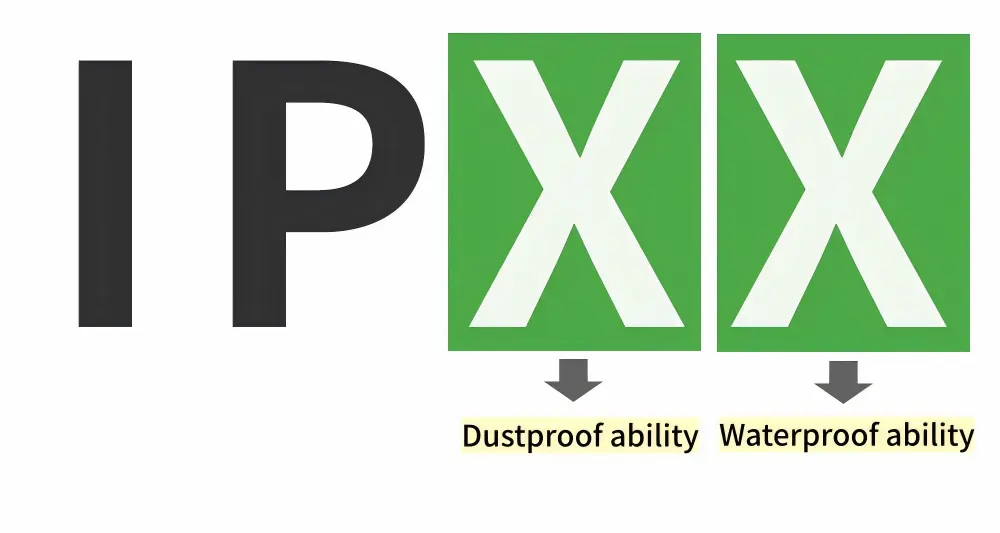
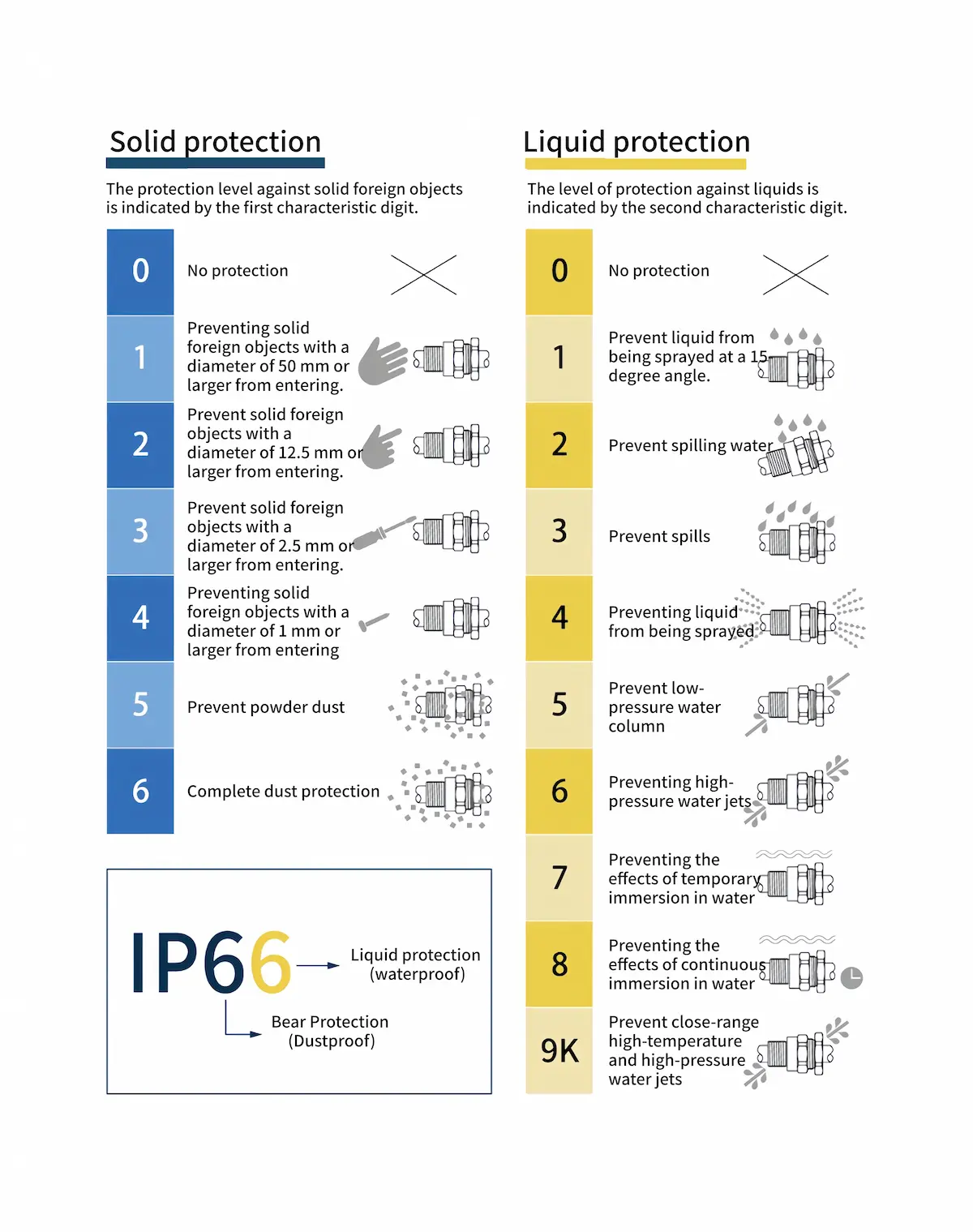
The IP rating is a protection standard defined by IEC to evaluate enclosure resistance to solids and liquids.
An IP rating contains two digits:
Selecting the correct IP rating for crane electrical parts—such as motors, control boxes, and conductor systems—is critical. It determines their ability to withstand dust, moisture, water spray, or rain in actual operating environments.
|
IP Rating |
Dust Protection (First Digit) |
Water Protection (Second Digit) |
Capability Description |
Typical Applications |
|
IP54 |
5—limits dust ingress without affecting operation |
4—protects against splashing water from any direction |
Basic industrial protection for light dust and minor moisture |
General workshops, warehouses, assembly areas, standard electrical cabinets |
|
IP55 |
5—reduces harmful dust accumulation |
5—resists low-pressure water jets, stronger than IP54 |
Enhanced protection for dusty or wash-down environments |
Metal processing, woodworking, powder workshops, areas with water spraying |
|
IP65 |
6—provides complete dust protection |
5—resists low-pressure water jets from defined directions |
High-level protection for humid, outdoor, corrosive, or dusty environments |
Outdoor cranes, ports, electroplating shops, chemical plants, foundries |
Selecting the correct electrical protection level requires accurate assessment of the operating environment. Different conditions directly affect sealing, stability, and maintenance frequency. Before selecting an IP rating, the following five factors must be analyzed.
|
Key Factor |
Example Environments |
Potential Risks |
Impact on Electrical Systems |
Recommended IP Rating and Configuration |
|
Dust Level |
Cement plants, foundries, mineral processing, sawmills |
Heavy dust entering the equipment |
Blocked heat dissipation, sticking contacts, reduced insulation, higher short-circuit risk |
IP55 for moderate dust / IP65 for heavy dust |
|
Humidity and Water Exposure |
Electroplating shops, paper mills, wet zones, outdoor ports |
High humidity, rain, mist, sea air |
Corroded terminals, short circuits, aged seals, moisture in motors |
IP55 for high humidity / IP65 for long-term outdoor or direct water exposure |
|
Chemical Corrosion |
Chemical plants, pickling lines, electroplating plants |
Acidic, alkaline, or corrosive substances |
Corroded metal parts, connector failure, seal degradation |
IP65 with corrosion-resistant enclosures (stainless steel or coated) |
|
Temperature and Ventilation |
High-temperature shops, poorly ventilated areas, cold warehouses |
High heat accelerates aging; low temperature affects flexibility |
Frequent overheating, unstable control systems, degraded seals |
Add cooling, insulation, or high-temperature components; IP rating based on dust and humidity |
|
Operating Frequency and Load Intensity |
High-cycle operations, heavy-load production lines |
Frequent motions accelerate wear |
Higher temperature rise, seal fatigue, increased failure rate |
At least IP55 for high-frequency use, with industrial cables and durable sealing |
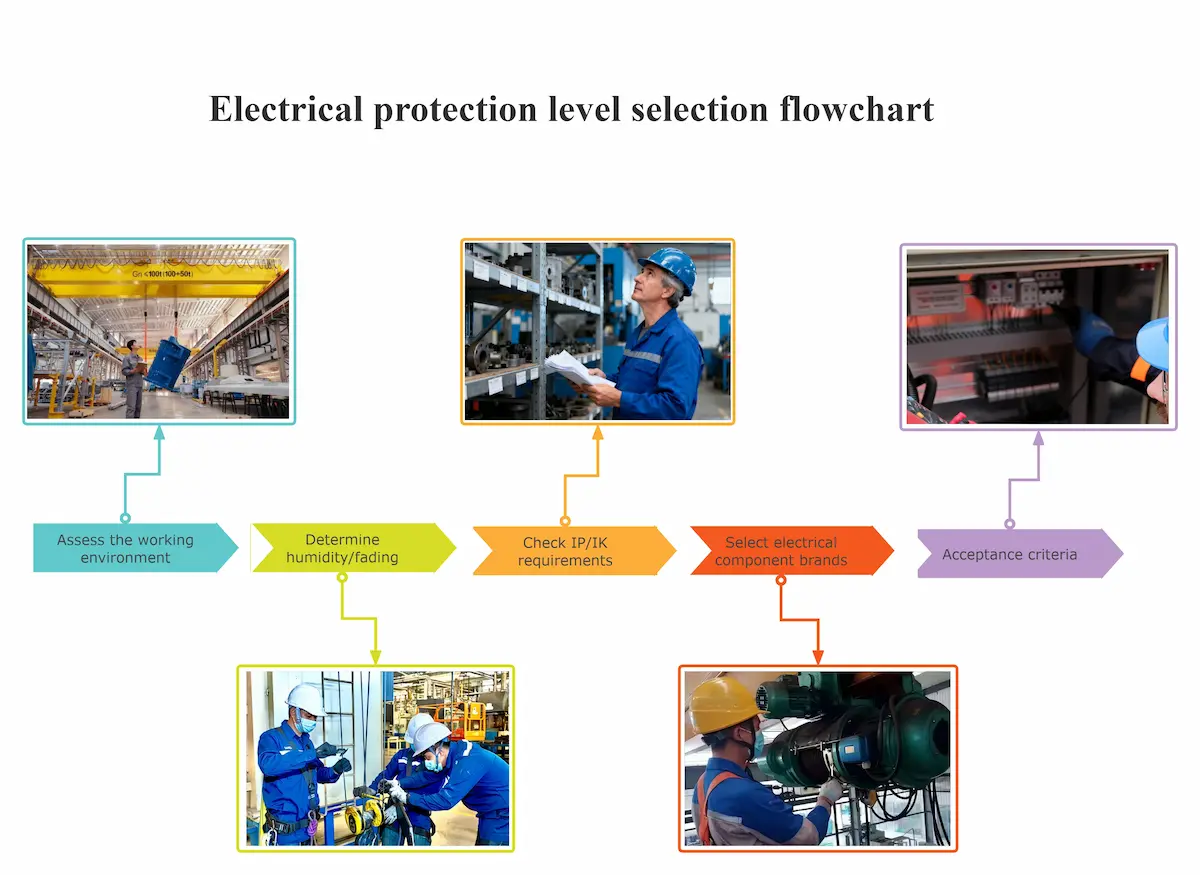
Different environments require different sealing, water resistance, and dust resistance for crane electrical systems. A proper IP rating extends component life, reduces failures, and improves operational safety. The following recommendations cover four typical working conditions.
Most general workshops—such as assembly areas, machining shops, and storage zones—have low dust and low humidity. Their electrical protection needs are moderate.
Recommended IP rating: IP54
Reasons for selection:
Applications: General factories, assembly and packaging areas, standard warehouses, logistics centers, stable indoor electrical rooms
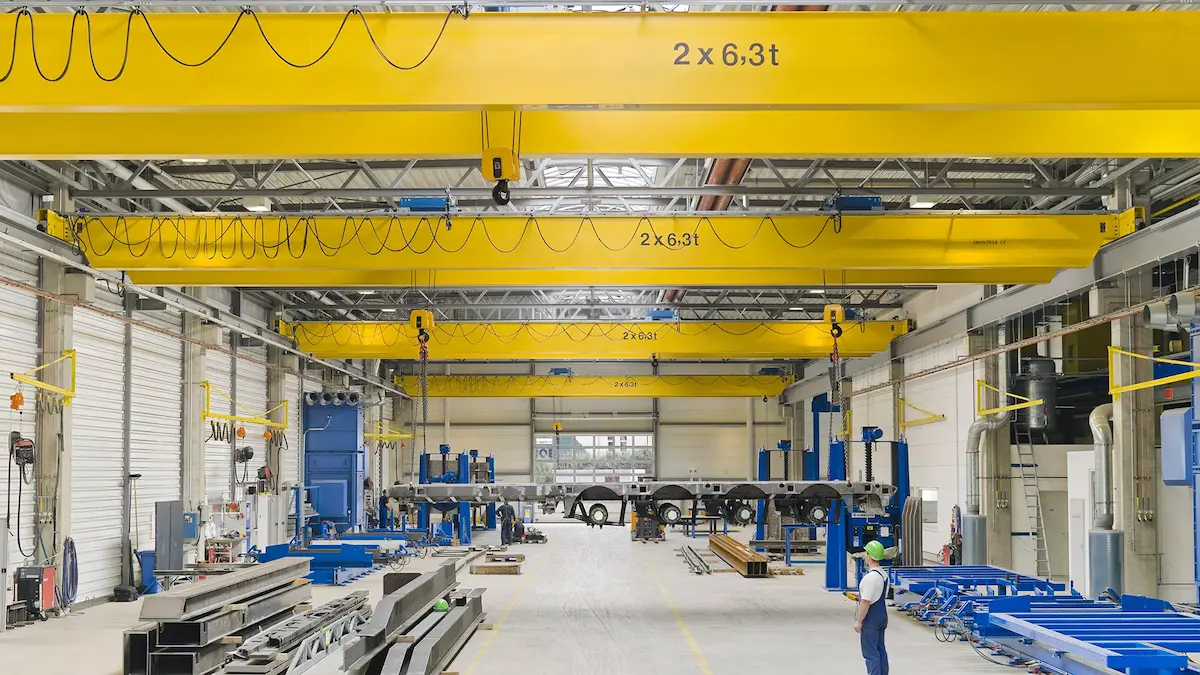
Cement plants, foundries, woodworking shops, and powder-processing areas contain high dust concentrations. Fine particles easily enter electrical components.
Recommended IP rating:
Reasons for selection:
Typical scenarios: Cement lines, grinding workshops, foundry areas, sand-molding zones, woodworking plants, plastic, fiber, and powder-processing industries
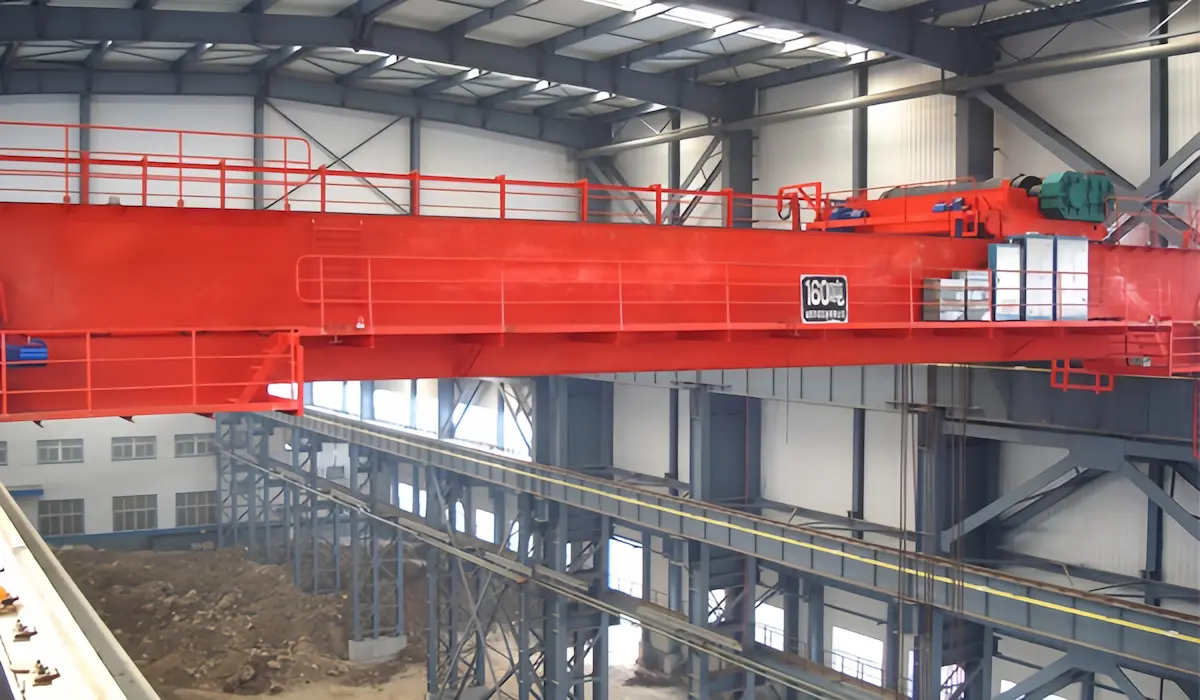
Humidity, condensation, rain, and water mist threaten electrical components and cause corrosion or short circuits.
Recommended IP rating:
Reasons for selection:
Typical scenarios: Electroplating workshops, paper-mill wet zones, outdoor terminals, ports, open steel platforms, food plants with cleaning processes
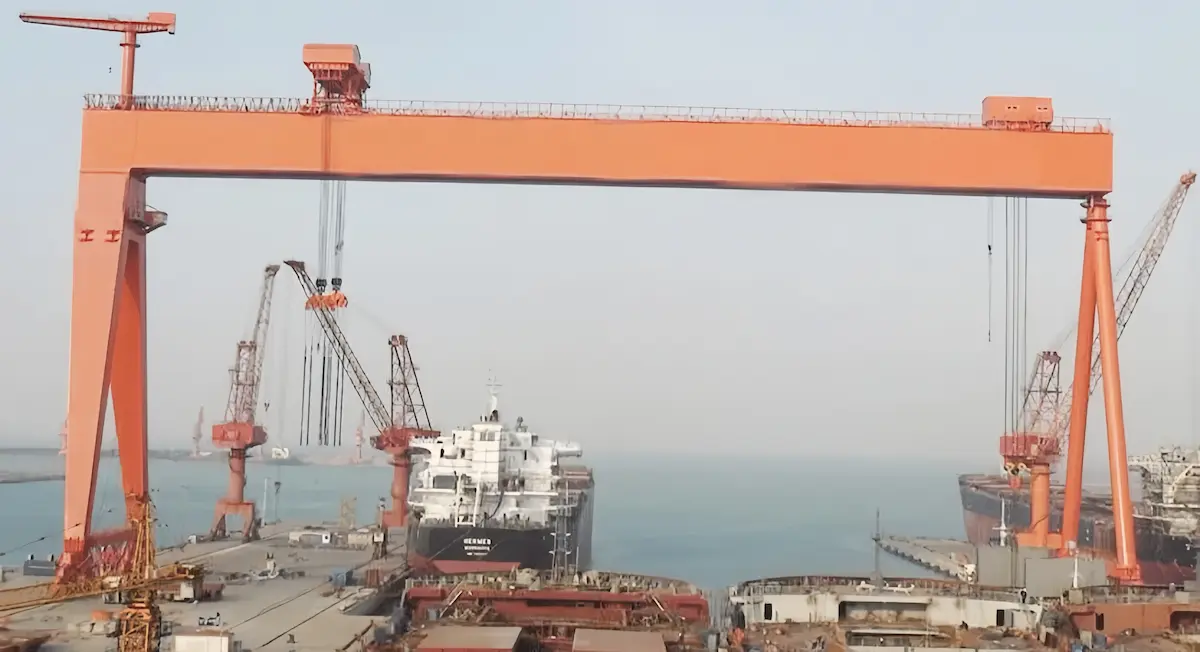
Chemical plants and pickling or electroplating workshops contain acidic, alkaline, or salt-rich gases. These conditions heavily corrode electrical components.
Recommended configuration:
Reasons for selection:
Typical scenarios: Chemical plants, electroplating lines, pickling workshops, areas with chlorine or acidic vapor
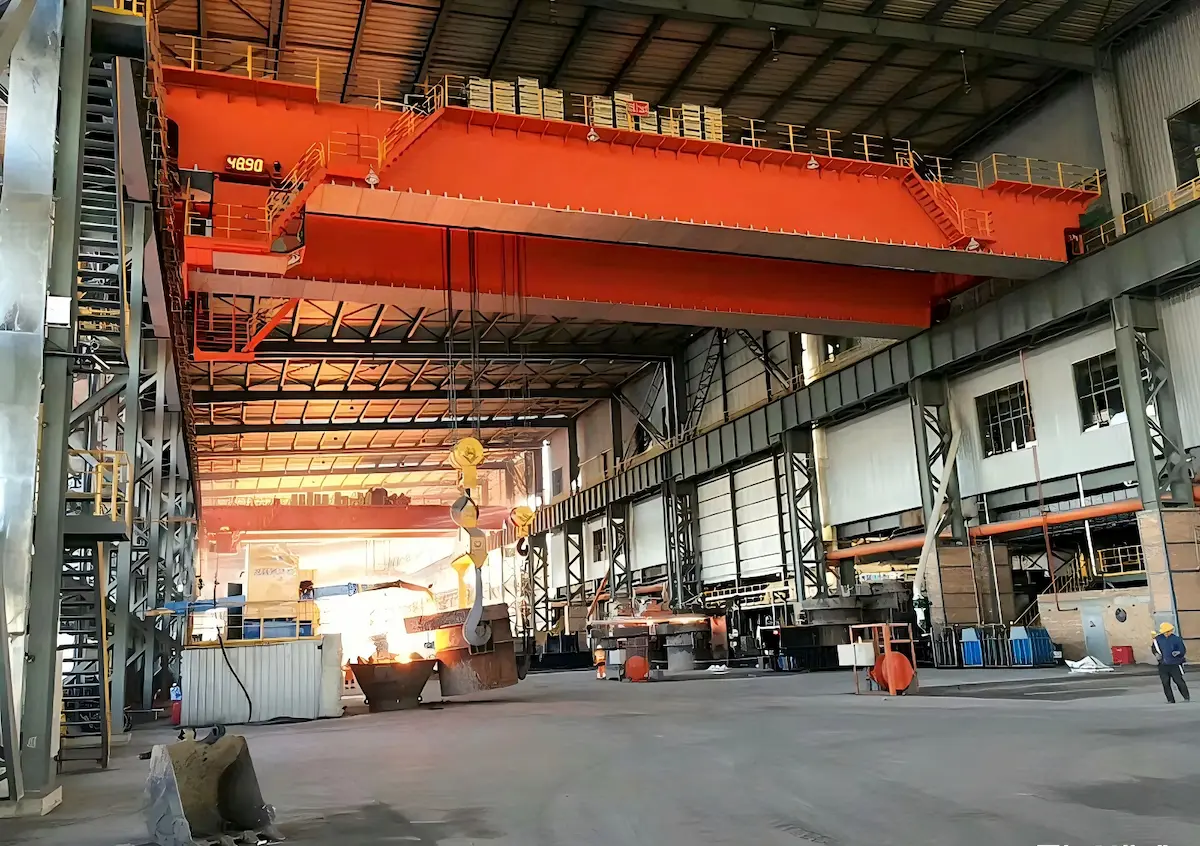
Selecting the correct electrical protection level is only the first step. To ensure the IP rating performs as designed, proper installation and continuous maintenance are essential. Even high IP ratings may fail if installation is incorrect or maintenance is lacking. Improper handling may cause seal failure, water ingress, or short circuits.
The IP rating is not permanent. It must be maintained throughout the full service life of the crane. If the following issues occur, protection capability may decline:
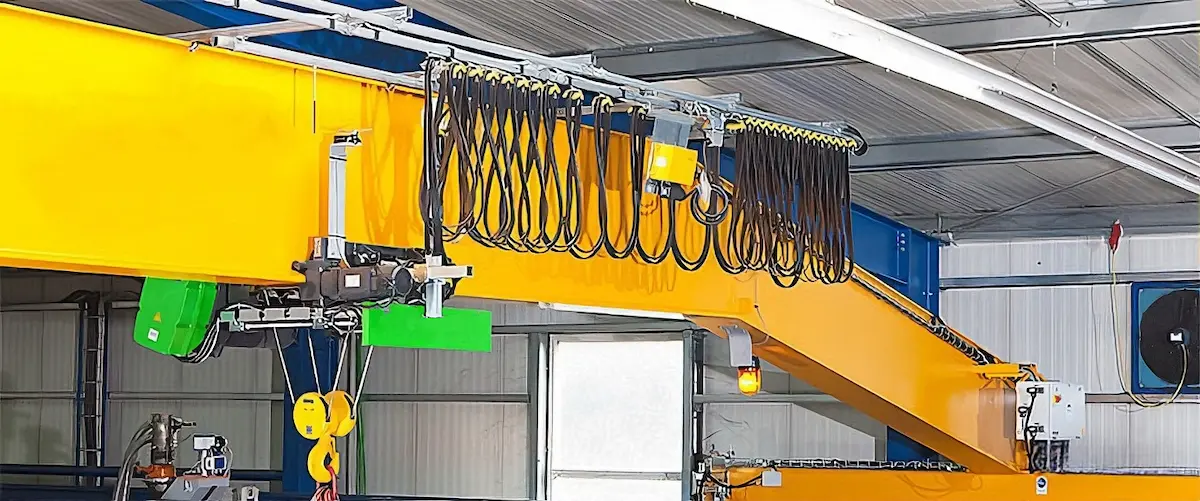
Correct initial installation is the key to achieving the designed IP rating. If installation is incorrect, water or dust intrusion may occur even when the product meets IP requirements.
Key checks during installation include:
|
Maintenance Item |
Inspection Content |
Purpose and Explanation |
|
Seal Inspection |
Check seals for aging, cracking, or falling off |
Prevent dust or water ingress due to seal failure |
|
Replace hardened or deformed seals promptly |
Maintain original IP protection capability |
|
|
Focus on motor covers, junction boxes, and control boxes |
These are common weak points |
|
|
Cable and Connector Inspection |
Inspect cable jackets for wear or cracks |
Prevent moisture intrusion through damaged cables |
|
Check connectors for looseness, corrosion, or water marks |
Maintain stable connections and avoid short circuits |
|
|
Replace failed connectors immediately |
Prevent IP rating degradation |
|
|
Enclosure Condition Check |
Inspect control boxes and motor housings for deformation |
Deformation compromises sealing |
|
Clean dust and oil from surfaces |
Prevent heat issues or seal corrosion |
|
|
High-Humidity / Corrosive Environments |
Check metal parts for rust or corrosion |
Moisture and chemicals accelerate internal damage |
|
Add protective coatings or stainless-steel enclosures when needed |
Extend electrical system life |
|
|
Inspect seals on exposed outdoor areas |
Outdoor conditions cause faster seal wear |
|
|
Sealing Performance Tests |
Perform spray tests for outdoor or high-humidity equipment |
Verify water resistance remains effective |
|
Use infrared imaging to detect moisture or overheating |
Identify sealing-related hidden risks |
|
|
Ensure no condensation inside control boxes |
Prevent oxidation, short circuits, and failures |
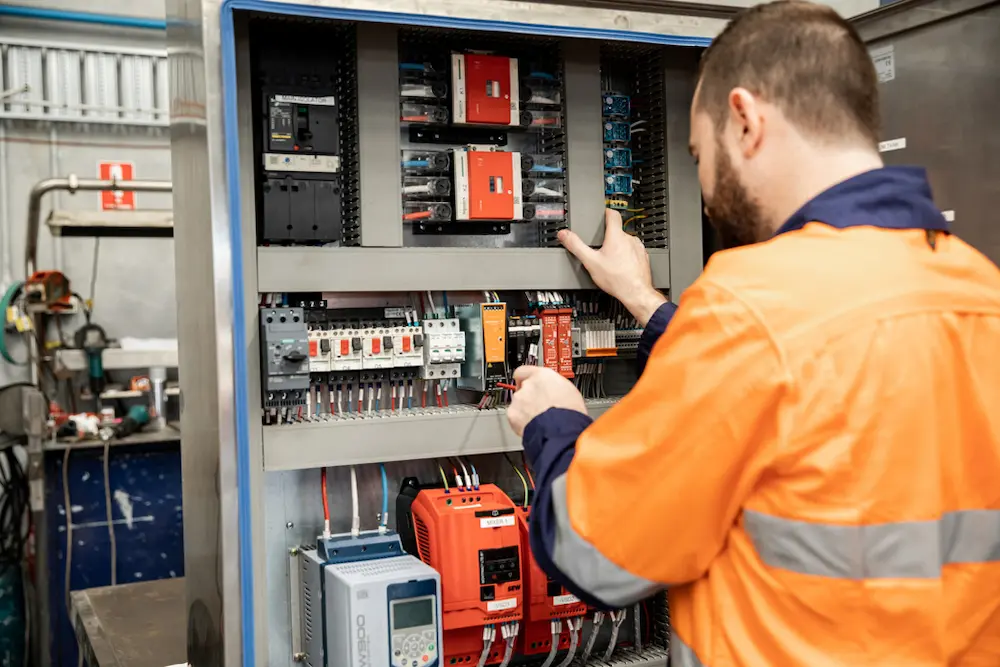
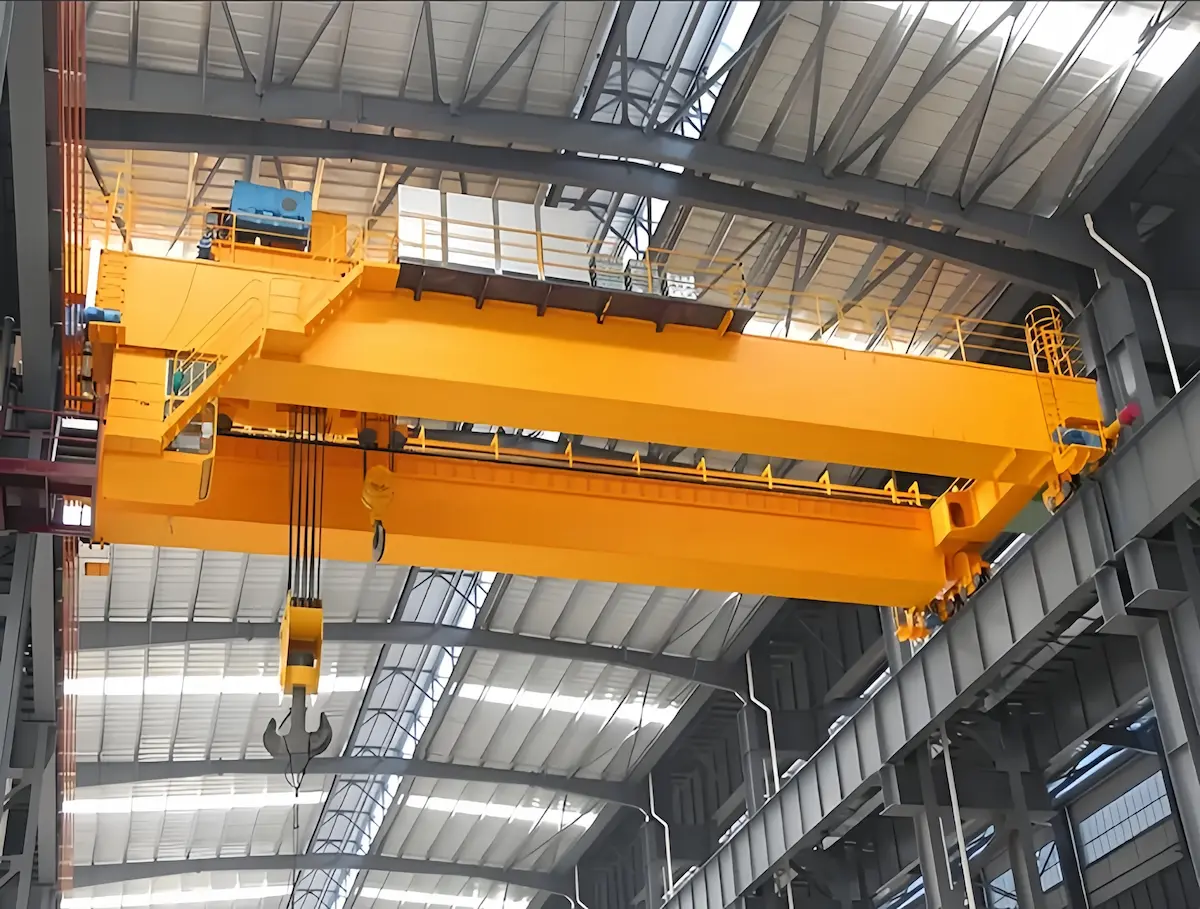
Selecting the correct IP rating is essential for cranes operating in dusty, humid, or corrosive environments. It directly affects safety, stability, and service life. A suitable protection level reduces failures, minimizes downtime costs, and ensures long-term efficiency.
Different environments have different protection requirements—from basic workshop protection to demanding moisture, dust, or chemical conditions. Scientific selection significantly reduces maintenance costs and enhances operational safety.
Contact HSCRANE now to ensure safe crane operation in any environment and achieve higher reliability with lower maintenance costs!
If you are focused on crane efficiency, safety, or energy optimization, understanding VFD technology is crucial. Inverter Control in Overhead Cranes: How VFD Improves Lifting Precision. Click here to explore the core functions, applications, and selection principles of crane VFD systems.