Welcome to visit our factory
Email : info@huasuicrane.com

Overhead cranes are core lifting equipment in modern industrial production, playing a critical role in manufacturing, metallurgy, power generation, warehousing, shipbuilding, and many other industries. Different working environments place varying demands on structural design, duty classification, protection rating, and control systems. Proper selection not only improves productivity but also reduces maintenance costs and operational risks.
This article analyzes typical working conditions and provides practical selection recommendations to help enterprises achieve efficient, safe, and sustainable crane operations.
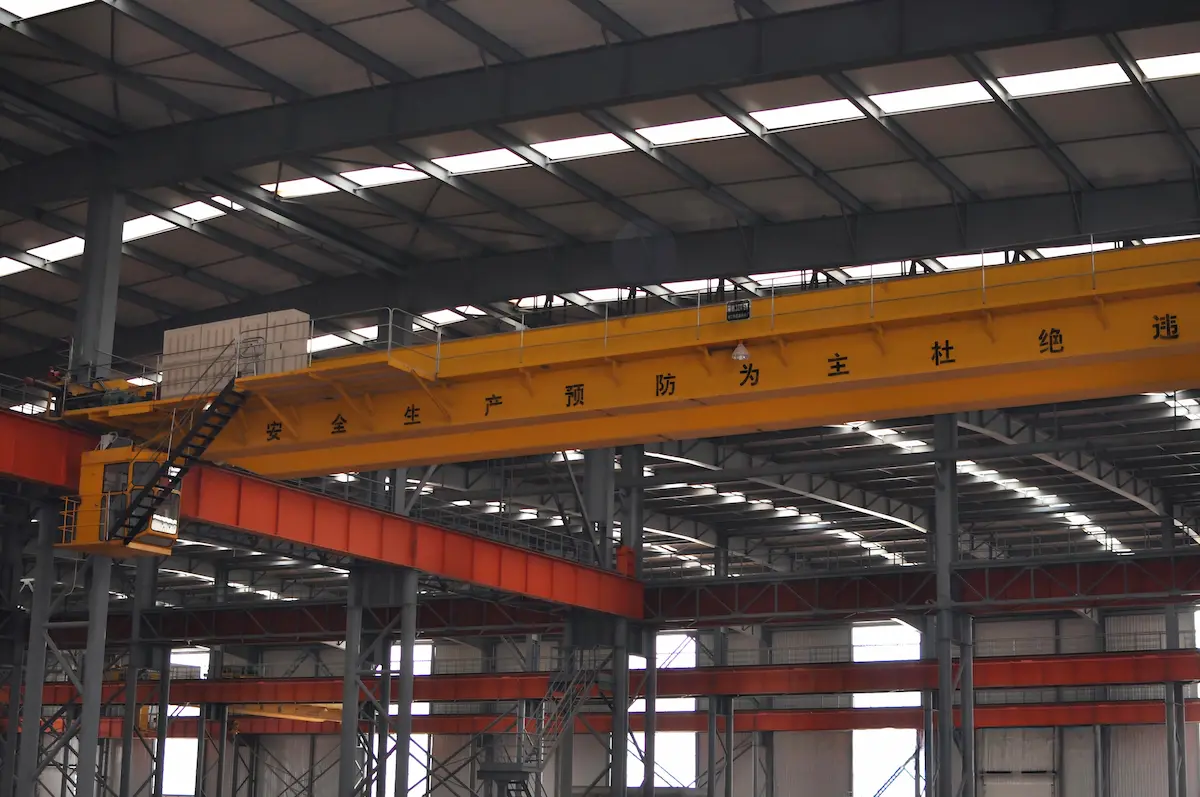
Applicable Industries: Machinery manufacturing, equipment assembly, structural fabrication
Working Characteristics: High usage frequency, stable loads, high positioning accuracy requirements
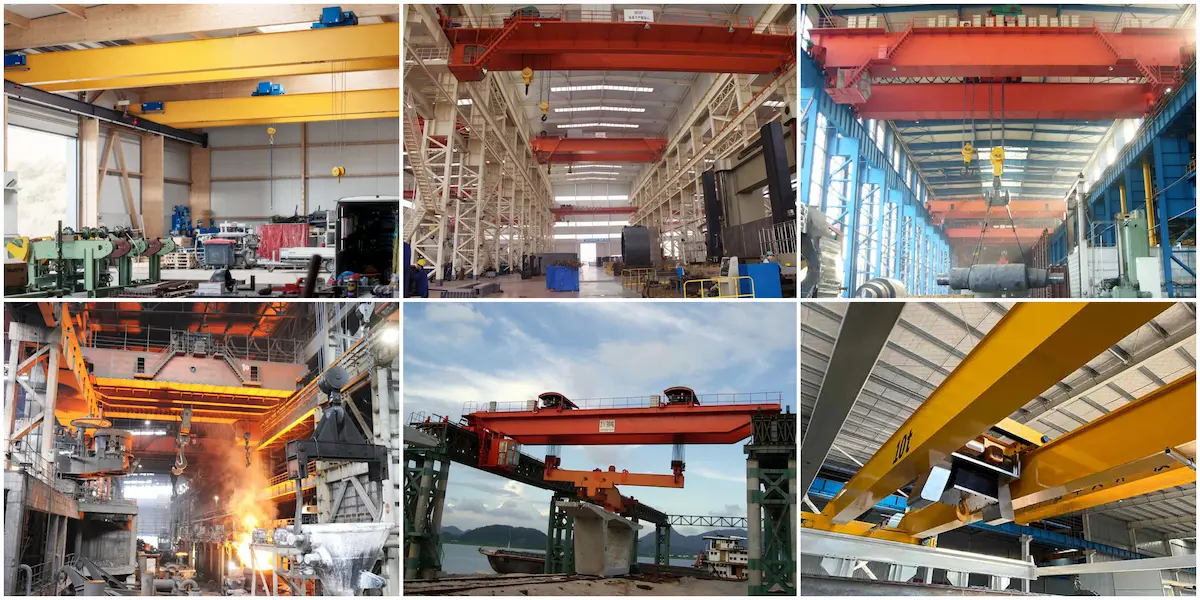
In standard factory environments, overhead cranes are mainly used for material handling, equipment installation, and production line support. These workshops typically have no corrosive gases or extreme temperatures.
Recommended Types:
Advantages:
Improves internal logistics efficiency, reduces manual handling costs, and supports automated production line integration.
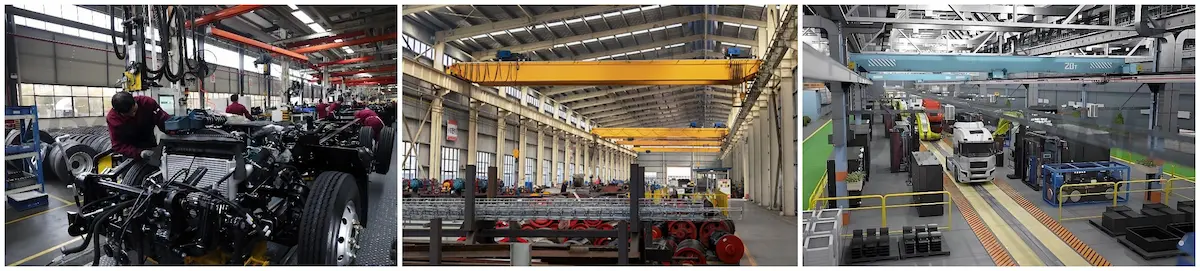
Applicable Industries: Steel structure manufacturing, mold factories, construction machinery plants
Working Characteristics: Large lifting capacity, long continuous operation
In heavy-duty environments, cranes often operate at A5–A7 duty class, requiring enhanced structural strength and motor performance.
Recommended Configuration:
Key Selection Considerations:
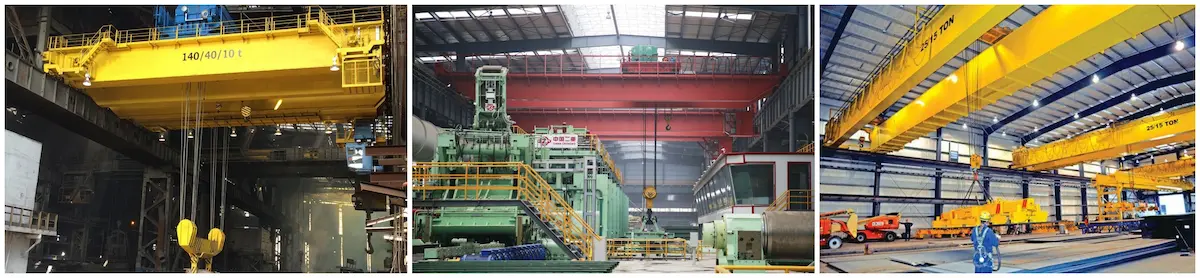
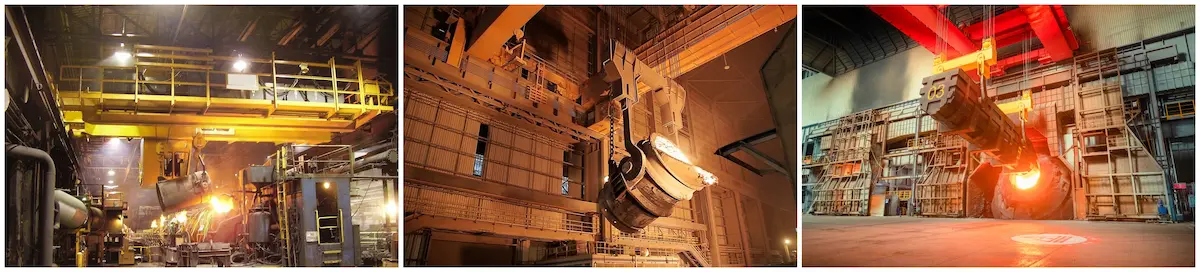
Applicable Industries: Steel mills, foundries, aluminum plants
Working Characteristics: High thermal radiation, heavy dust, continuous operation
Metallurgical environments impose extremely high safety and heat-resistance requirements. Overhead cranes are often used for handling molten metal ladles or high-temperature materials.
Recommended Type:
Critical Requirements:
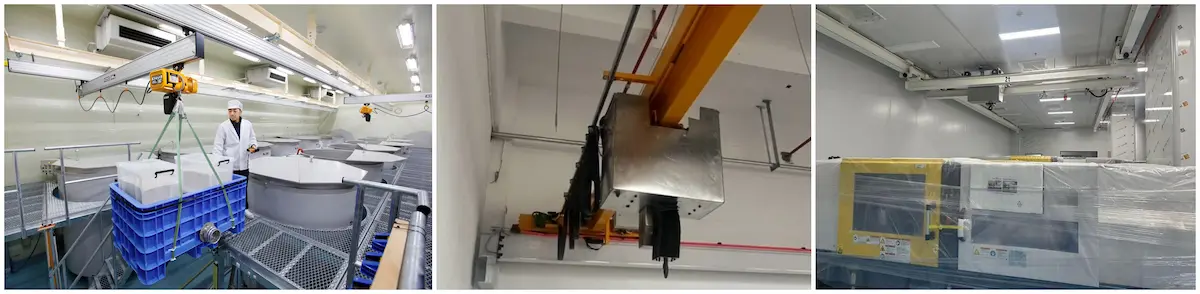
Applicable Industries: Food processing, pharmaceutical production, electronics manufacturing
Working Characteristics: High cleanliness standards, contamination-sensitive environment
In clean environments, cranes require anti-corrosion and dust-proof designs.
Recommended Configuration:
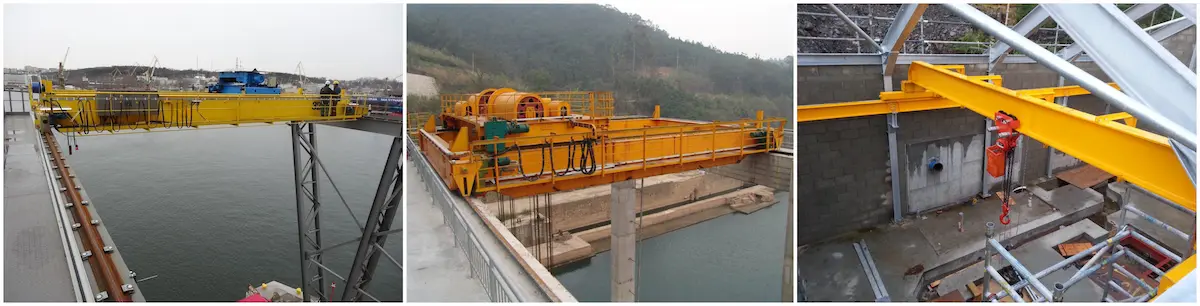
Applicable Industries: Logistics parks, power projects, precast beam yards
Working Characteristics: Wind loads, rain exposure, large temperature differences
Outdoor conditions require wind resistance, waterproofing, corrosion protection, and higher electrical protection ratings.
Recommended Solution:
|
Working Condition |
Recommended Type |
Duty Class |
Key Design Requirements |
Typical Industry |
|
Standard Workshop |
Single/Double Girder |
A3–A5 |
VFD control, stable operation |
Machinery manufacturing |
|
Heavy Duty |
Double Girder |
A5–A7 |
Reinforced structure, dual braking |
Steel fabrication |
|
High-Temperature Metallurgy |
Metallurgical Double Girder |
A7–A8 |
Heat resistance, radiation protection |
Steel mills |
|
Clean Environment |
Modified Single Girder |
A3–A5 |
Dust-proof, corrosion-resistant |
Food & pharma |
|
Outdoor Environment |
Double Girder |
A5–A6 |
Windproof, waterproof, anti-corrosion |
Logistics parks |
When selecting an overhead crane, conduct a comprehensive assessment:
Scientific selection improves operational efficiency and extends equipment lifespan.
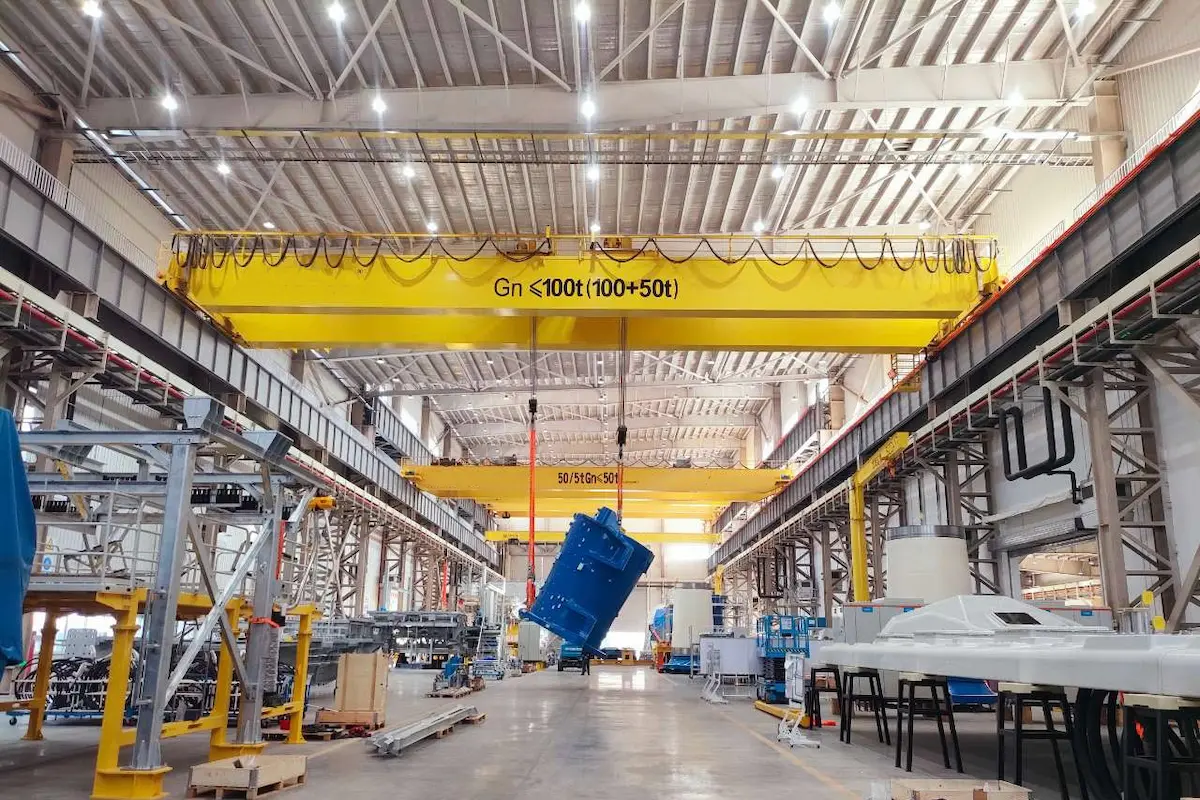
Different working environments impose distinct requirements on overhead cranes. Proper matching of structure, duty class, and control system not only ensures operational safety but also significantly enhances productivity. For special industries and complex conditions, customized overhead crane solutions will become an increasingly important trend in industrial development.
Contact HSCRANE today to obtain a professional overhead crane selection solution and ensure efficient, safe, and stable lifting performance for your factory under any working condition.
This document is for reference only. Specific operations must strictly comply with local laws and regulations and equipment manuals.