Welcome to visit our factory
Email : info@huasuicrane.com


This article explores trends and future outlooks for overhead crane intelligent control system. We analyze the current application and core value of smart technology in cranes. First, we introduce basic concepts and advantages over traditional control methods. Then, we examine progress in automation, anti-sway technology, IoT, and artificial intelligence. We focus on overhead crane’s unmanned operation, remote maintenance, smart safety, and energy saving. Combined with smart manufacturing, we look at deep integration with digital systems. Finally, we highlight HSCRANE technical advantages and solutions for intelligent equipment upgrades.
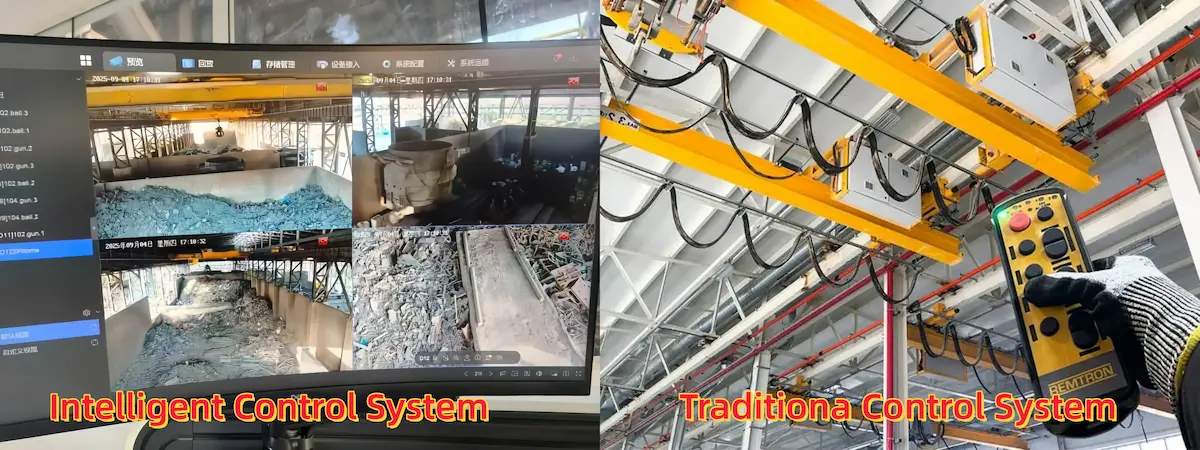
Under Industry 4.0, the crane industry is accelerating its digital and intelligent transformation. Overhead cranes are moving from manual control to smart systems. These systems achieve automated and high-precision operations. Intelligent control plays a key role in improving efficiency and reducing human risks. It has become a vital support for modern industrial upgrades.
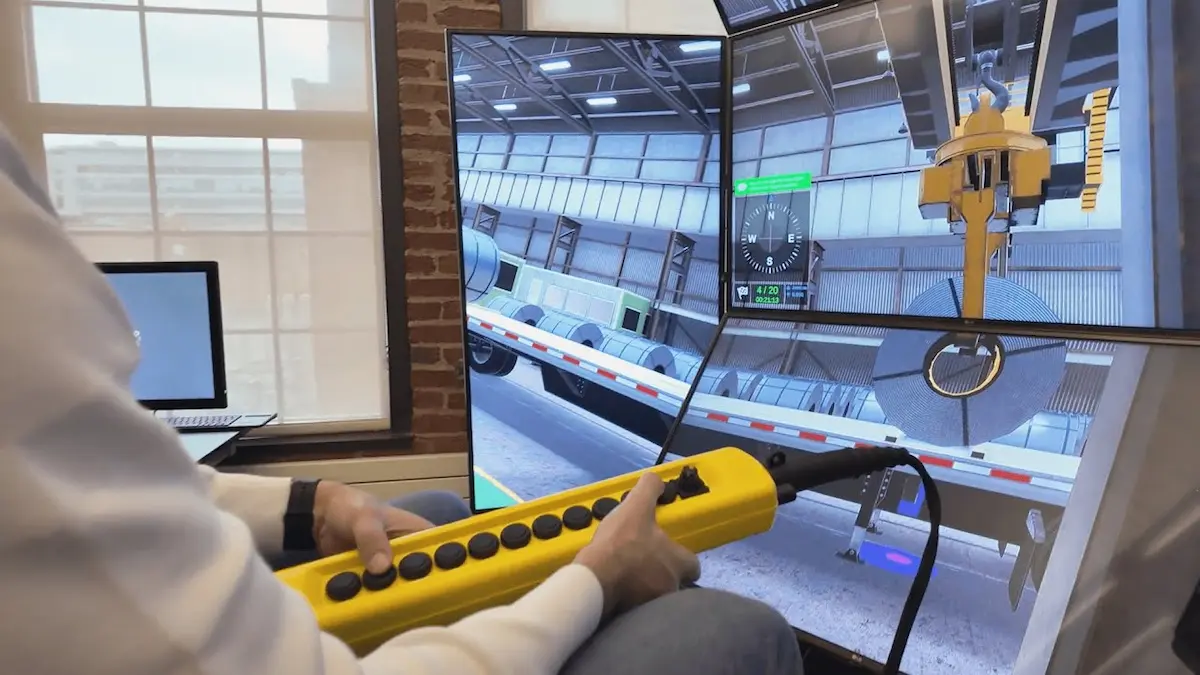
In modern lifting, intelligent control is no longer just an accessory. It is a critical part of the operation. By integrating advanced hardware and software, it enables a leap toward “smart tasks.”
An overhead crane intelligent control system integrates automation, data collection, information processing, and remote communication. It uses PLCs, sensors, industrial networks, and algorithms for real-time monitoring. This system reduces manual intervention and improves safety. It also features data analysis and fault warning capabilities. These functions support better maintenance and management decisions.
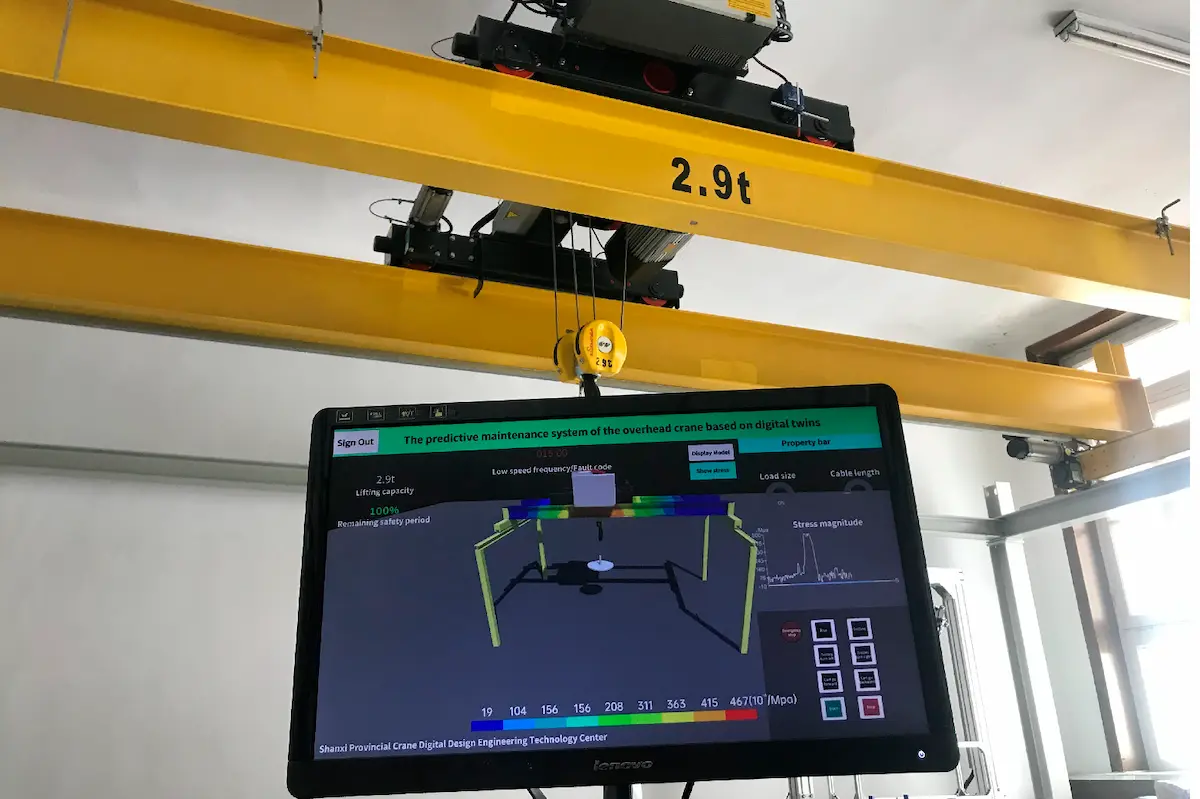
To show technical advantages, this table compares traditional and intelligent control for overhead cranes:
|
Dimension |
Traditional Control |
Intelligent Control |
|
Control Method |
Mainly manual operation. |
Automated or semi-automated. |
|
Precision |
Relies on operator experience. |
High-precision positioning and path control. |
|
Safety |
High impact from human factors. |
Multiple protections and smart warnings. |
|
Data Capability |
No data or simple records. |
Real-time data collection and analysis. |
|
Maintenance |
Manual on-site maintenance. |
Remote monitoring and predictive care. |
|
Scalability |
Low expansion potential. |
Supports modular upgrades and integration. |
|
Efficiency |
Relatively low efficiency. |
High, stable, and sustainable operation. |
To achieve ±5mm absolute positioning accuracy, HSCRANE moves beyond traditional limit switches. We use Laser Distance Measurement combined with Absolute Encoders on wheel axles. We even equip spreaders with 3D Machine Vision Cameras. These cameras automatically identify the contours and angles of target materials.
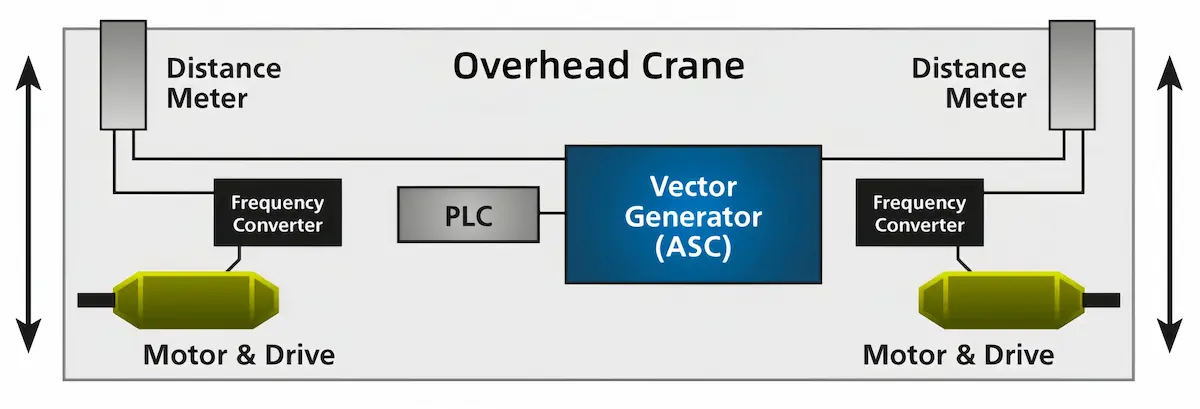
Intelligent overhead cranes are not just a collection of technologies. They represent a deep fusion of several frontier fields. Here are the four key technologies driving efficient smart crane operations:
Automation is the foundation of smart overhead cranes. It changes the traditional model that relies solely on operator experience.
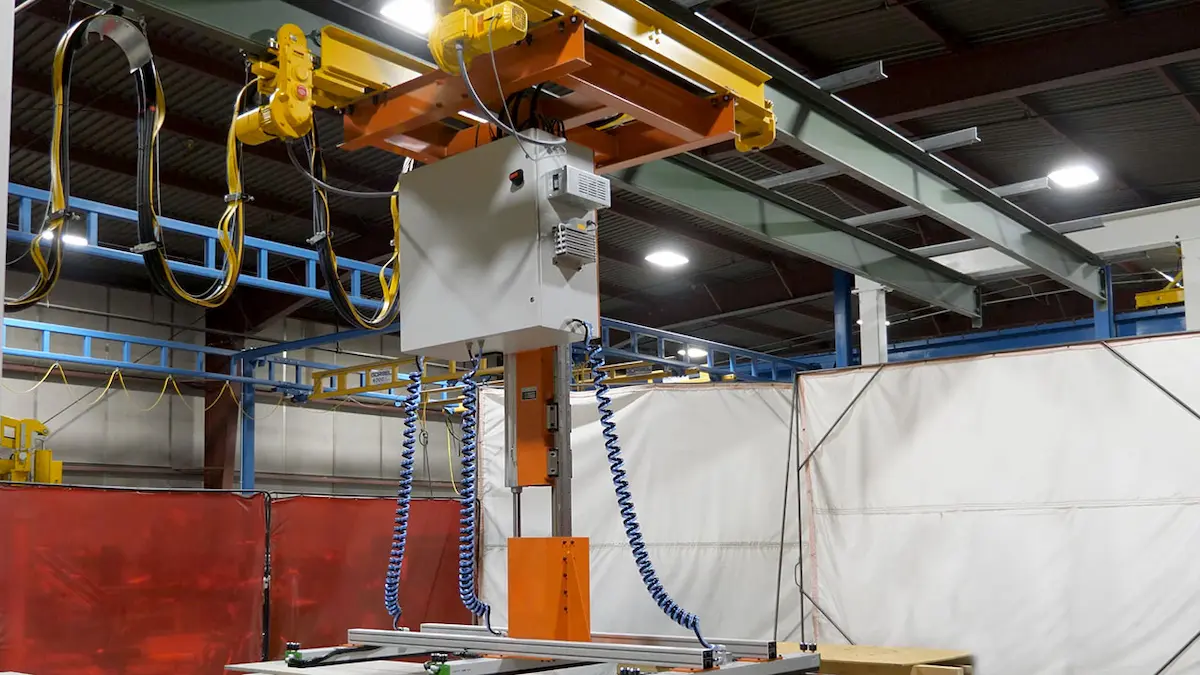
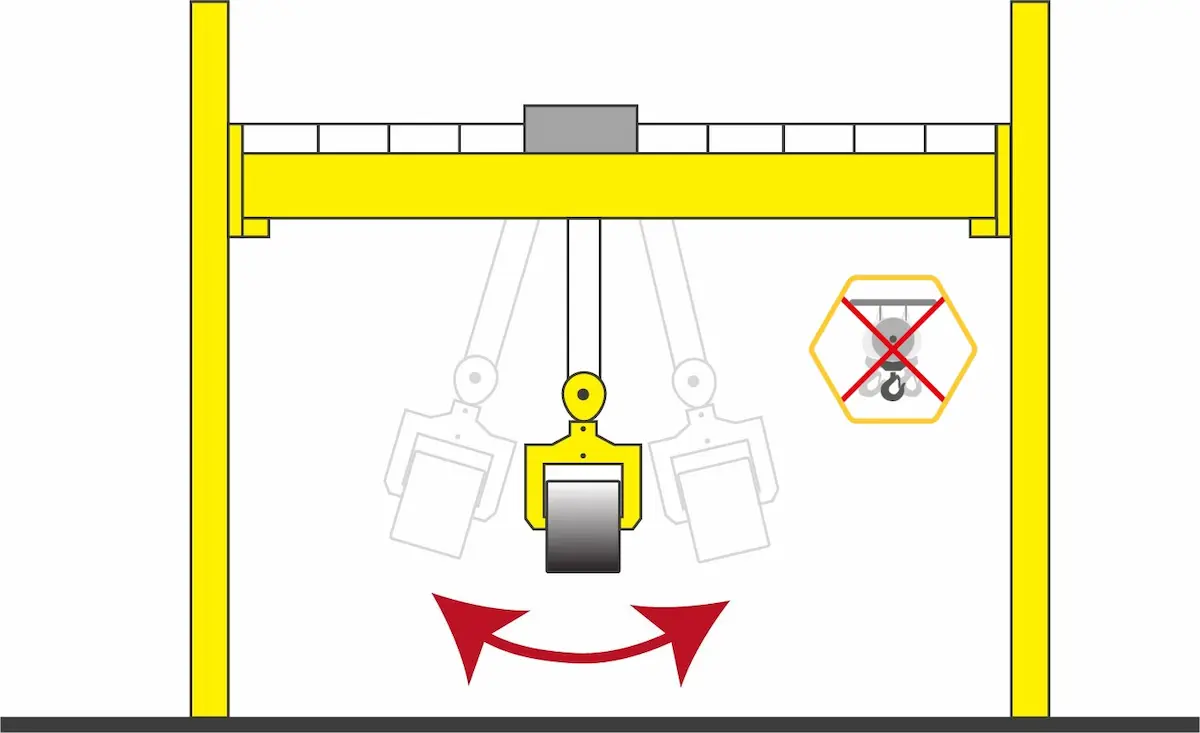
Hook swinging has always been a core pain point for efficiency and safety.
HSCRANE offers solutions from inverter-based Open-loop Electronic Anti-sway to infrared camera-based Closed-loop Vision Anti-sway. These systems completely eliminate the pendulum effect of loads.
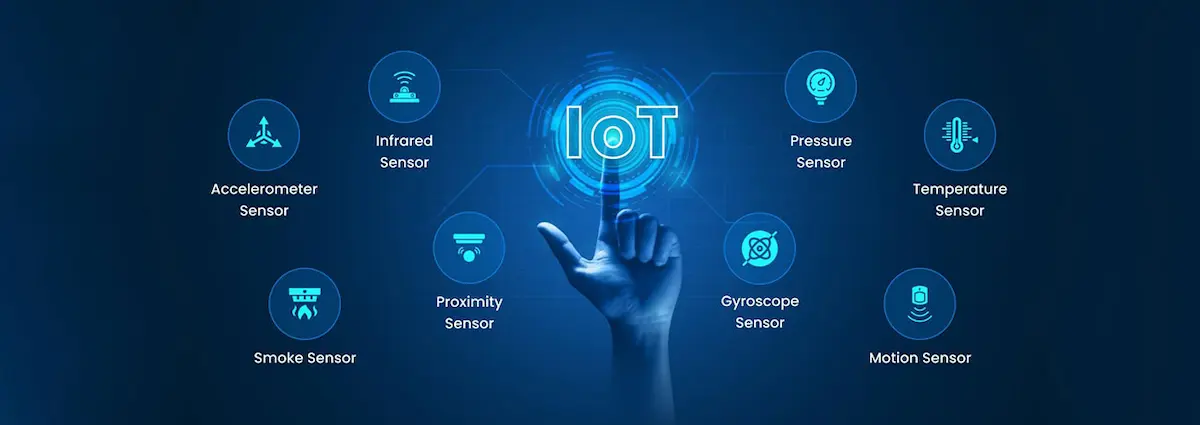
IoT technology gives overhead cranes the ability to connect with people and other machines.
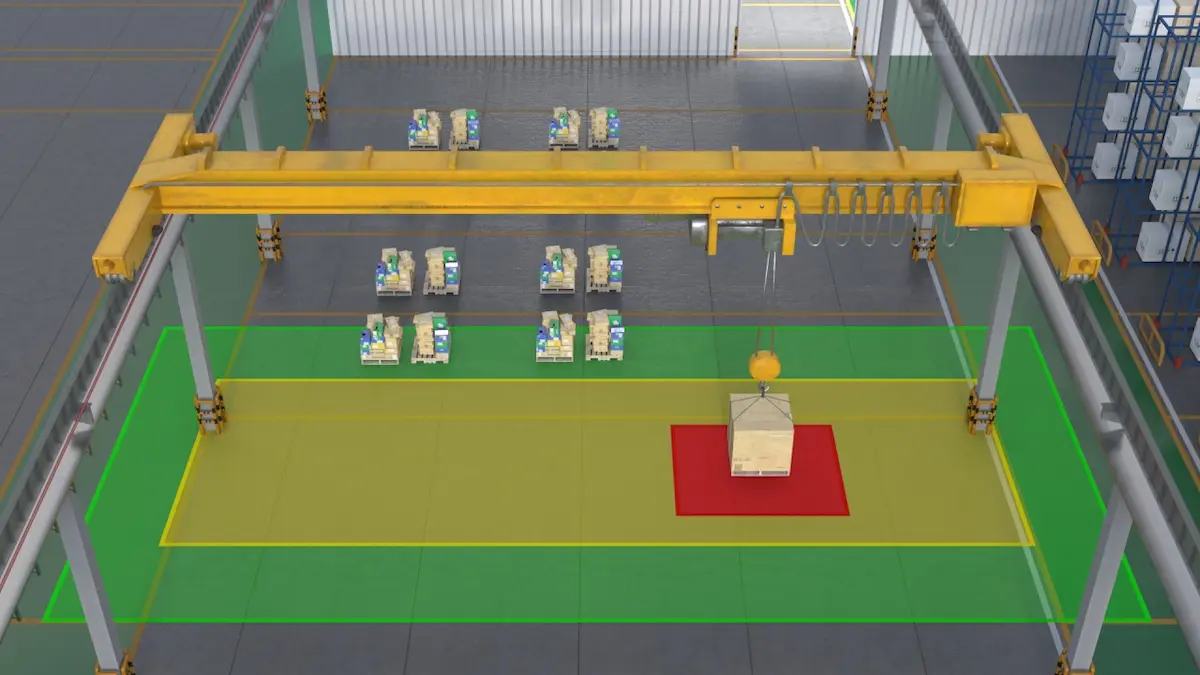
The addition of AI evolves the overhead crane from an executor into a thinker.
The following table outlines five dimensions of evolution from traditional to intelligent modes and their core values.
|
Trend Dimension |
Traditional Mode |
Intelligent Future Trend |
HSCRANE Core Empowerment |
Customer Value & Benefits |
|
Operation Mode |
Manual driving: relies on driver experience in harsh areas. |
Full automation: uses LiDAR and 3D vision for auto-stacking. |
Unmanned crane system: integrates with WMS/MES for auto-dispatching. |
Eliminates safety risks and boosts frequency by over 30%. |
|
Maintenance |
Reactive repair: fix after failure; relies on manual checks. |
Digital remote O&M: uses digital twin technology for real-time health checks. |
Cloud diagnostic platform: monitors component life and predicts part replacement. |
Reduces downtime by 50% and cuts travel/repair costs. |
|
Safety Risk |
Passive protection: simple mechanical limits; weak hazard sensing. |
Active warning and avoidance: smart identification of people and obstacles. |
Multi-digital fencing: integrates AI human recognition and no-entry logic. |
Creates an intrinsically safe factory meeting global standards. |
|
Customization |
Standard products: fixed structure; hard to adapt to complex sites. |
Modular and personal: software-defined cranes allow Lego-like upgrades. |
Industry-specific solutions: deep smart interfaces for steel, paper, and ports. |
Fits production processes perfectly and supports life cycle upgrades. |
|
Energy Efficiency |
Energy black box: braking energy is lost as heat; many idle paths. |
Green development: smart energy management and power regeneration. |
Intelligent energy recovery: feeds descending potential energy back to the grid. |
Lowers carbon footprint and supports green manufacturing policies. |
The core of overhead crane intelligence lies in data-driven autonomous decisions. Systems are replacing humans in directing machines. For enterprises, following this trend means a leap in efficiency. It is a key step toward green, safe, and digital transformation.
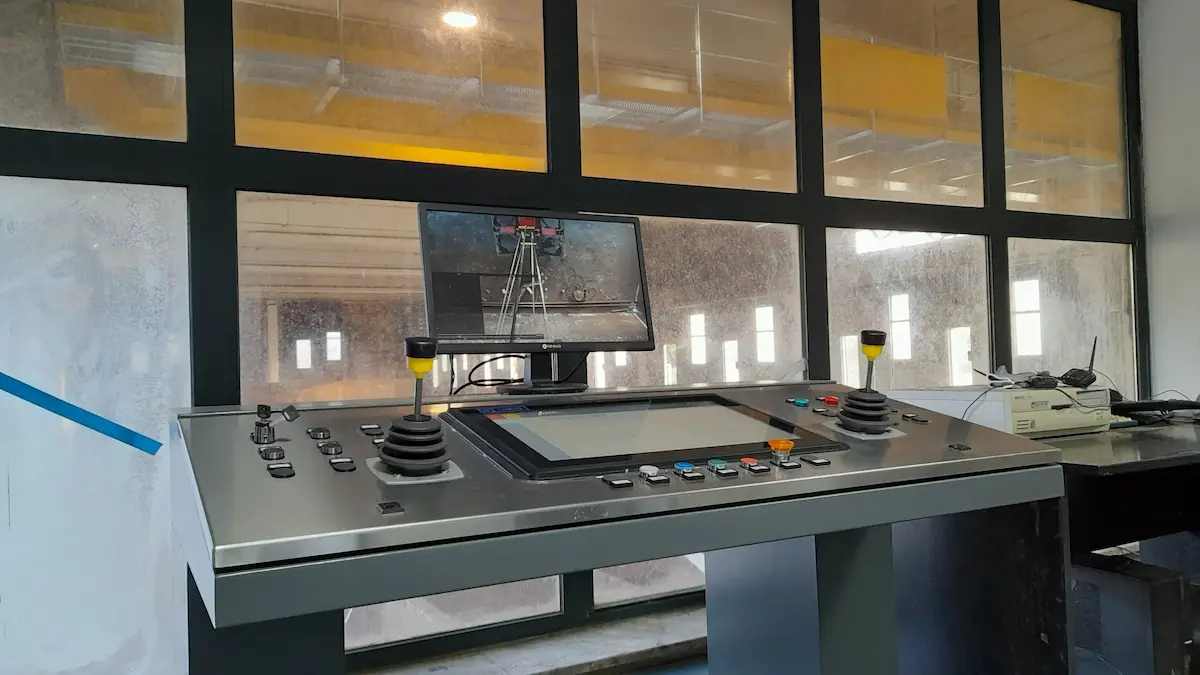
|
Industry |
Environmental Pain Point |
Smart System Core Function |
Expected Benefit |
|
Steel & Metallurgy |
High heat, dust, and blocked vision. |
3D vision recognition and remote cabin control. |
Improves safety and keeps workers away from danger. |
|
Automated Warehousing |
High frequency and need for entry records. |
Seamless integration with WMS/MES systems. |
Enables digital material management with zero errors. |
|
General Manufacturing |
Precision lifting and flexible production. |
Micro-speed function and multi-crane synchronization. |
Protects precision parts and enables multi-crane linkage. |
|
Paper & Energy |
Continuous work with high downtime losses. |
Predictive maintenance and remote status monitoring. |
Eliminates failures early to ensure production continuity. |
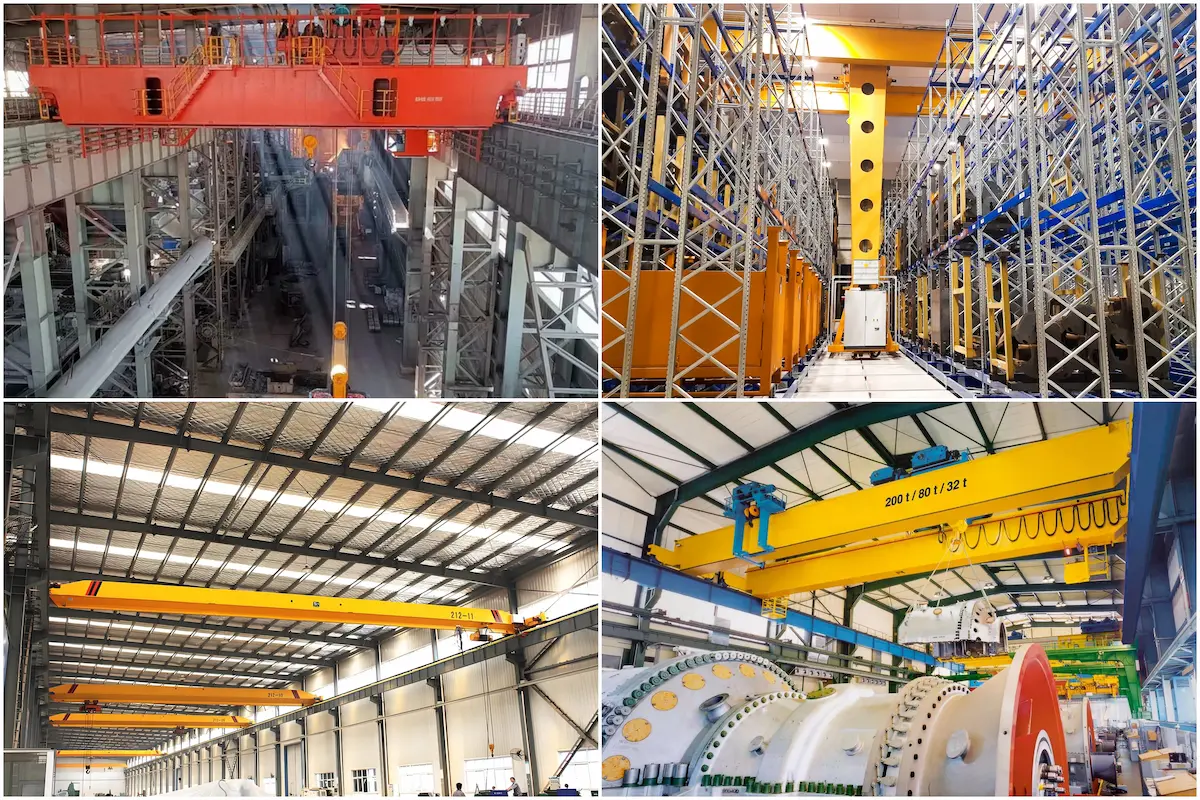
In Industry 5.0, overhead cranes will evolve into highly perceptive and collaborative “logistics handling robots.” They will move beyond being simple vertical lifting tools.
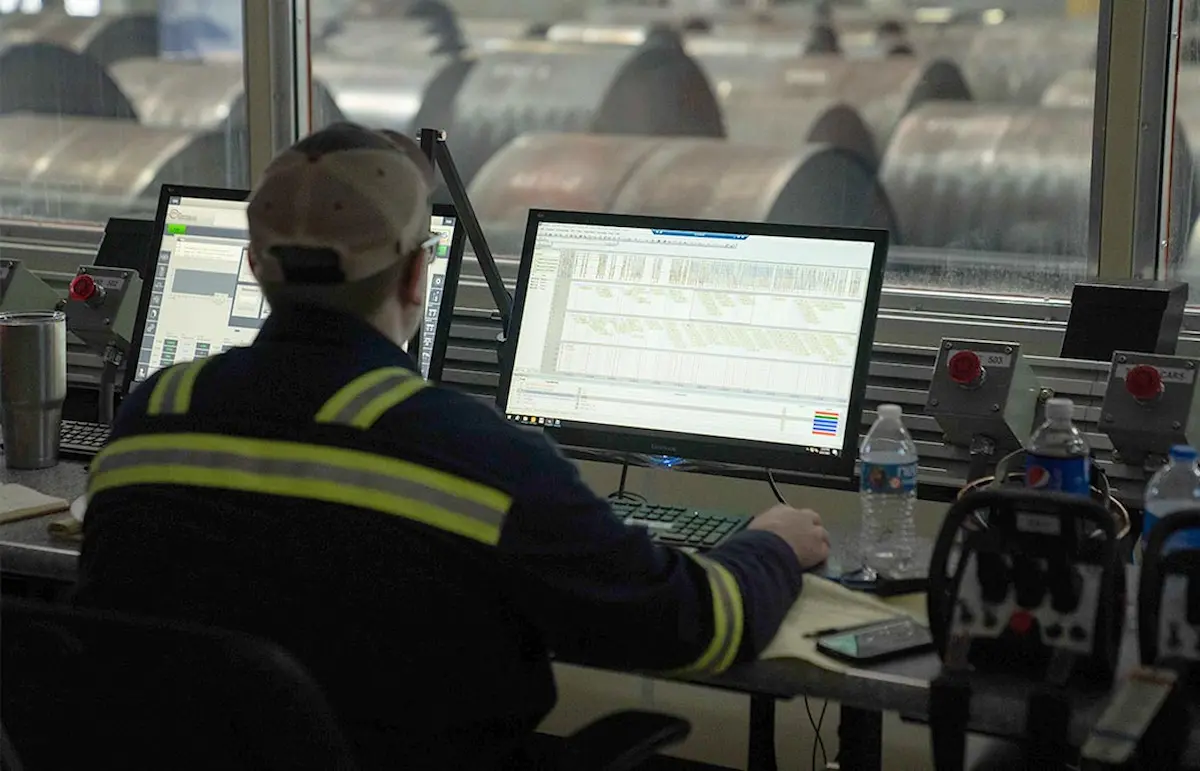
In future smart factories, overhead cranes will directly participate in the production line.
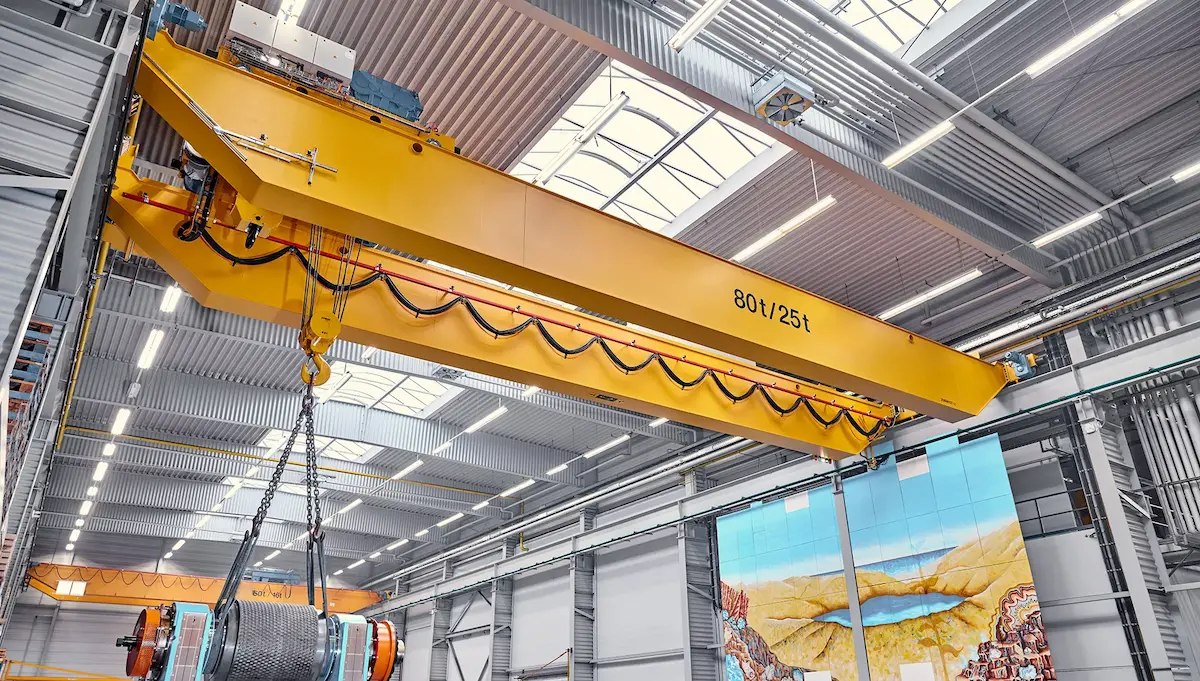
“Data synergy” will be a basic skill for future overhead crane intelligent control systems.
HSCRANE intelligent control systems feature standard PROFINET and EtherNet/IP interfaces. They fully support the OPC UA protocol. Our cranes act as standard nodes that mainstream systems like Siemens and Rockwell can schedule.
AI will evolve from a simple tool into the crane’s “independent consciousness.”
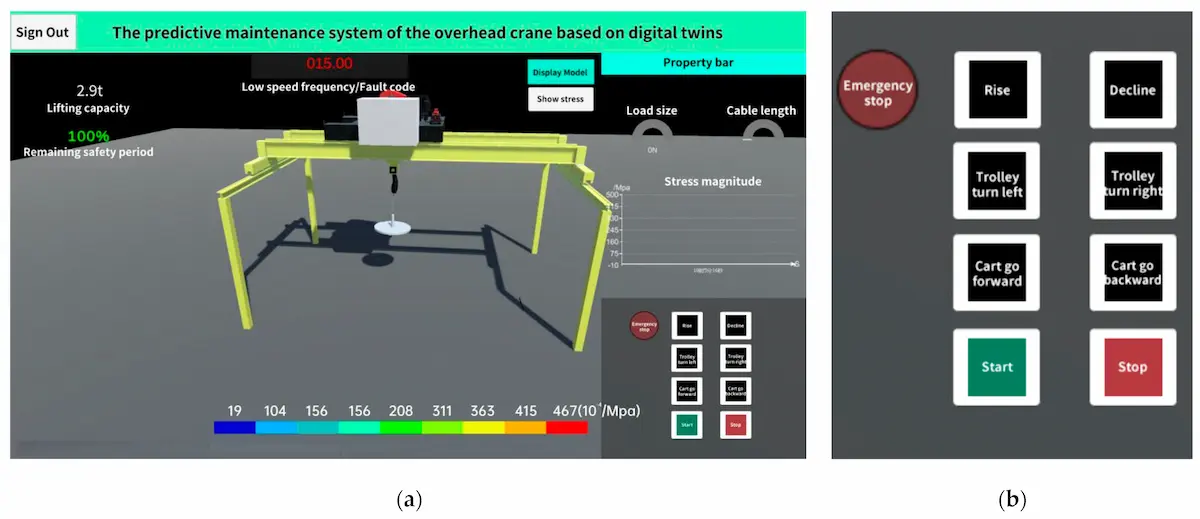
Digital Twin technology will transform full life cycle management for cranes.
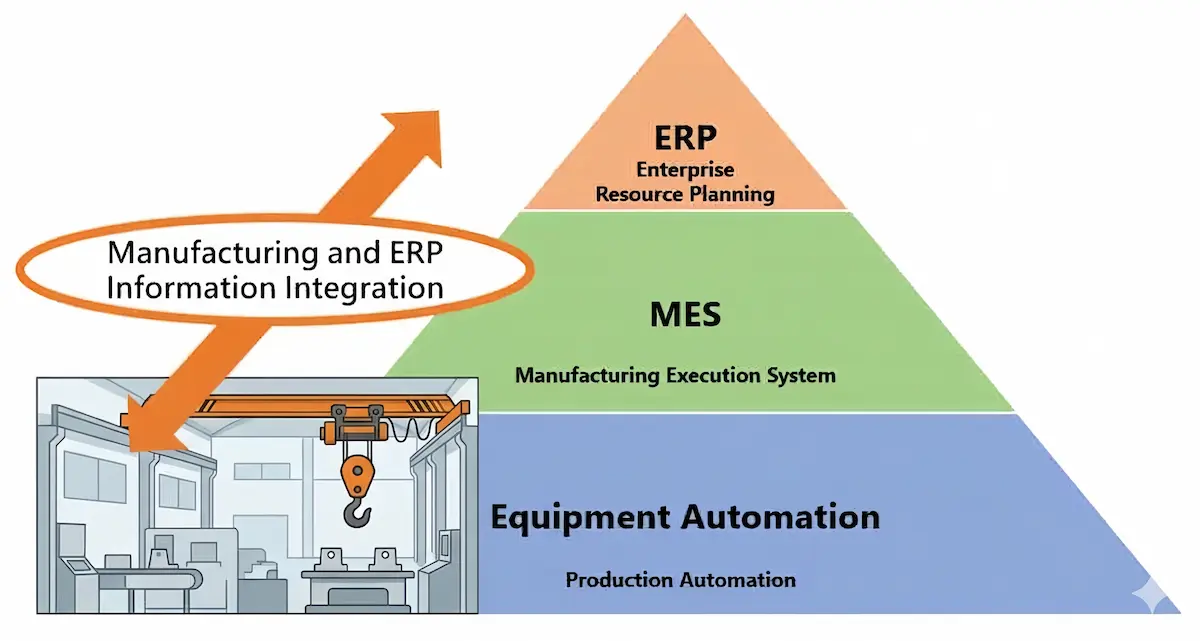
In an Industry 4.0 factory, an overhead crane cannot be an isolated island of data. Traditional relay-based cranes require extensive, costly hardwiring to communicate with a plant’s central control room.
The HSCRANE Smart Integration:
Our Intelligent Control Systems are built on advanced PLC architectures (e.g., Siemens S7 or Allen-Bradley) equipped with native PROFINET, Modbus TCP, and EtherNet/IP communication protocols.
Crucially, we fully support the OPC UA (Open Platform Communications Unified Architecture) standard. This allows your facility’s MES (Manufacturing Execution System) or WMS (Warehouse Management System) to directly send XYZ coordinate missions to the crane without human data entry. Meanwhile, the crane feeds back real-time telemetry—including load weight, VFD fault codes, motor temperatures, and cycle counts—directly into your ERP dashboards. This creates a true “Order-Driven Production” loop and enables precise predictive maintenance.
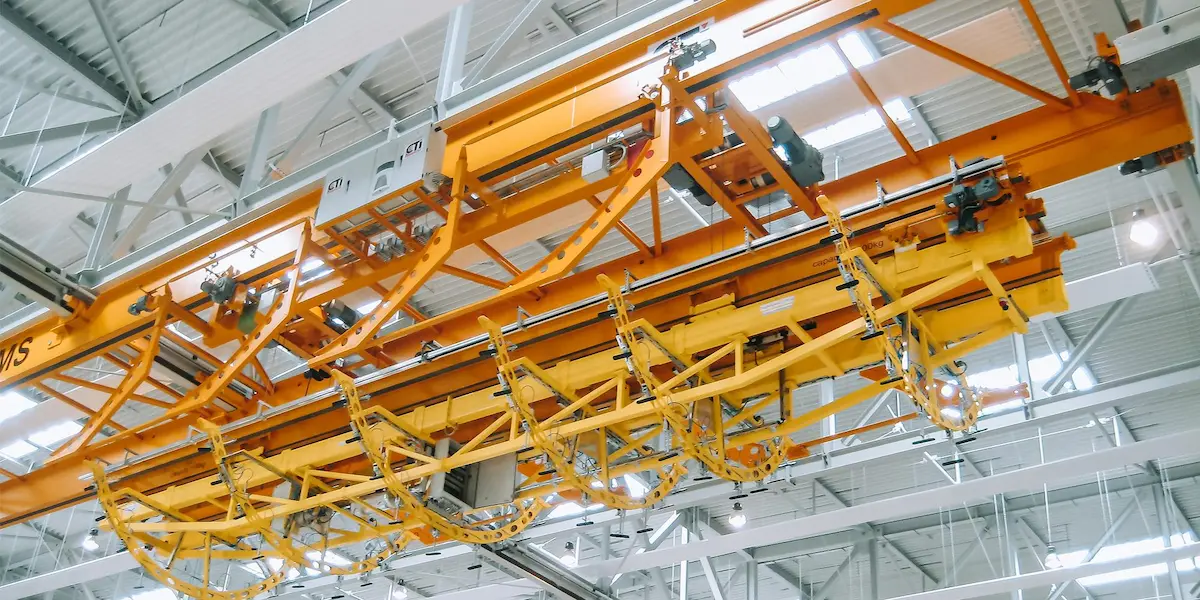
As a leading material handling supplier, HSCRANE turns advanced control technology into productivity. Our overhead crane intelligent control systems for overhead cranes offer these core advantages:
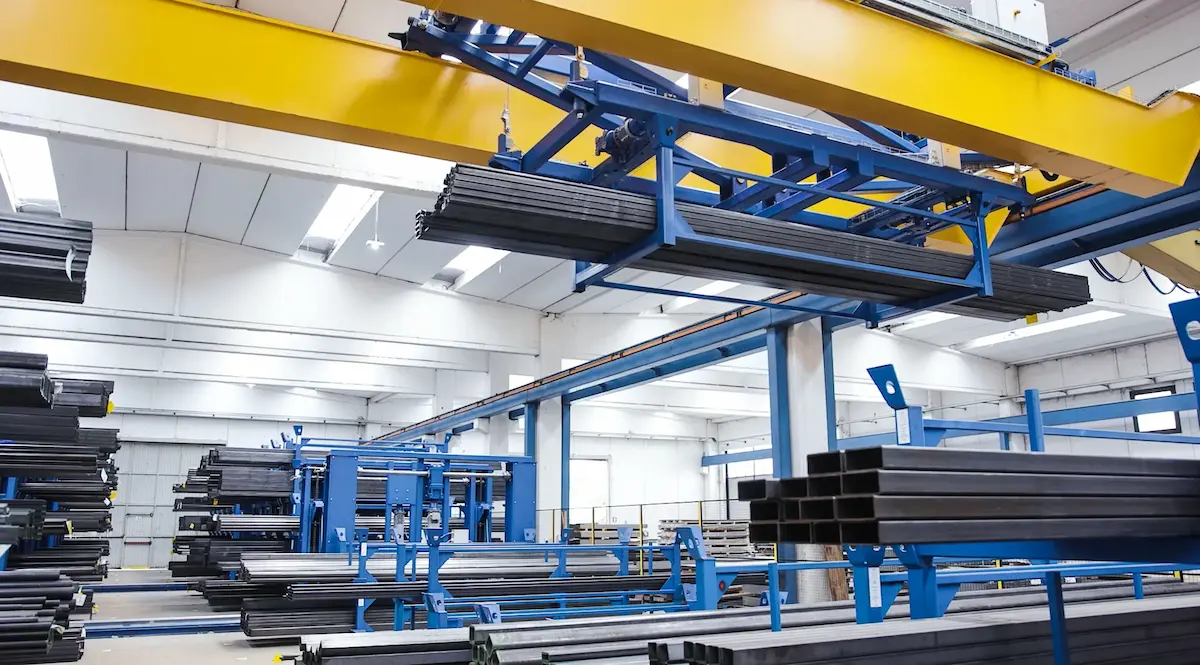
Under Industry 4.0, overhead cranes are evolving into highly intelligent logistics robots. Intelligent control systems are more than just technical upgrades. They represent the core competitiveness for increasing efficiency and safety. From millisecond precise positioning to big data fault prediction, intelligence is essential for modern factories. Choosing an advanced smart solution gives your business a “digital brain.” HSCRANE stays at the forefront of crane innovation with deep technical expertise. We help every client gain an advantage in a competitive market.
Ready to start your factory’s intelligent transformation?
Contact the HSCRANE expert team now for a customized smart lifting solution. We provide professional support for new equipment or automation upgrades.
[Click to Get Your Intelligent Lifting Solution]
You may also be interested in:
Is your warehouse still relying on traditional lifting under growing pressure? Smart overhead cranes are the performance benchmark for intelligent warehousing systems.
Read more: [Applications and Advantages of Overhead Cranes in Modern Warehouse Logistics Systems]
Q1: Can traditional overhead cranes be upgraded to overhead crane intelligent control systems?
A1: Yes. HSCRANE provides professional automation retrofit services. By adding PLCs, sensors, and anti-sway modules, traditional cranes gain precise positioning and remote monitoring. This significantly boosts the efficiency and safety of old equipment.
Q2: Does intelligent anti-sway technology really improve production efficiency?
A2: Yes. In traditional operations, manual counter-swinging takes up about 30% of the cycle time. Smart anti-sway technology ensures the hook stays stable during travel and stops. This saves manual alignment time and increases overall efficiency by over 20%.
Q3: Is the initial investment cost for a smart control system very high?
A3: The initial cost is slightly higher than traditional setups. However, it lowers labor costs and equipment wear. It also reduces downtime through preventive maintenance. Most clients achieve a full Return on Investment (ROI) within 1-2 years.
Q4: Does an overhead crane intelligent control system require higher technical skills from operators?
A4: No, intelligence actually makes operation simpler. HSCRANE systems feature a user-friendly digital graphic interface. Since the system handles complex logic like positioning, new operators can learn quickly. This reduces reliance on highly experienced drivers.
Q5: How is the data security of remote monitoring and cloud platforms guaranteed?
A5: We prioritize data security. The HSCRANE smart system uses industrial-grade encrypted protocols. We support private cloud deployment or local closed-loop networks. Multi-level permissions and firewalls ensure your production data remains safe from leaks.
This document is for reference only. Specific operations must strictly comply with local laws and regulations and equipment manuals.