Welcome to visit our factory
Email : info@huasuicrane.com


This article systematically analyzes the key role of overhead cranes in heavy-load handling, space utilization, logistics optimization, and automation integration. Combined with raw material storage, logistics centers, and manufacturing warehouses, it explains efficiency and safety benefits. Compared with forklifts and gantry cranes, it highlights advantages in large-scale heavy-duty warehousing. The article also introduces HSCRANE solutions in customization, intelligent control, and service support.
With warehousing developing toward large-scale, intensive, and intelligent models, heavy-load and high-frequency operations are common. Higher performance and reliability are required for lifting equipment. As key equipment, overhead cranes offer strong capacity, wide coverage, and stable operation. It improves space utilization and turnover efficiency, supporting safe and efficient logistics systems.
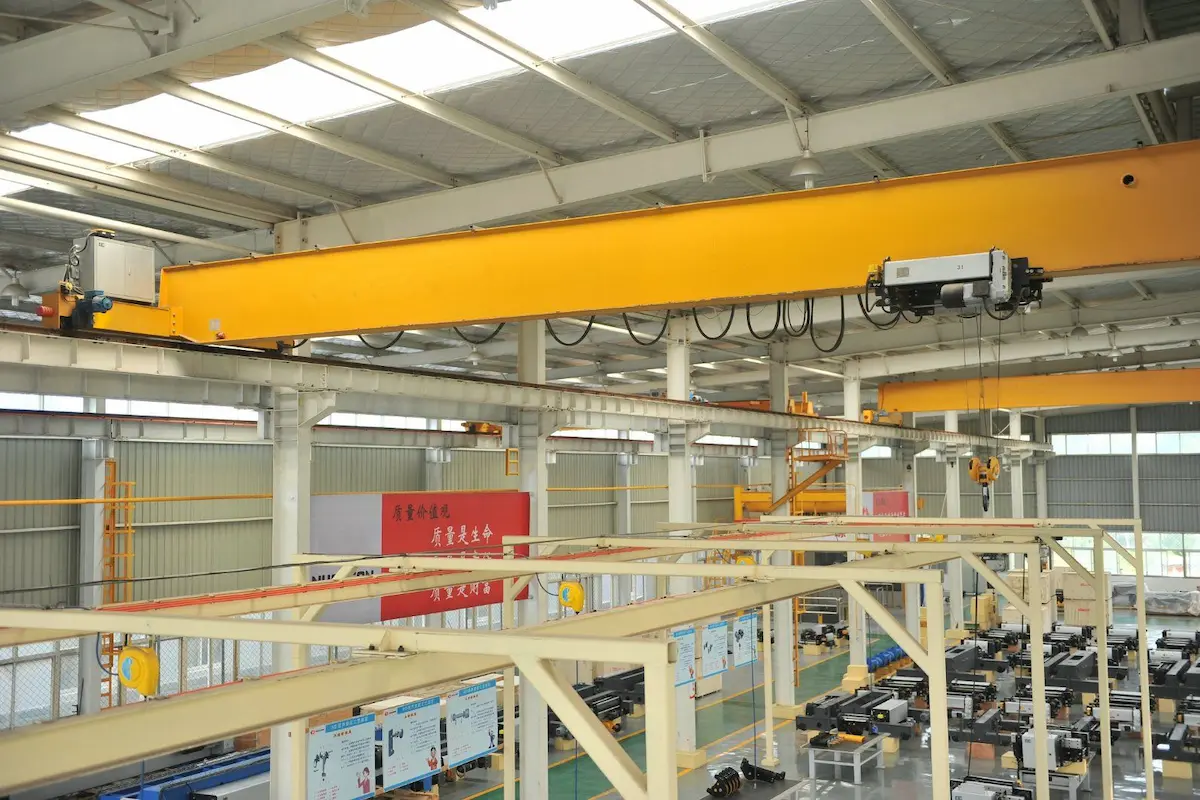
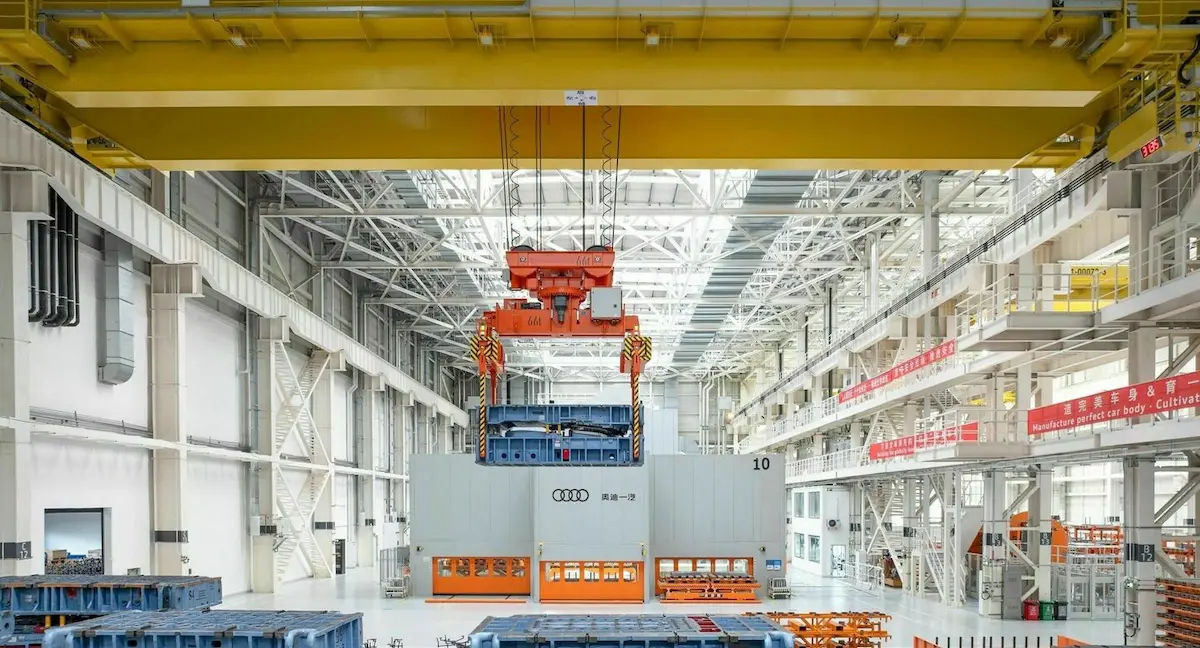
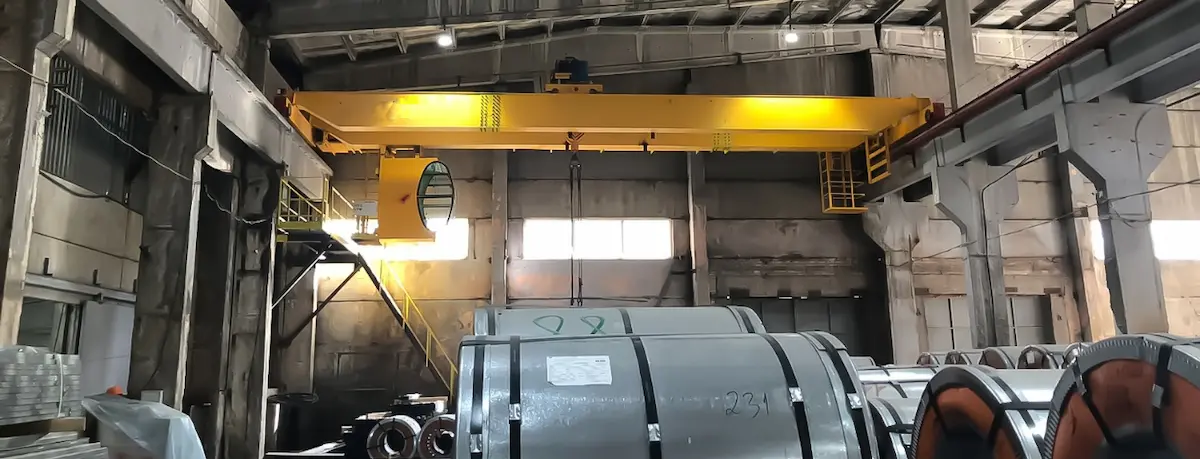
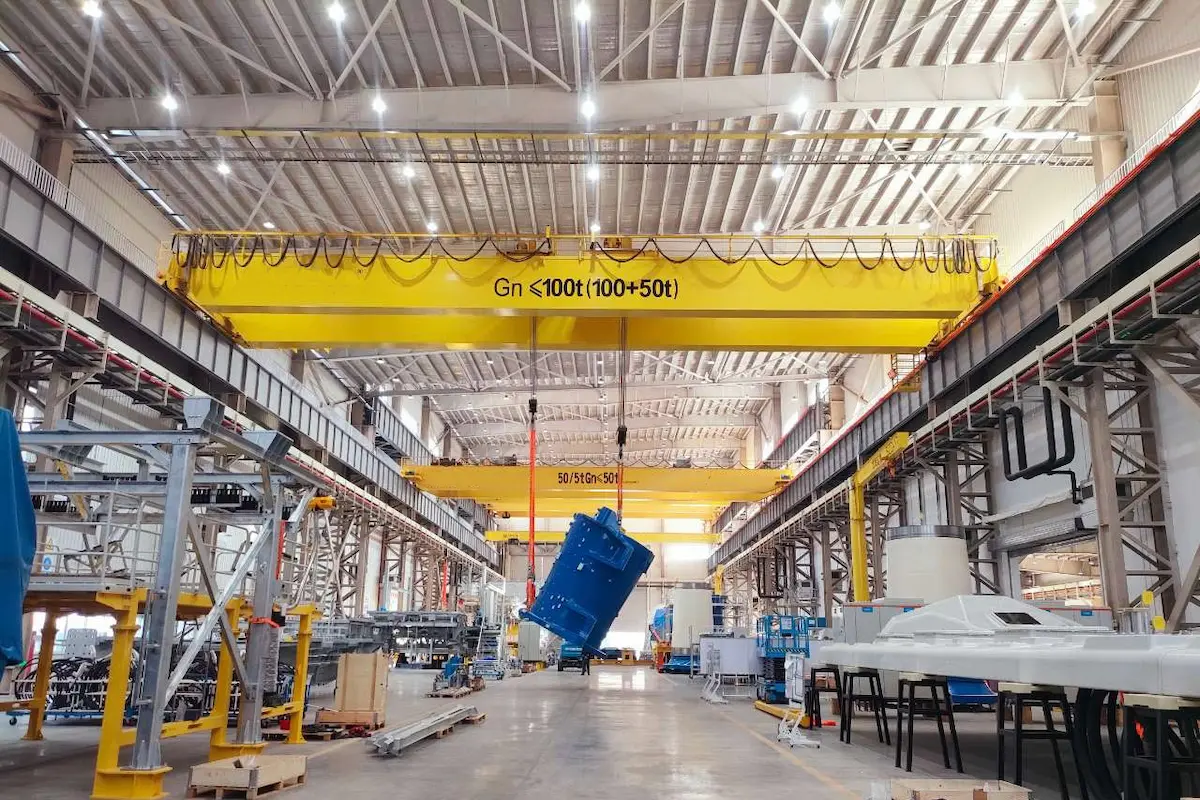
In steel warehouses, equipment depots, and component storage areas, materials are heavy, varied, and frequently handled. Overhead crane offers strong capacity and stable operation for efficient storage and transfer of steel, machinery, and large components, meeting safety and efficiency demands. Its top-running design saves floor space, enabling high stacking and three-dimensional layouts, improving space utilization and reducing reliance on manual handling and forklifts.
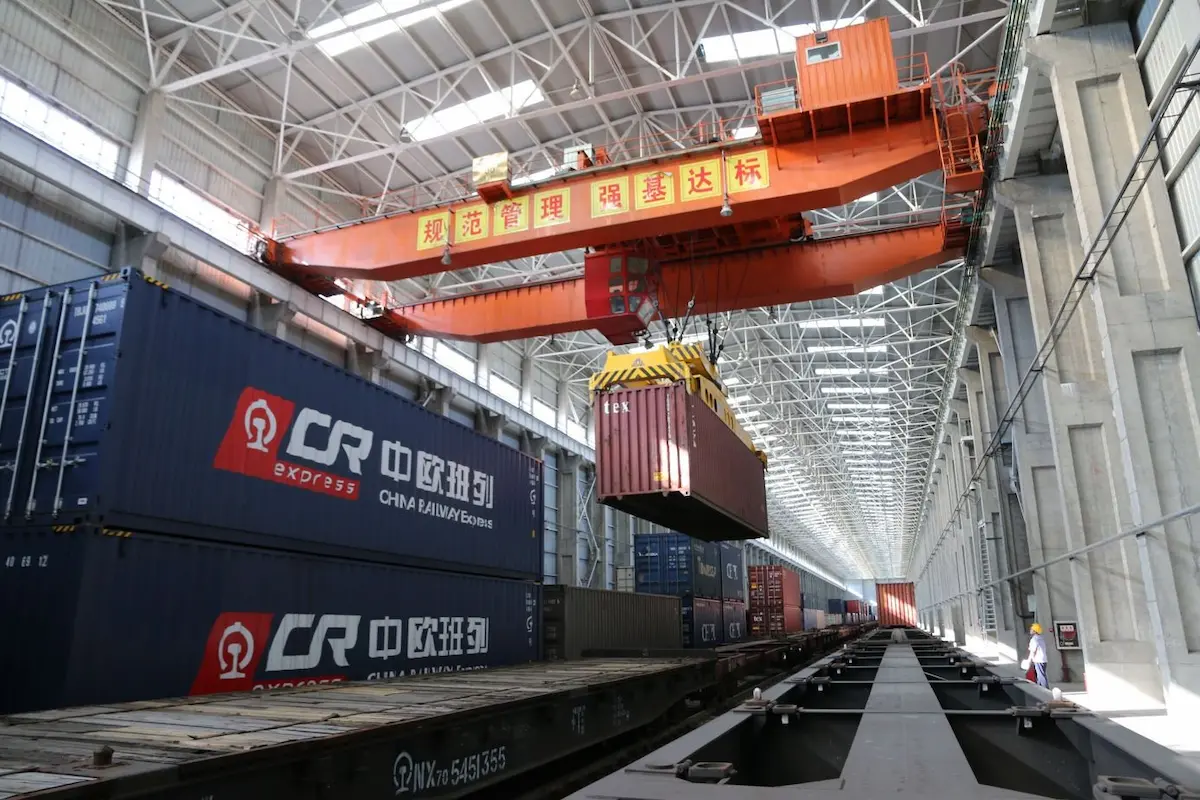
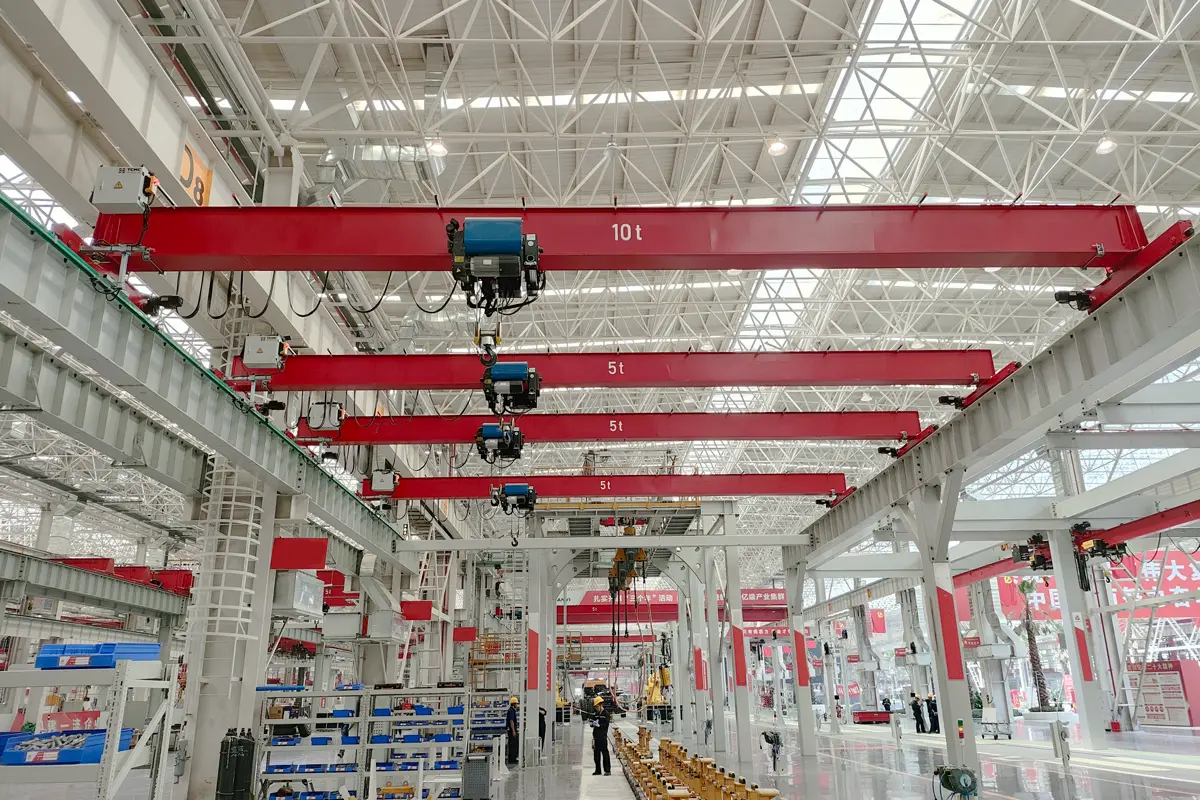
In modern logistics centers and large distribution warehouses, spans are large and operations are fast-paced. Overhead crane covers wide areas and enables rapid, continuous internal handling, improving sorting and transfer efficiency. Integrated with conveyors, automated storage, and warehouse management systems, overhead crane supports efficient and orderly goods circulation.
In manufacturing enterprises, warehousing must closely connect with production lines. Overhead crane enables rapid transfer of raw materials, semi-finished, and finished products between production and storage, reducing waiting and accumulation. Coordinated with production management systems, overhead crane supports precise material scheduling and centralized management, improving overall operational efficiency.
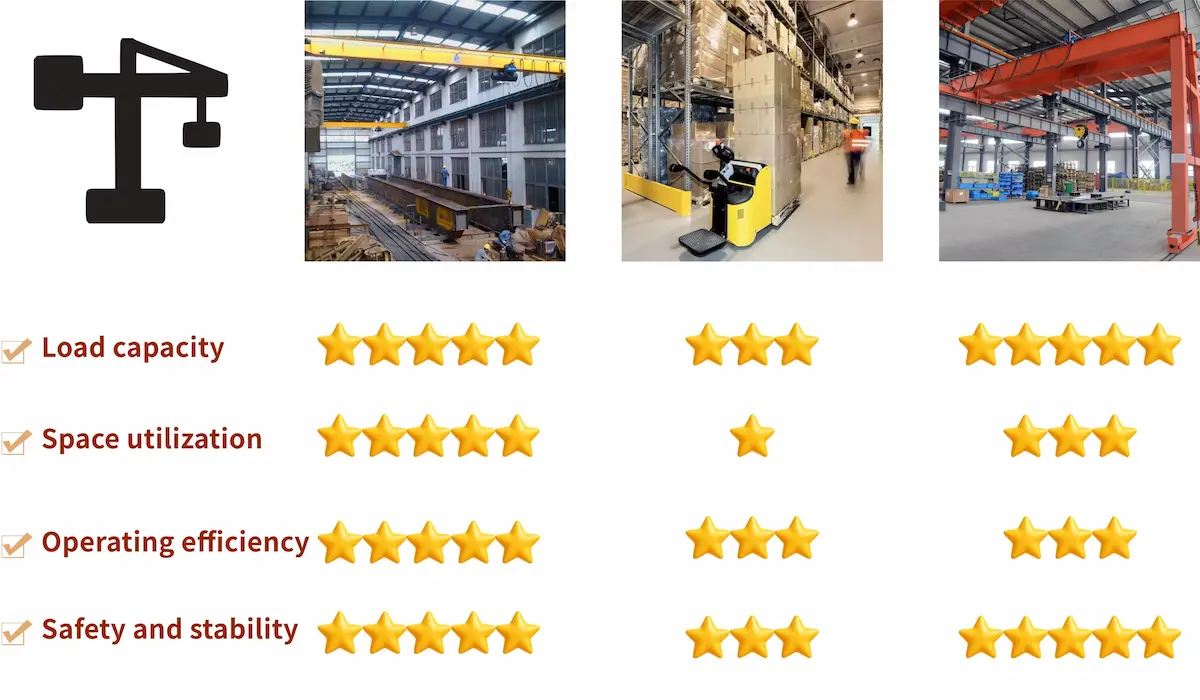
The table below compares overhead crane, forklift, and gantry crane by capacity, space utilization, and automation adaptability.
|
Comparison Dimension |
Overhead Crane |
Forklift |
Gantry Crane |
|
Load capacity |
High, suitable for medium to heavy loads |
Medium to low, vehicle limited |
High, suitable for large heavy loads |
|
Coverage range |
Covers entire warehouse working area |
Local mobile operations |
Mainly outdoor or specific areas |
|
Space utilization |
High, no floor aisle occupation |
Low, occupies floor space |
Medium, occupies ground rails |
|
Operating efficiency |
High, suitable for continuous high-frequency work |
Medium, labor dependent |
Medium |
|
Positioning accuracy |
High, suitable for precise lifting |
Average |
Average |
|
Automation adaptability |
Strong, easy system integration |
Weak, limited automation |
Medium |
|
Applicable warehouse types |
Heavy storage, logistics centers, manufacturing warehouses |
General warehouses, light logistics |
Outdoor yards, temporary areas |
|
Labor dependence |
Low |
High |
Medium |
|
Safety and stability |
High, systematic protections |
Medium, human-factor affected |
High |
In modern logistics systems, overhead crane shows clear advantages in capacity, space utilization, efficiency, and automation. Compared with forklifts, it better supports efficient, automated, and intelligent warehousing development.
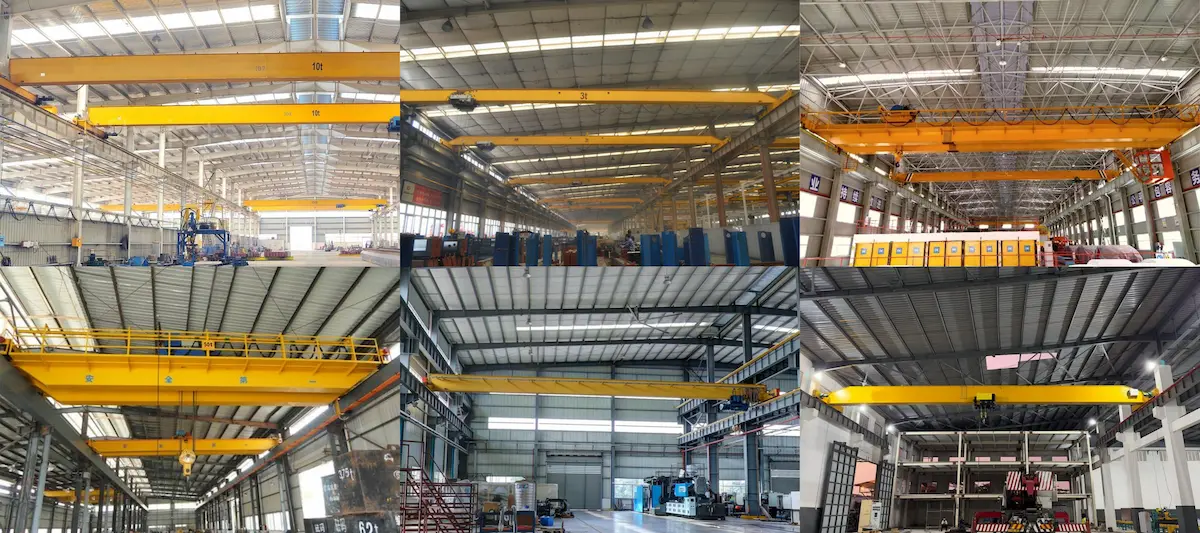
Overhead crane selection should consider load, frequency, span, height, and automation needs. Proper configuration improves efficiency, space utilization, and safety, enabling stable long-term operation.
|
Selection Factor |
Key Considerations |
Recommendation Description |
|
Lifting capacity |
Maximum material weight, single lift demand |
Select by maximum unit weight with safety margin for long-term heavy-duty operation |
|
Operating frequency and duty class |
Daily cycles, continuous operation duration |
High-throughput logistics should choose higher duty class cranes |
|
Span and coverage |
Warehouse width, runway arrangement |
Determine lifting height by storage method to support high-level storage |
|
Travel speed and control |
Cycle time, positioning accuracy |
Choose higher speeds and accuracy to improve efficiency |
|
Automation and intelligence |
WMS and conveyor integration |
Intelligent warehouses should use automatic control and system interfaces |
|
Safety configuration |
Environment and safety regulations |
Select overload, anti-sway, limit, and monitoring protections |
|
Installation and maintenance |
Building structure, maintenance access |
Choose mature structures with convenient maintenance solutions |
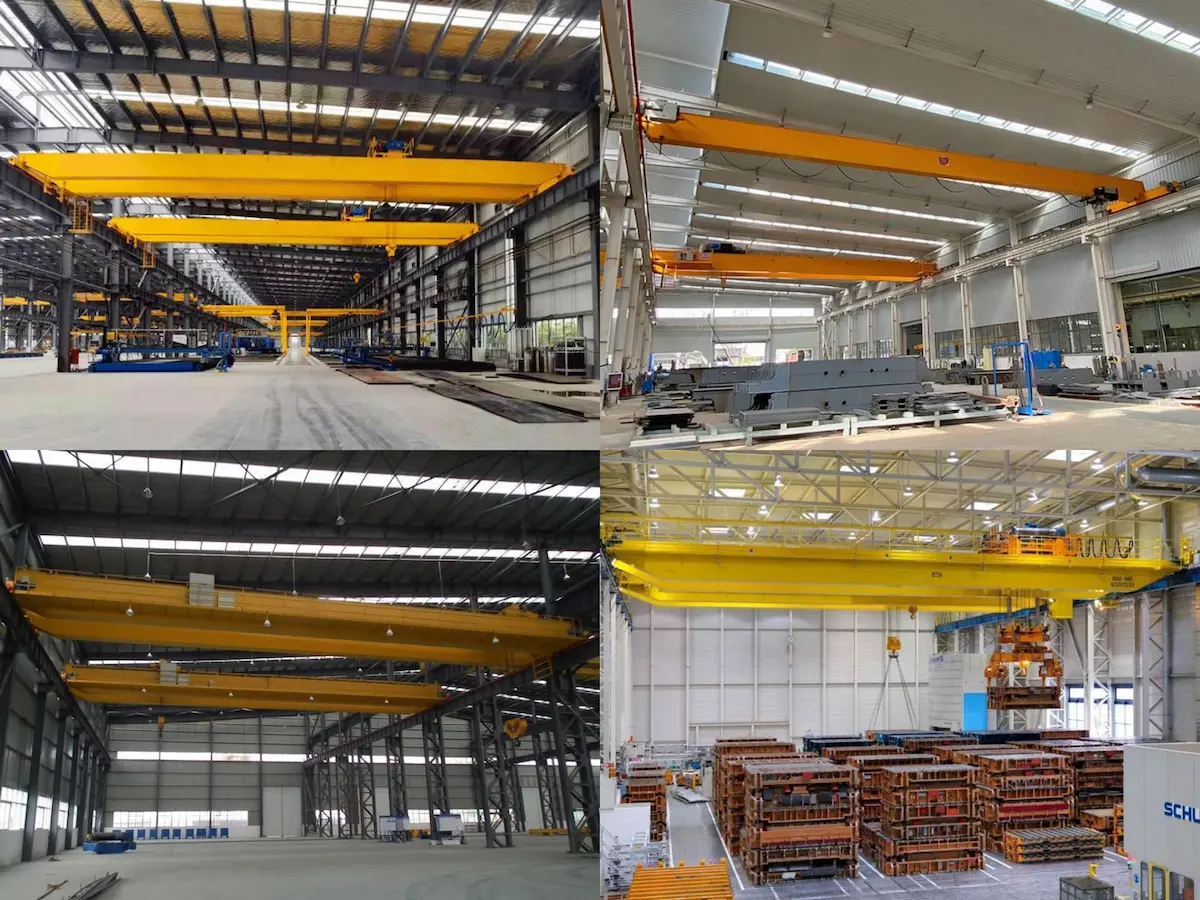
As warehousing logistics systems grow larger, heavier, and smarter, overhead crane has become essential equipment in modern logistics systems. With high capacity, wide coverage, stable operation, and automation integration, overhead cranes improve space utilization, logistics flow, and operational safety. Proper selection and configuration enhance efficiency and support efficient, stable, and sustainable logistics system development.
Contact HSCRANE for customized overhead crane solutions tailored to site conditions, supporting efficient and long-term logistics operations.
Want to understand overhead crane safety and reliability in real operations?
Read “Overhead Crane Load Testing Explained: A Critical Step to Ensure Safe Operation” to learn performance and safety measures under heavy-load, high-frequency operations.
Q1: Which warehousing logistics scenarios are suitable for overhead crane?
A1: Overhead crane suits heavy-duty storage, logistics centers, large-span warehouses, and manufacturing supporting warehouses. It efficiently handles steel, equipment, and components, supports continuous operations, and integrates with automation systems.
Q2: What advantages does overhead crane offer compared with forklifts or gantry cranes?
A2: Overhead crane offers high capacity, wide coverage, stable operation, and strong automation integration. Compared with forklifts and gantry cranes, it improves space utilization and supports high-frequency operations.
Q3: Which factors should be considered when selecting overhead crane?
A3: Consider load weight, duty frequency, warehouse span and height, automation needs, safety configuration, and maintenance convenience.
Q4: Can overhead crane achieve automation and intelligence?
A4: Yes. Modern overhead crane integrates with WMS, conveyors, and automation for programmed operation, remote monitoring, and intelligent scheduling.
Q5: What customization services does HSCRANE overhead crane provide?
A5: HSCRANE overhead crane offers customized span, lifting height, control systems, and safety configurations matched to warehouse structures and logistics workflows.
This document is for reference only. Specific operations must strictly comply with local laws and regulations and equipment manuals.